Gas Conversion Kits

Natural Gas or Propane? Conversion Kits Are Model-Specific

Open Fireplace, More Heat?

Thinking About an Insert? Read These Answers First

An open masonry fireplace sends most of its warmth up the chimney, and plenty of owners wonder whether an insert would change that. If that sounds familiar, read through the answers and then ask about your own flue. Before you buy anything for your home in Chilliwack, it helps to know what the existing chimney can support.
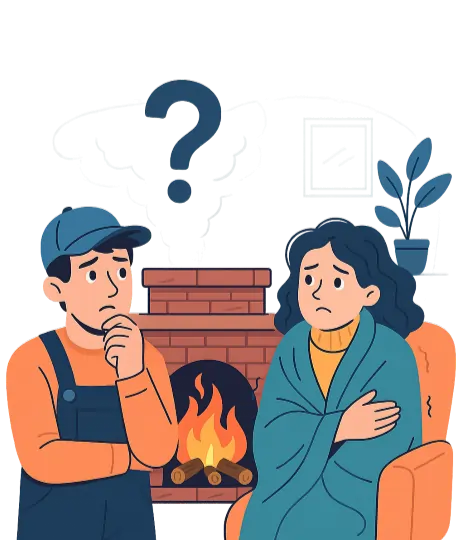
Usually the larger logs are too damp, too big or packed too tightly for air to reach the flame. A closed or partly open damper, or a cold flue that pushes smoke back, can also smother a fire. Add medium splits before large logs, leave gaps for air and check the damper handle. If wood is the issue, dry it under cover for a season, because wood that sizzles or hisses is still wet.

A crack or gap at that joint can be a harmless sealant failure or the first sign of movement. Water entering behind the siding rots the framing, so it should not wait. Compare the gap with earlier photos, and see whether the chimney is moving away from the wall or just the trim is loose. A technician can seal or reflash the area, or send you to a specialist if the stack is moving.

Usually not by itself, but it can accompany real problems. A light dusting after a wet spell is common on newer brick. Heavy, repeated deposits, crumbling mortar or flaking brick faces point to ongoing moisture damage that deserves attention. Take photos over a few weeks so you can see whether it spreads, and mention them when someone inspects the chimney.

Clean out the ash, close the damper and make sure the cap is intact so animals and snow stay out. Brush cobwebs and soot from the firebox and move firewood away from the building, because stacked wood invites pests. If you plug the opening with anything, leave a clear note so nobody lights a fire against a blocked flue. A sweep before you close up leaves a clean flue sitting all winter.

The main difference is moisture. Mild, wet winters mean damp brick, moss on the crown or roof and metal parts that rust sooner, while heavy freezing is less of a worry. Keep the cap and crown in good shape, check metal chase covers and flue pipes for rust and give the chimney a look after the wettest months. Dry, seasoned wood matters too, since damp logs add moisture to an already damp flue.

Many units have timers and programs that are designed to be used, so follow the manual for yours. Keep in mind that the glass and surrounding surfaces become very hot, so the area needs to be clear of toys, blankets and pets. Do not leave a fireplace running while you are away from the house. A working carbon monoxide alarm nearby is also wise.
Thinking About an Insert? Read These Answers First

Need More Answers?

Just ask our crew.

(778) 608-3976 Send a Question

Your Chimney Questions

An address lets us plan travel time and pick a slot that works.