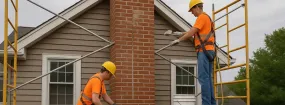
Chimney work comes with its own vocabulary: crowns, chases, flashing, flue liners, dampers and more. You do not need to memorize any of it to make a sound decision, but a little background helps. If you looked up “chimney bricks rotten repair”, the answers here turn the jargon into practical advice for homes in Chilliwack and explain what chimney brick repair actually changes, so your conversation with any contractor feels a lot less like guesswork.
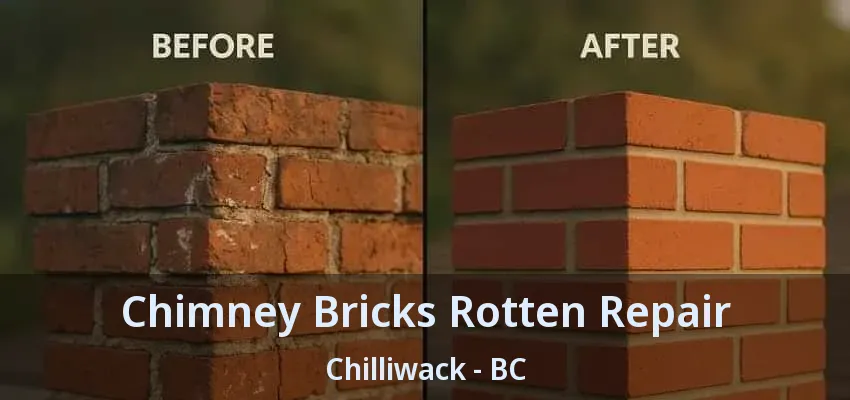
Repairs matter because chimneys tend to fail slowly at first and then expensively. We regularly open up a chimney where a minor issue, such as a missing cap or one cracked mortar joint, was left alone for a few seasons. By then, water has soaked the bricks, rusted the damper or softened the wood framing beside the stack. Work at that stage takes longer and uses far more material. Catching the same fault early usually means a short visit and a modest bill. There is a safety side too, because a damaged flue or liner can let heat and smoke escape where nobody expects them.
Bricks do not rot the way wood does, but the word describes what homeowners see: brick that has turned soft, sandy or flaky, with a face that crumbles at a touch. The cause is usually years of moisture moving in and out of the brick, sometimes combined with freezing, salts or a mortar harder than the brick around it. Underfired or very old bricks are more vulnerable. If your search for “chimney bricks rotten repair” started with a pile of red grit on the roof or the hearth, that powder is the outer layer of the brick wearing away, and the affected units will need replacing.
A chimney needs tuckpointing when its mortar joints are cracked, recessed or crumbling. Look for joints that sit noticeably deeper than the brick face, sandy mortar that could be scratched out with a key, hairline cracks running along the joints and dark voids where mortar has fallen out. Grit collecting on the roof or in the gutter below the chimney is another clue. Binoculars from the ground or a photo taken from a safe window give you a good view without climbing. If more than a few scattered joints look this way, repointing is usually due.
They can if the damage is widespread. A few spalled faces are mostly a weatherproofing issue, but when many bricks lose their strength, the chimney can loosen at the top, shed pieces onto the roof or walkway and eventually lean. Soft bricks inside the firebox or around the flue are a separate concern, because they may let heat reach places it should not. Keep people and pets clear of the area below a chimney that is dropping debris. Anyone looking into “chimney bricks rotten repair” should ask the mason to judge the structure behind the face, not only the surface.
Stains, debris and stiff moving parts inside the house are usually the first signs, long before anything looks wrong from the yard. A water mark on the ceiling beside the chimney, a musty smell when it rains, flakes of tile or mortar in the firebox and a damper that has gone stiff all point to something above. Outside, white chalky deposits on brick tell us water is moving through the masonry, and dark streaks below the cap or chase cover suggest rust. Smoke that hangs at the fireplace opening points to a draft problem. We trace each clue back to its source before suggesting any repair.
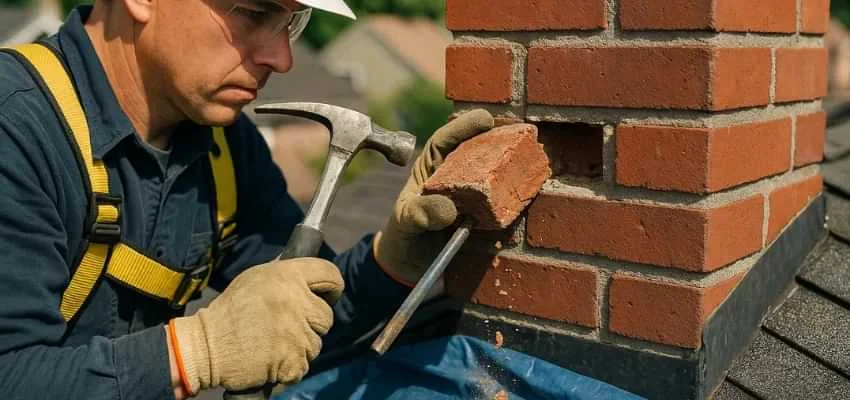
It depends on the part being repaired. Caps, crowns, flashing, upper masonry, chase covers, chimney fans and top-sealing dampers are reached from the roof or from ladders set against the chimney. Throat dampers, fireboxes, ash dumps, cleanout doors and many vent connections are handled from inside the house or at ground level. Roof work is planned around the weather, the pitch of the roof and safe ladder placement. Homeowners should not climb up to inspect or repair a chimney themselves; binoculars from the yard or the technician’s photos will tell you what you need to know.
Anything from a morning to several days, depending on the part, the access and the material. A damper repair or cap swap rarely keeps us past lunch. Flashing and chase covers depend on the roof, so a steep pitch or fragile shingles add hours. Masonry is the slow one, not because the work itself drags but because mortar and crown concrete need dry, mild weather and time to firm up between steps. A full rebuild above the roofline can stretch over several visits. When we quote, we give you a working estimate and tell you plainly what could push it longer, such as hidden damage.
A common guideline is to have a chimney inspected once a year, and many homeowners schedule it before the colder months when the fireplace sees more use. Yearly checks catch small problems such as a loosening cap, a new crack in the crown or a worn mortar joint before they let water in. It also makes sense to have the chimney looked at after a major storm, a chimney fire, a roof replacement or any change of insert, stove or appliance. Chimneys that are rarely used still need checking, because weather damages them whether or not you light fires.
Preparing for chimney repair mostly means clearing access inside and out. Stop using the fireplace or stove at least a day before so the firebox and flue are cool, and move decorations, screens, tools and furniture away from the hearth. Outside, move vehicles, patio furniture, planters and grills away from the side of the house where ladders will go, and unlock any gates. Let the company know about pets, an alarm system or anything fragile near the chimney. If the job involves the attic or basement, such as tracing a leak or emptying an ash pit, clear a path there too.
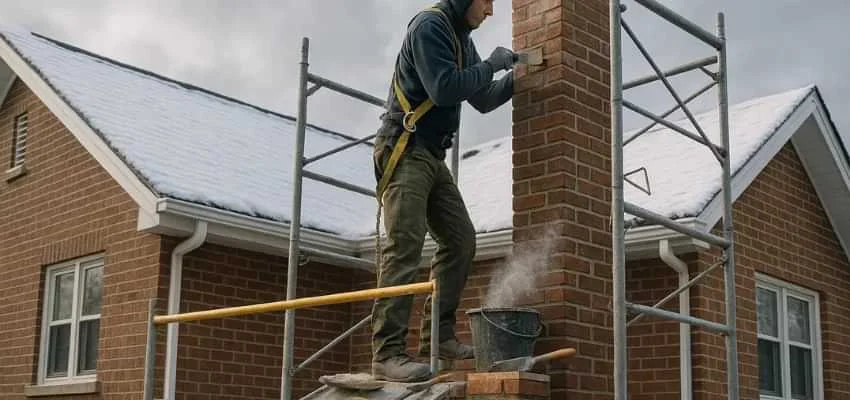
It is easy to forget about the parts of a home you rarely see. Booking chimney brick repair now means one less thing to wonder about later in the year. Request a quote from Chimney Sweep Chilliwack and choose a visit time that fits around your week.
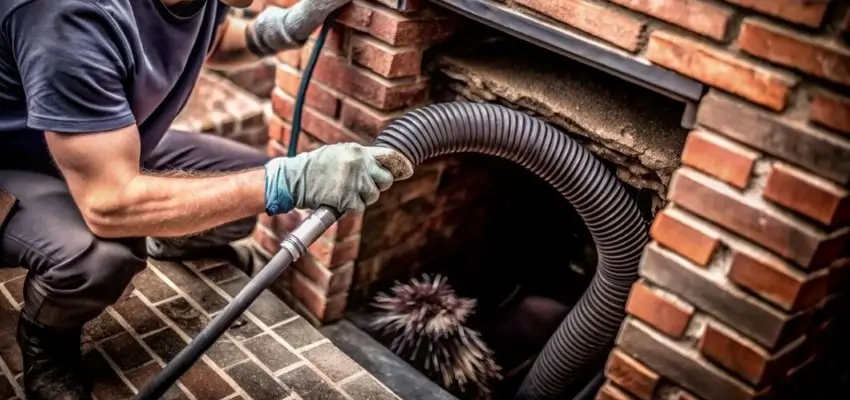
Less smoky smell, steadier flames: Chimney Cleaning around Chilliwack
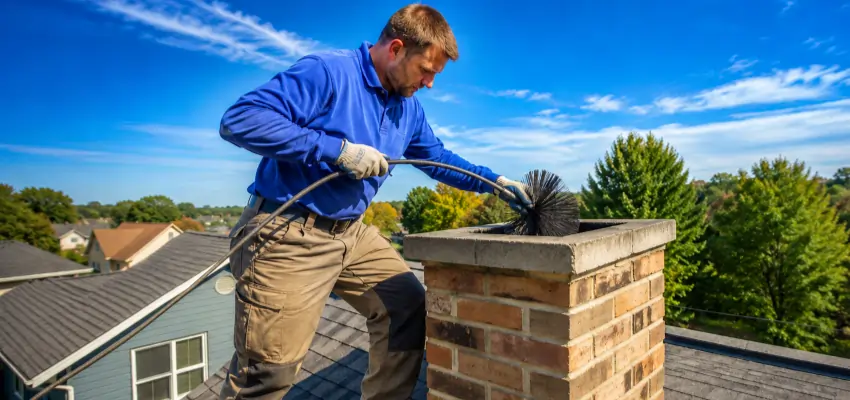
Chimney Sweep visits that leave Chilliwack living rooms clean
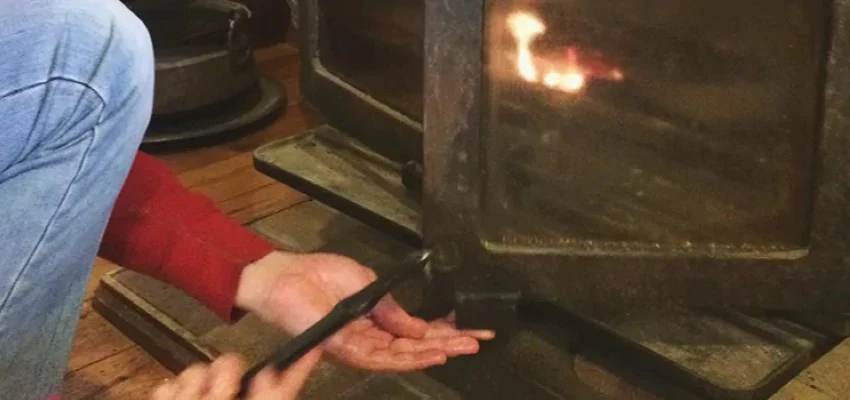
Swept and checked: Chimney Sweep Services in Chilliwack
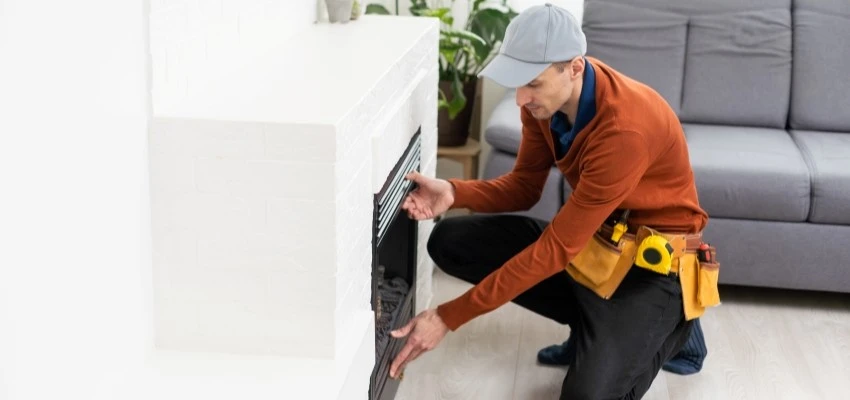
What Fireplace Experts check in your Chilliwack chimney
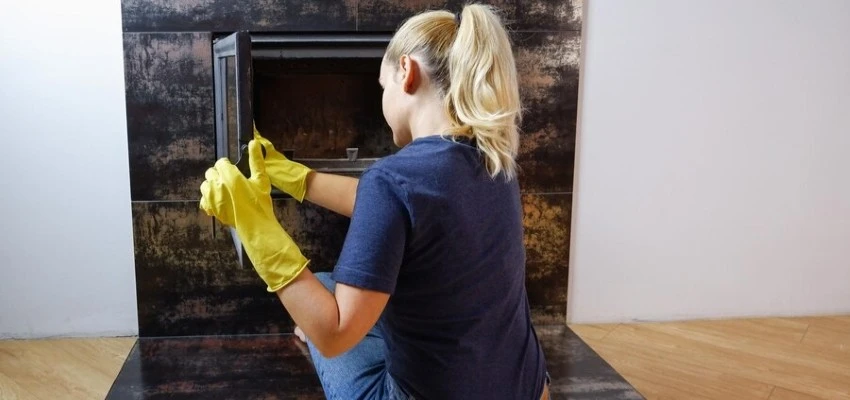
Hazy glass and dusty logs? Gas Fireplace Cleaning in Chilliwack
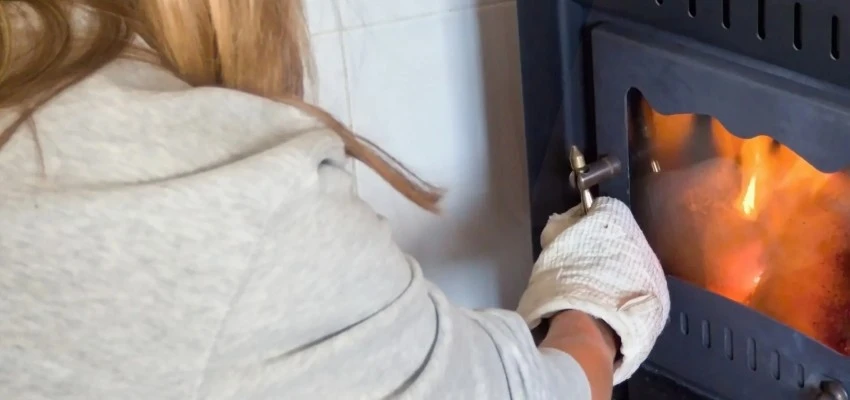
Catch a weak thermocouple early with Gas Fireplace Maintenance