
You do not need a long lecture to make a good decision about your chimney, just clear answers to the right questions. That is what this page aims to give anyone in Chilliwack who looked up “chimney pot services”. Each answer covers one part of chimney pot service, from basics and warning signs to preparation, aftercare and choosing who should do the work. Start wherever your own question begins.
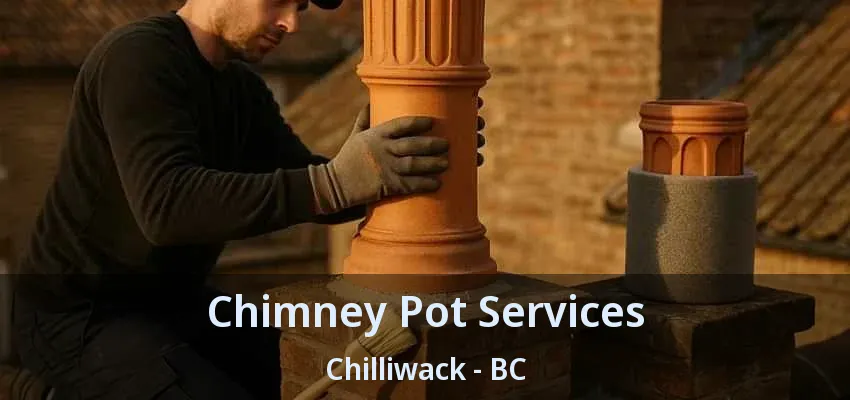
A chimney works by letting hot exhaust rise through a sealed channel, the flue, and leave the house above the roofline. Warm gases are lighter than the cooler air outside, so they rise, and that rising column pulls fresh air into the fire behind it. This pull is called draft. Height helps, because a taller flue creates a stronger pull and clears nearby roof surfaces. Size matters too: a flue that is too large for the appliance cools the gases and weakens draft, while one that is too small cannot carry all the exhaust. Anything that blocks or leaks along the path disrupts the balance.
From the ground, look for a pot that leans, sits crooked on the chimney or has visible cracks, chips or missing pieces. Mortar crumbling around its base, bits of terracotta in the gutter or on the roof and a rattling sound on windy days are other clues. Inside, rain or debris in the fireplace can mean the pot’s guard or the crown below it has failed. A loose pot is a falling hazard, so keep people away from the area beneath it. If you are looking into “chimney pot services” because of any of these signs, ask for the crown and flue tile to be checked as well.
An inspection should come first because it shows whether the planned work is the right work. A technician looks at the chimney from top to bottom, often with a camera inside the flue, and checks for hidden cracks, blockages, water damage and any mismatch between the flue and the appliance. Sometimes the inspection confirms the plan; sometimes it reveals that a leak comes from somewhere else or that a liner needs attention before anything cosmetic is done. Ask for photos or video and a short written summary so you can compare options with confidence.
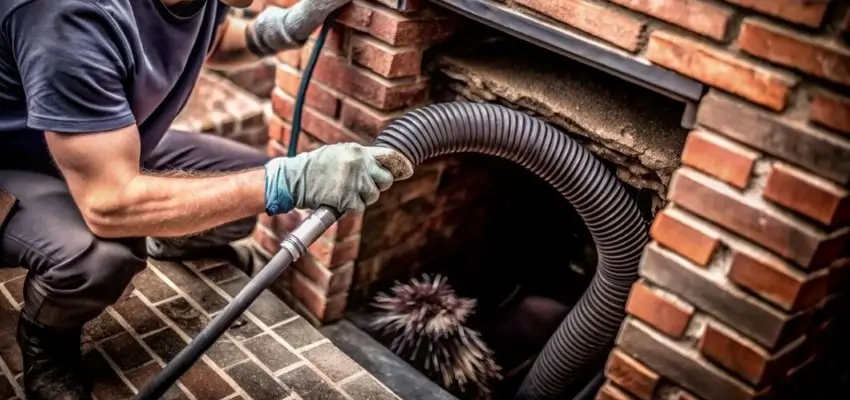
With heavy cloths, sealed openings and proper vacuums inside, and tarps and padding outside; mess control is part of the job, not an afterthought. Before we touch the chimney, we lay cloths in front of the fireplace and, when the work involves the flue, tape plastic across the opening so soot stays on our side. Our vacuums are built for fine dust, not household lint. On the roof, materials sit on tarps or boards so shingles are not scuffed. The messiest jobs break out old tiles or brick; for those, we warn you in advance and plan the clean-up accordingly.
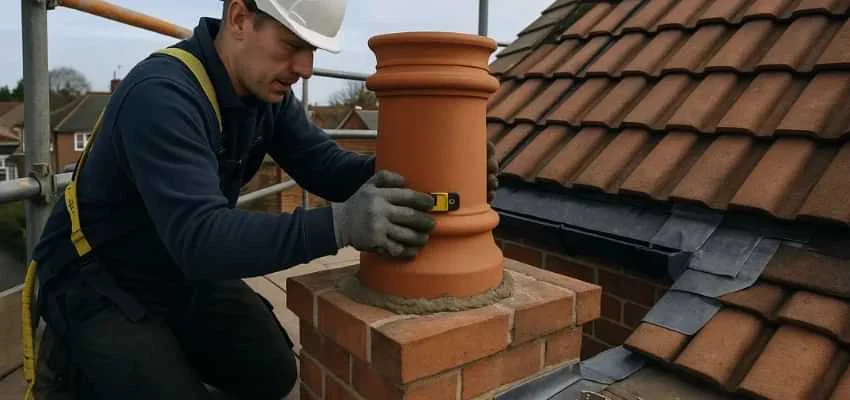
Often they are, especially on older homes where the pots are part of the original look. A sound clay pot with minor chips can usually be cleaned, reset in fresh mortar and fitted with a proper guard. Pots with deep cracks, spalled surfaces or missing sections are harder to save and may be safer to replace with a matching reproduction. Salvaged pots are another option for a close match. People who search for “chimney pot services” for an older home should ask whether restoring, matching or replacing makes more sense for each pot, and why.
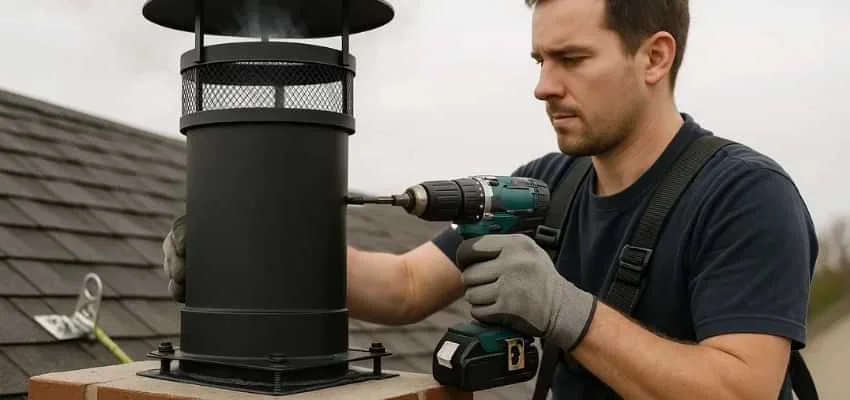
We recommend once a year for most homes and treat it like any other seasonal service. The yearly visit lets us see how repairs, repellents, pots or new liners are holding up and catch small issues while they are cheap to fix. We suggest an extra look after high winds, hail or lightning nearby, after any chimney fire and when an appliance is added or swapped. Homes that burn a lot of wood may need sweeping more than once a season. Keeping a simple log of dates and findings makes it easy to spot trends over time.
Tell the company what the chimney is made of, what it serves and what you want done or have noticed. Mention the type of fireplace or appliance, how many stories the house has, how steep the roof is and whether the chimney is brick, stone or a framed chase. Share any history: past repairs, a chimney fire, recent roof work or a new appliance. A few photos of the chimney from the yard and of the fireplace help a lot. These details let the company bring the right parts and give you a realistic estimate.
Follow the crew’s instructions about when the fireplace or stove can be used again, since new mortar, coatings or liners may need time. In the weeks after, watch for any stains, drafts or smoke that seem new. Keep the area around the chimney top clear by trimming branches and cleaning nearby gutters. If you burn wood, use dry, seasoned firewood and have the flue swept regularly, which protects liners and tiles. Book a yearly inspection, and keep receipts and photos from the work so future technicians know what was done.
We would hire the company that asks the most useful questions. A contractor who knows chimneys wants to know the material, the height, the appliances and the history before naming a figure. On site, it should go up, look inside the flue and come back with photos. It should tell you what it will not do as clearly as what it will. Ask how it handles surprises mid-job and who will be on the roof. Companies that work in your area every week can also tell you what tends to fail on homes like yours, which is useful insight in itself.
Tell us your address in Chilliwack, what you have noticed and when you are usually home. That is all we need to plan chimney pot service around your schedule. Send the details and the Chimney Sweep Chilliwack team will reply with options and a price.
Less smoky smell, steadier flames: Chimney Cleaning around Chilliwack
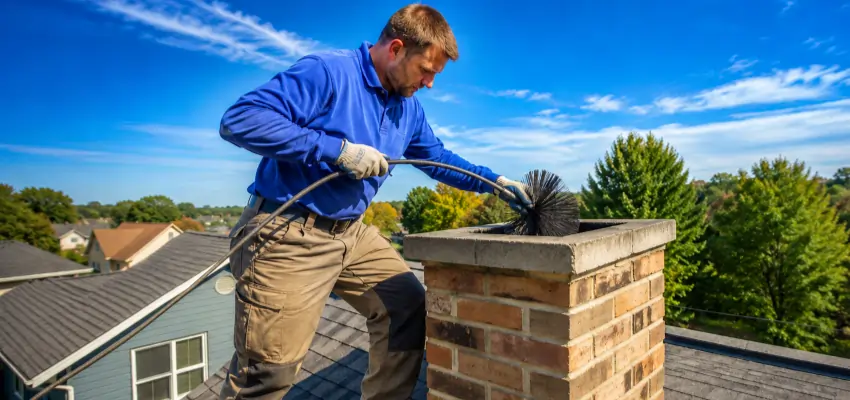
Chimney Sweep visits that leave Chilliwack living rooms clean
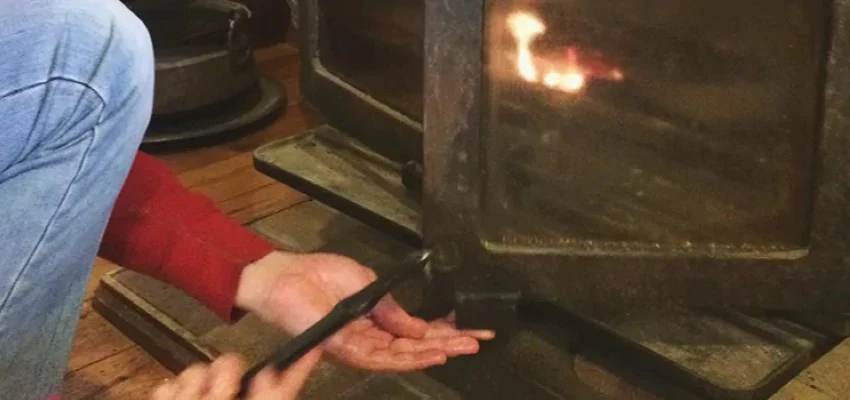
Swept and checked: Chimney Sweep Services in Chilliwack
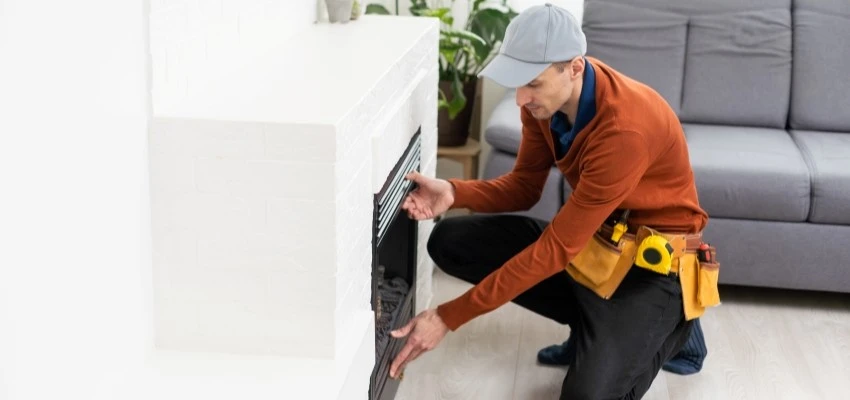
What Fireplace Experts check in your Chilliwack chimney
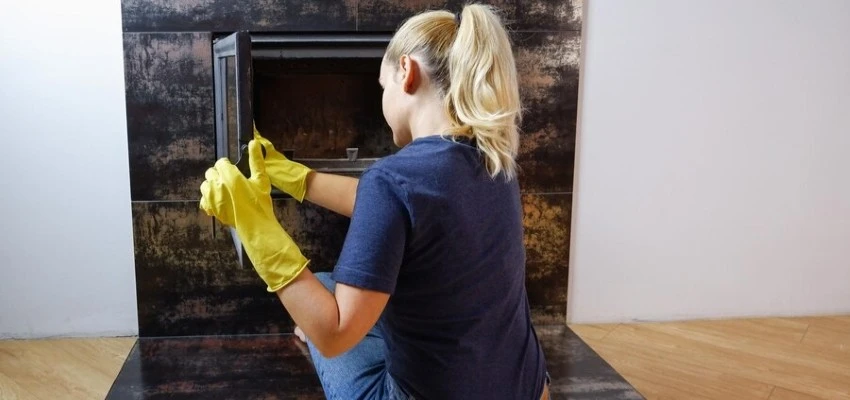
Hazy glass and dusty logs? Gas Fireplace Cleaning in Chilliwack
Catch a weak thermocouple early with Gas Fireplace Maintenance

