
A chimney has to cope with two hard jobs at once: weather on the outside, and heat and exhaust on the inside. Most specialty chimney work comes down to helping it do one or both of those jobs better. For anyone in Chilliwack researching “chimney saver”, this page walks through chimney waterproofing step by step, from the first signs that something is needed to the care that keeps the result in good shape.

Work that affects the inside of a chimney, such as flues, liners, dampers or appliance venting, belongs with a chimney specialist, while a roofer is the right call for the shingles around it. Chimney technicians understand draft, heat and the clearances that keep nearby wood safe, and they have the tools to inspect a flue with a camera. Many jobs sit on the border, like flashing or the part of the chimney above the roofline, and either trade may handle them. When in doubt, ask how the company would check the flue and the chimney top, not only the outside.
The phrase is used both ways. It is the name of a commercial masonry water repellent, and many people also use it loosely for any waterproofing applied to a chimney. Either way, what matters is the type of product rather than the label: a breathable, penetrating repellent made for brick and mortar, applied after repairs on a clean, dry surface. A company offering chimney waterproofing should tell you which product it plans to use, why it suits your masonry and how long it typically lasts. That way you know exactly what is going on your chimney and when it will need another coat.
Signs fall into three groups, and the second one is the most urgent. Water clues: stains, a musty smell after rain, bricks that stay dark long after a storm. Heat and smoke clues: draft that has weakened, smoke in the room, an odor in the walls beside the flue, a chimney fire you heard roar. Structural clues: a loose pot, cracked tiles dropping into the firebox, a top that looks out of line. Any of these is reason enough for a closer look, and with heat and smoke clues the appliance should stay cold until the chimney has been checked.
Watch how the brick behaves when it rains. If sections stay dark long after a storm, if white powdery deposits keep appearing on the face or if bricks near the top are flaking, the masonry is absorbing more water than it should. Damp patches or a musty smell inside near the chimney point the same way. A quick test is to spray a little water on dry brick: if it soaks in almost immediately, the surface has little protection left. These signs also call for checking the crown, cap and flashing, so chimney waterproofing is usually part of a wider plan.
Our days follow a pattern: walk-through, setup, work, check, clean-up. The walk-through is a quick conversation to confirm what we are doing and flag anything new. Setup means floor protection, ladder placement and any roof anchors. The work itself varies with the job, from fitting a pot to lowering a liner or applying a repellent. The check is where we test what we built, whether by running a smoke test, watching water bead or confirming a part is secure. Clean-up leaves the hearth and yard the way we found them, and then we show you photos from the roof.

Anywhere from a short visit to several days, and we plan it around the size of the job, the access and the materials. A repellent on a dry, accessible chimney or a single pot swap is quick. A new liner or a prefab chimney through a finished ceiling and roof usually fills a day. A remodel that changes the height or face of a masonry chimney is measured in days, partly because new work has to cure before the next layer goes on. We also watch the forecast, since rain and frost decide when masonry and coatings can be done well.
Share the chimney’s material and height, the appliances it serves and your goal, because the more we know before arriving, the more useful the first visit is. Photos taken from the ground, along with one of the fireplace or stove and any nameplate on it, often tell us which parts may be needed. If a home inspection report or an earlier quote mentions the chimney, send that too. We would rather spend five minutes on the phone than make a second trip for a part we could have brought the first time, and you get a firmer estimate sooner.
Burn dry wood, keep the top clear and book a yearly check; most of what keeps new chimney work in shape happens between our visits. Seasoned logs keep creosote down and protect liners and flue tiles. A cap or pot that stays clear lets the chimney draft properly. Water is the long-term enemy, so the crown, flashing and any repellent are worth a glance after big storms. We leave written notes on what we did and what to watch for. Homeowners who follow that routine rarely call us back for the same problem.
A complete quote names the materials, sizes and steps, and when homeowners show us other offers, the gaps are usually in scope rather than price. One lists a stainless liner with insulation; another says just “liner.” One includes a new crown under the pot; another assumes the old one is fine. Check that each quote says who handles permits if any are needed and explains the plan for surprises. Then ask every company the same three questions: what is included, what is excluded and what could change the price. The answers reveal which offer really fits your chimney.

We know most people are juggling work, family and errands. Let us know which days and times are easiest and we will try to match them. Choose a time for chimney waterproofing and the Chimney Sweep Chilliwack team will confirm it with you.
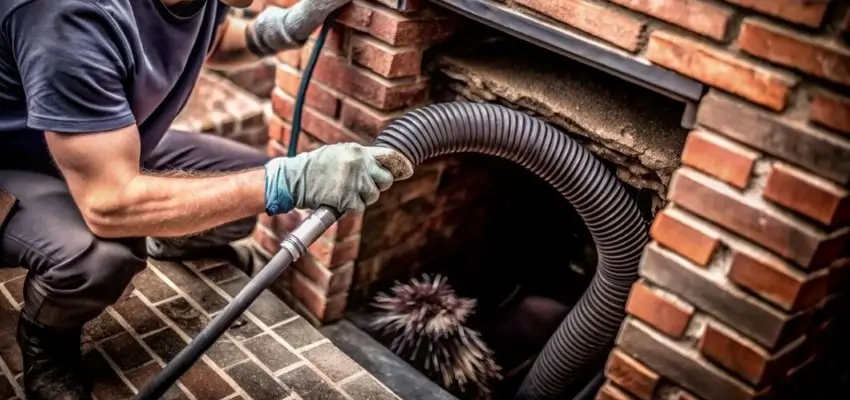
Less smoky smell, steadier flames: Chimney Cleaning around Chilliwack

Chimney Sweep visits that leave Chilliwack living rooms clean
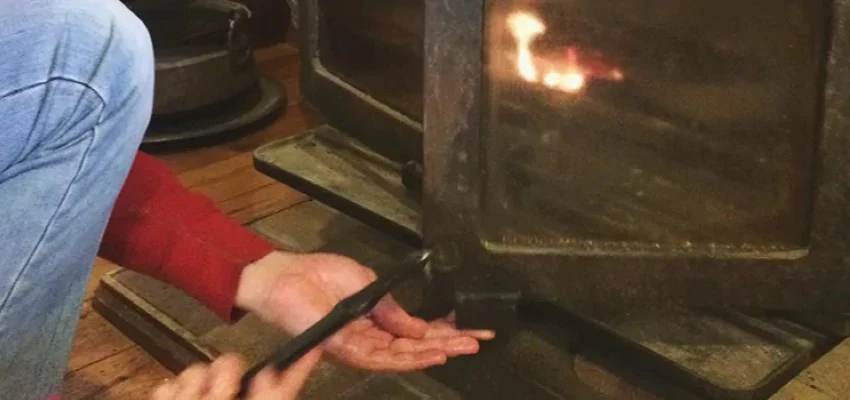
Swept and checked: Chimney Sweep Services in Chilliwack
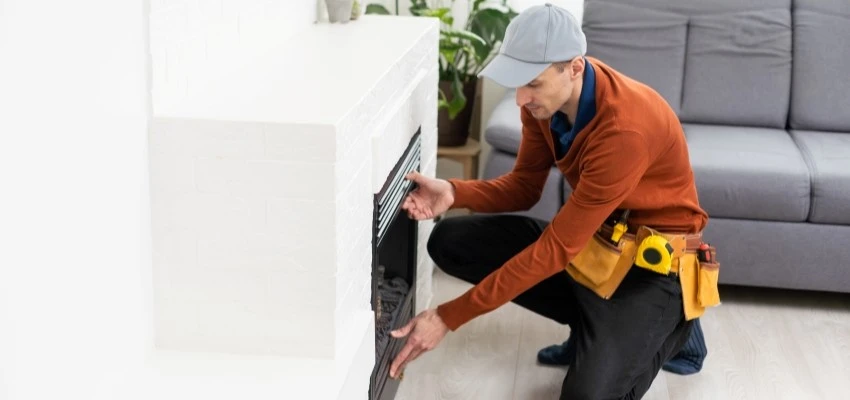
What Fireplace Experts check in your Chilliwack chimney
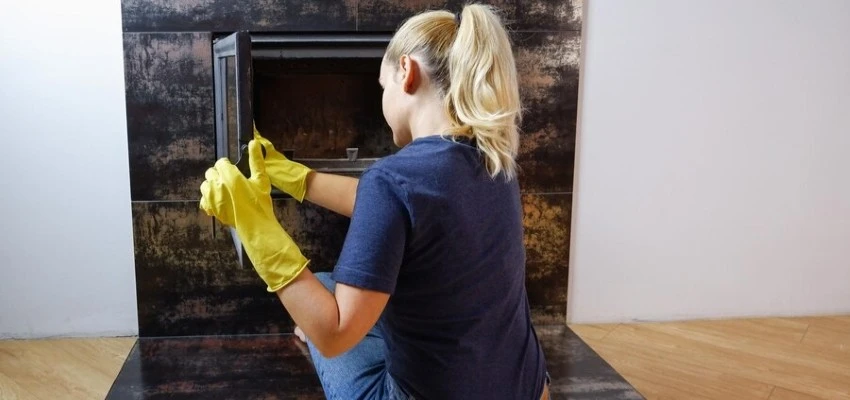
Hazy glass and dusty logs? Gas Fireplace Cleaning in Chilliwack
Catch a weak thermocouple early with Gas Fireplace Maintenance

