
Heating season has a way of arriving all at once, and so do the calls to chimney companies. Reading up early, as you are doing by searching “chimney sweep”, gives you time to plan instead of scramble. Here are clear, practical answers about chimney cleaning for properties around Chilliwack, each one short enough to read before you pick up the phone and specific enough to be useful once you do.

Soot and creosote are different deposits: soot is a dry, powdery carbon dust, while creosote is a tarry residue from wood smoke that can be flaky, sticky or glassy. Soot comes from incomplete burning and can be left by wood, oil or a gas appliance that is not running cleanly. It is lighter and brushes away easily, but it still narrows the flue and can hold moisture and odors. Creosote is the bigger fire concern because of its oily base. Seen from the firebox, soot looks like fine black powder, while creosote looks crusty, shiny or tar-like. A technician adjusts the cleaning to match.
Yes, newer construction has not made sweeping unnecessary. Factory-built fireplaces, high-efficiency wood stoves and inserts still produce creosote, and their metal flues need cleaning and checking just like masonry ones. Some modern stoves burn cleaner, which helps, but how they are used matters more than how new they are. Gas units leave far less residue yet still depend on a clear, intact vent. Whatever the age of your home, a periodic visit keeps the system working as designed and catches wear before it turns into a repair, so a search for “chimney sweep” makes sense even in a brand-new house.
Smoke spills in when the draft is weaker than the push of the fire, and we usually trace it to one of a few causes. In tight, well-sealed houses, exhaust fans and dryers create enough suction that the chimney becomes an air intake instead of an exhaust. Short chimneys, nearby trees or a taller roofline beside the stack can disturb the airflow at the top. Inside the flue, heavy creosote, a nest or fallen debris narrows the path. Sometimes the fireplace opening is simply too large for the flue. Finding which one applies takes a look from both ends, and the fix ranges from a habit change to a repair.
A camera earns its place on almost every visit, because the inside of a flue is the one part of a chimney nobody can see directly, and most serious problems start there. The camera head rides up on a rod with its own light, and the screen shows each joint and tile in turn. That is how we find the hairline crack two thirds of the way up, the liner section that slipped after a storm, or creosote packed above a bend in a stovepipe. Recording it matters too: when we recommend a repair, the footage lets the owner see exactly what we saw rather than taking our word for it.
The kit is more varied than most people expect. Flexible rods join together to reach the full height of the flue, with brushes in wire or poly to suit clay tile or stainless steel. Rotary systems spin cleaning heads for stubborn deposits. A strong vacuum with fine filtration keeps soot out of the room, and drop cloths protect the floor. For checking condition, sweeps carry flashlights, mirrors and often a camera on a cable. Ladders, roof anchors and harnesses round it out. When a search for “chimney sweep” leads you to a company, ask what each tool is for; a well-equipped crew can explain it in a sentence.

Hardened, glazed creosote is usually removed with rotary tools that scrape the flue wall, with chemical products that soften it over several fires, or with both, because an ordinary brush simply slides over its glassy surface. It forms when cool, smoky fires leave layer after layer of tar that bakes hard. Removal often takes more than one visit, and you may be asked to burn a few fires after a chemical application before the technician returns to finish. Sometimes the glaze is so thick, or the liner so damaged beneath it, that replacing the liner is the more sensible option. Ask for photos before and after.
A standard chimney sweep usually takes about an hour to an hour and a half for a single flue. Expect more time if there are several flues, if a stove or insert has to be disconnected, if the roof is steep or high, or if the buildup is heavy or glazed. A camera inspection or a written report adds a little more. Plan to be available for the whole visit and for a short conversation at the end, when the technician explains what was found. If your day is tight, describe your setup when booking so the company can give you a realistic window.
Preparing for a chimney visit mostly means letting the fireplace or stove cool and clearing space around it. Skip fires for at least a day beforehand so the ashes and flue are cold. Move furniture, rugs, screens and decorations a few feet back from the hearth, and take fragile items off the mantel. Outside, make sure the technician can reach the roof: unlock gates, move vehicles away from the walls where a ladder may go and keep pets indoors. Note anything unusual you have noticed, such as smells, sounds or smoke, and have the date of the last cleaning handy if you know it.
We recommend CO alarms on every floor of every home we work in, including one near the bedrooms, because a chimney is a safety system and alarms are its backup. Even a well-swept flue can be blocked overnight by a nest or a fallen tile, and a fireplace can spill fumes when exhaust fans pull against it. We also suggest a smoke alarm in or near the room with the fireplace or stove, placed as its maker directs rather than right above the hearth, and a fire extinguisher within reach. If your alarms are older than anyone can remember, replacing them is a small job with a large payoff.

Kids, pets and work schedules all matter when someone visits your home. Let us know what to work around and we will plan the appointment to match. Choose a time for chimney cleaning anywhere in Chilliwack.
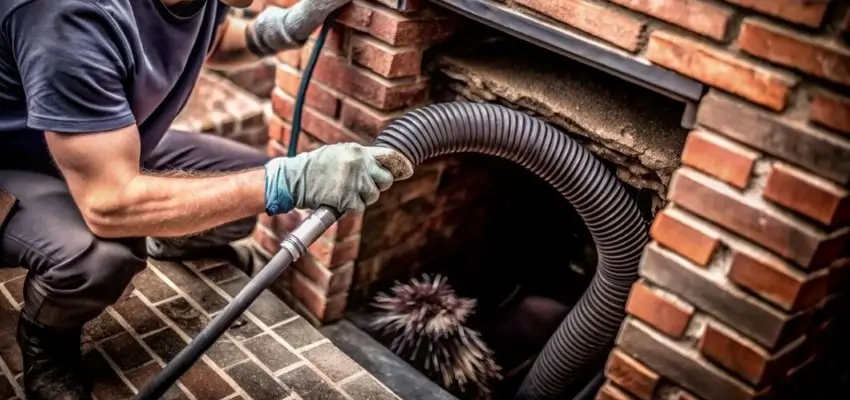
Less smoky smell, steadier flames: Chimney Cleaning around Chilliwack
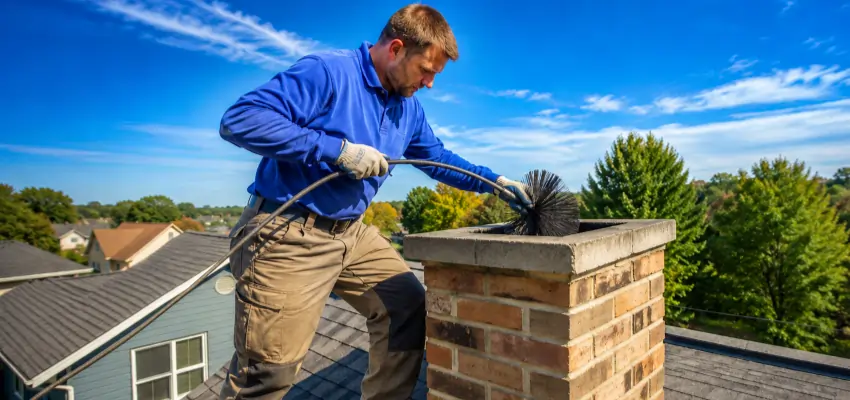
Chimney Sweep visits that leave Chilliwack living rooms clean
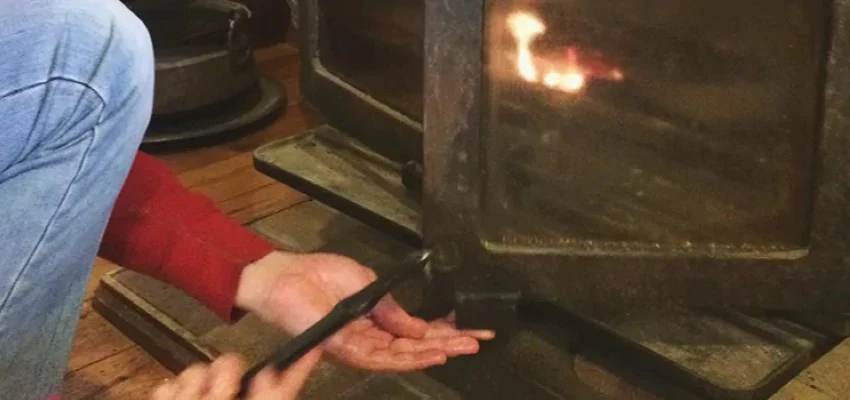
Swept and checked: Chimney Sweep Services in Chilliwack
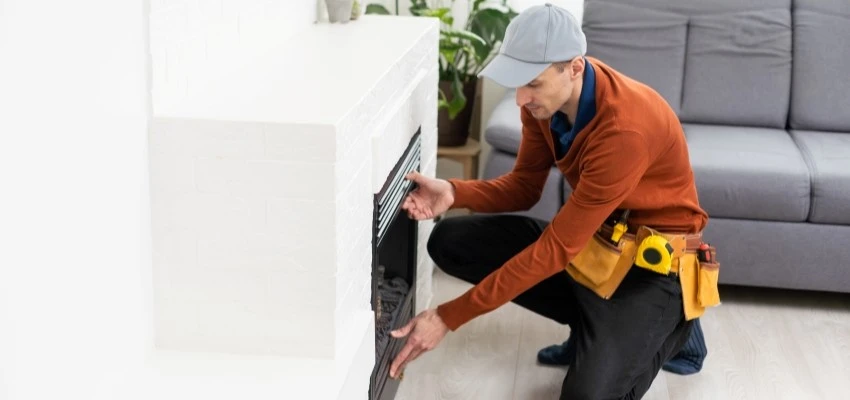
What Fireplace Experts check in your Chilliwack chimney
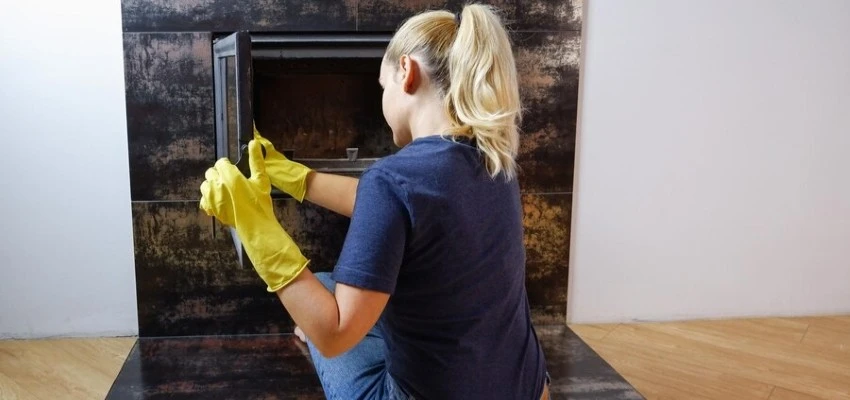
Hazy glass and dusty logs? Gas Fireplace Cleaning in Chilliwack
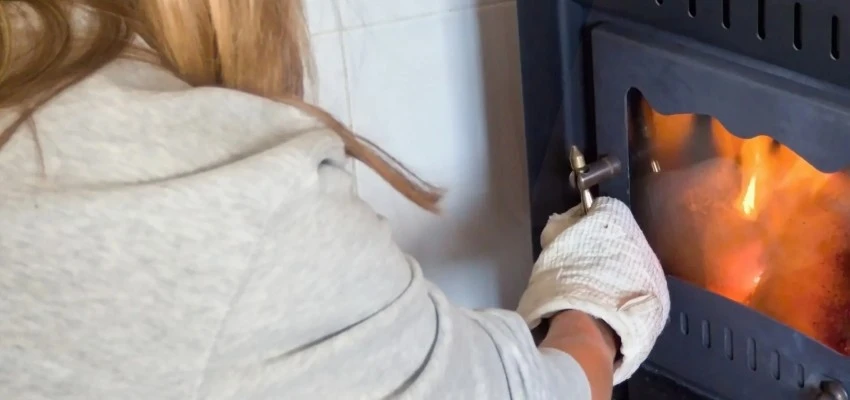
Catch a weak thermocouple early with Gas Fireplace Maintenance

