
Chimney work comes with its own vocabulary: crowns, chases, flashing, flue liners, dampers and more. You do not need to memorize any of it to make a sound decision, but a little background helps. If you looked up “chimney tuckpointing”, the answers here turn the jargon into practical advice for homes in Chilliwack and explain what mortar joint repointing actually changes, so your conversation with any contractor feels a lot less like guesswork.

It depends on the damage, so the safe default is to hold off until someone has looked at it. Cosmetic problems on the outside, such as a stained brick face, rarely affect how a fireplace works. Damage inside the flue, a cracked liner, a damper stuck shut or a blocked vent is different, because smoke and hot gases may not leave the house the way they should. If you notice smoke spilling into the room, a strong smell or soot where there was none before, stop using the fireplace. Keep working carbon monoxide alarms on every level of the home either way.
Chimney repair is important because a chimney has two jobs that both depend on it being sound: carrying smoke and combustion gases out of the house, and keeping rain and snow out of the structure. A cracked crown, a loose cap or a failing seal lets water into the masonry, the roof framing and the walls around the fireplace, and that kind of damage spreads quietly. A fault inside the flue can let heat or gases reach places they should not. A fireplace that still lights is no proof that everything is fine, so it pays to fix small problems while they are still small and inexpensive.
A chimney’s parts fall into three groups: the weatherproofing outside, the flue liner inside and the working parts at the bottom. Weatherproofing means the cap, the crown, the flashing and the face of the bricks and mortar. The liner is the channel that handles heat and corrosive exhaust. Down at hearth level are the pieces people actually touch, such as the damper handle, the firebox walls and the ash dump door. On a prefab system, a framed chase and its sheet metal top replace the brick. When we diagnose a problem, we trace it to one of these groups first, because that decides what the fix looks like.
A chimney needs tuckpointing when its mortar joints are cracked, recessed or crumbling. Look for joints that sit noticeably deeper than the brick face, sandy mortar that could be scratched out with a key, hairline cracks running along the joints and dark voids where mortar has fallen out. Grit collecting on the roof or in the gutter below the chimney is another clue. Binoculars from the ground or a photo taken from a safe window give you a good view without climbing. If more than a few scattered joints look this way, repointing is usually due.
Chimney tuckpointing is done in three stages: removing the damaged mortar, filling the joints with fresh mortar and finishing them to shed water. Old mortar is cut out with a grinder or chisel to an even depth, a common guideline being about twice the width of the joint, and the dust is cleaned away. New mortar, matched in strength and color to the original, is packed in layers so each one firms up before the next. Masons often mix small test batches and let them dry, because wet mortar looks darker. Finally, the joints are tooled to match the rest of the chimney.

The main tools are an angle grinder with a diamond blade or a mortar-raking attachment to cut out old joints, plugging chisels and a hammer for detail work, a stiff brush or compressed air to clear the dust, and narrow pointing trowels to pack fresh mortar in. A jointer or striking tool shapes the finished joint to match the original profile. Masons use dust control and protection for the roof and windows, since grinding throws fine dust. Mortar is mixed in small batches so it stays workable. Seeing the right tools on site is a good sign your mortar joint repointing will be done carefully.
Well-done tuckpointing typically lasts many years, often decades, before the joints need attention again. How long it holds depends on the mortar mix, the quality of the work, the weather the chimney faces and whether the water problems above it were fixed. A chimney with a sound crown, a good cap and working flashing keeps its new mortar far longer than one where water still pours over the top. Sides that catch driving rain or repeated freezing wear faster. A yearly look at the joints lets you repoint small areas as they wear instead of redoing the whole chimney.
A clear hearth, a cold fireplace and room for a ladder cover most of what we need. We lay drop cloths in front of the fireplace, so a few feet of open floor helps, and glass doors or screens may need to come off. Outside, our ladders go on firm, level ground near the chimney; parked cars, garden beds and stored items in that spot slow the setup. We also like to know where the attic hatch or basement access is if the repair could involve them. Pets are happier in a closed room, since we will be going in and out of doors often.
At first they may, even when the color is well matched. Fresh mortar usually dries lighter or darker than old, weathered joints, and it can take months of sun and rain before the difference softens. Matching the sand color and the joint shape matters more than the cement, so ask to see a dried sample. Repointing a whole face of the chimney, rather than scattered joints, gives a more even look. If appearance is important to you, discuss it before the “chimney tuckpointing” work starts so expectations are set from the beginning.

The weeks before heavy use are the calmest time to deal with your chimney. Appointments are easier to find and any repair can be planned without pressure. Book mortar joint repointing in Chilliwack while your calendar still has room.
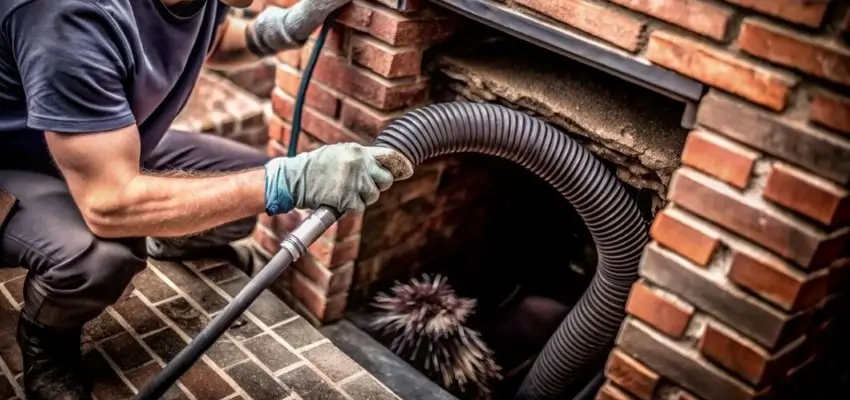
Less smoky smell, steadier flames: Chimney Cleaning around Chilliwack
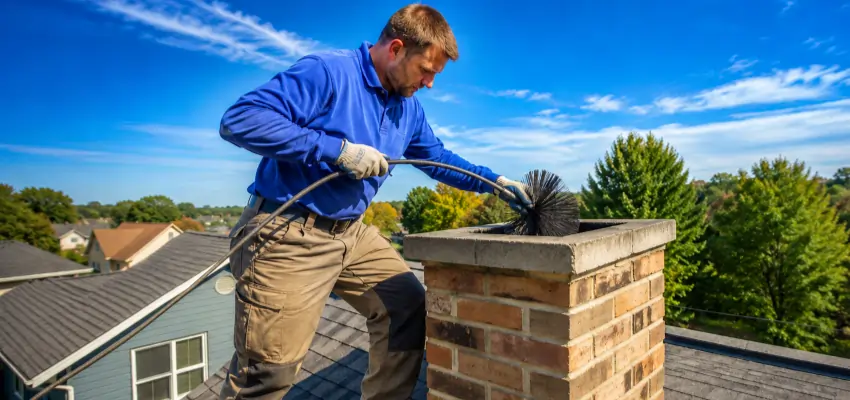
Chimney Sweep visits that leave Chilliwack living rooms clean
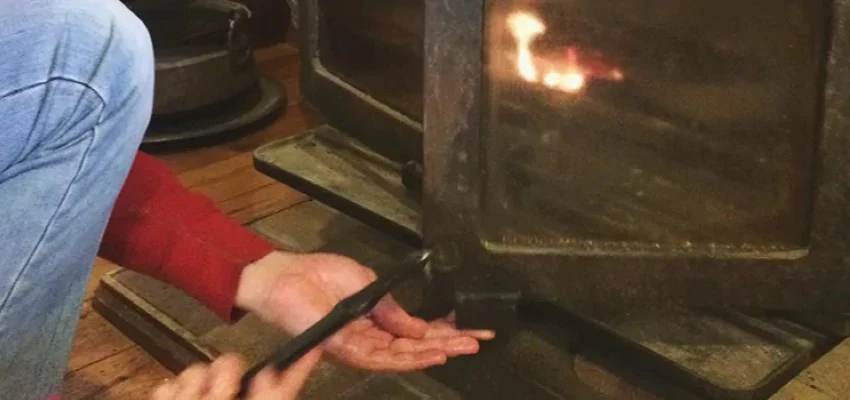
Swept and checked: Chimney Sweep Services in Chilliwack
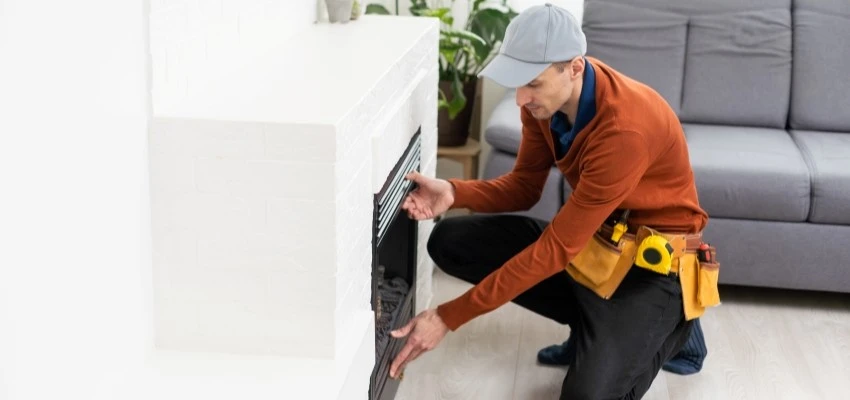
What Fireplace Experts check in your Chilliwack chimney
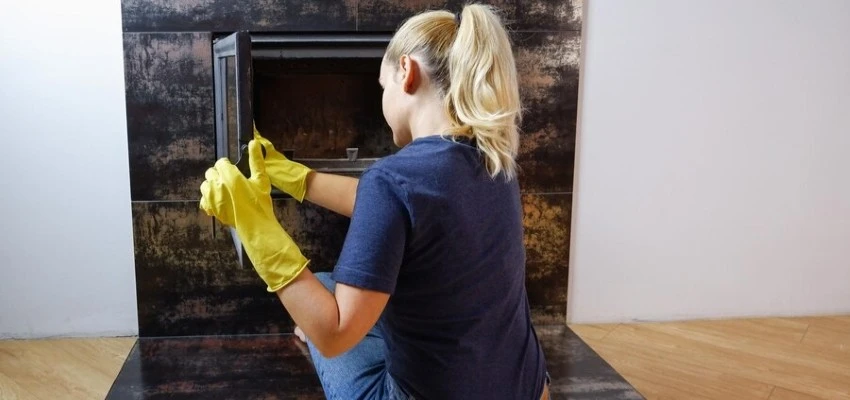
Hazy glass and dusty logs? Gas Fireplace Cleaning in Chilliwack
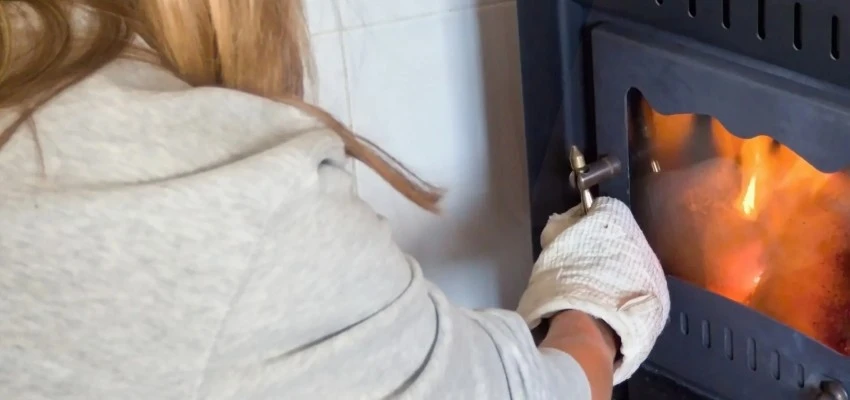
Catch a weak thermocouple early with Gas Fireplace Maintenance

