
A chimney does its work out of sight, carrying smoke and combustion gases up and away while most of its inner surfaces stay hidden behind brick, metal or drywall. That is why so many questions come up once someone starts looking into “commercial chimney services”. Below, you will find direct answers about commercial chimney care for properties in Chilliwack, written by people who spend their days on roofs and at hearths. There is no jargon here and no pressure, just the practical side of the job.
Commercial chimney services usually cover sweeping, inspection and routine upkeep of every flue that serves a business, from wood-fired ovens and hotel fireplaces to boiler and furnace chimneys. Apartment and condo buildings with many fireplaces, places of worship, schools and offices in Chilliwack fall into the same category. A typical service includes cleaning, a camera check of each flue, cap and damper checks and a written summary of the findings. Tall stacks or hard-to-reach roofs may call for lifts or other access equipment, so ask early what the company handles itself. A clear written scope keeps quotes comparable between providers.
An unswept flue slowly narrows and fills with fuel for a chimney fire, and stopping that is the short version of why we sweep. On the job, the deposits we pull out range from light, dusty soot to crusty flakes and shiny, hardened tar. Each layer makes the next one easier to form, because a rough, narrowed flue cools smoke faster. A neglected chimney also hides its own damage, since nobody can see a cracked tile or a gap in the mortar through a thick coat of buildup. Clearing it is what lets us tell an owner in Chilliwack whether the fireplace or stove is ready to use.
Kitchen staff often notice the signs first. Smoke that lingers in the dining room, an oven that is harder to bring up to temperature, black flakes falling onto the oven floor and a stronger smoke smell outside near the stack all suggest the flue is restricted. A fire that needs more fuel than usual to stay hot is another clue. Because wood-fired ovens can build up deposits quickly, these signs can appear between scheduled visits. If staff report any of them, book commercial chimney care promptly and ask for a check of both the oven outlet and the full flue.
Anywhere from monthly for a busy wood-fired oven to yearly for a boiler flue, and we set the exact schedule from what we measure. A pizza oven burning from lunch to close can coat its flue faster than a house fireplace does in a whole winter, so those kitchens often start on a monthly or every-other-month rotation. After two or three visits we know the real rate and can adjust. Boiler stacks and gas-fired equipment produce little creosote, but their flues still need a yearly look for corrosion, debris and draft. Fireplaces in common areas sit somewhere in between. A written log of each visit keeps staff and owners on the same page.
A standard chimney sweep usually takes about an hour to an hour and a half for a single flue. Expect more time if there are several flues, if a stove or insert has to be disconnected, if the roof is steep or high, or if the buildup is heavy or glazed. A camera inspection or a written report adds a little more. Plan to be available for the whole visit and for a short conversation at the end, when the technician explains what was found. If your day is tight, describe your setup when booking so the company can give you a realistic window.

We fit commercial jobs around the business rather than the other way round, which often means working outside opening hours. For restaurants that usually means early mornings, since an oven that ran until late at night needs time to cool before we can touch it. Hotels and apartment buildings tend to prefer weekday visits with notice posted to residents, and we plan the route so each unit is entered once. Before the day, we confirm who holds the roof keys, where we can park and set up equipment and which areas must stay clear for customers. One site contact who answers quickly keeps the schedule tight.
Keep a simple log for every flue: the date of each visit, who did the work, what was found and what is due next. Store the provider’s written reports and photos in the same place, ideally digitally so they can be shared with managers, owners or landlords on request. Labeling each flue and appliance consistently makes it easy to see trends, such as one oven needing more frequent attention. A provider offering “commercial chimney services” should supply dated documents after every visit and help you set a schedule that matches your actual use.
A local company brings knowledge a visiting crew would have to guess at, and that is the main reason to hire one. Working the same area season after season, we learn which streets have older brick chimneys with clay liners, which developments used factory-built metal flues and where storms tend to loosen caps. We also know local burning habits and when the fall rush begins. That makes quotes more accurate and visits shorter. When you call around Chilliwack, ask where the crew is based and whether the same technician can come back for a follow-up.
Commercial clients are well served by a provider that treats documentation and communication as part of the job, not an extra. In our experience, managers want a predictable schedule, one contact person, dated reports with photos and a clear list of recommendations they can take to an owner or board. Technical fit matters too: a crew that sweeps house chimneys all day may not have the rotary tools, roof gear or experience for a busy pizza oven or a tall boiler stack. Ask about similar sites the company looks after and how it handles a job that runs longer than planned.

Some decisions are easier once a person explains them in plain words. A technician from Chimney Sweep Chilliwack can look at your chimney, point out what matters and skip what does not. Ask for a visit and pick a time that works for your household in Chilliwack.
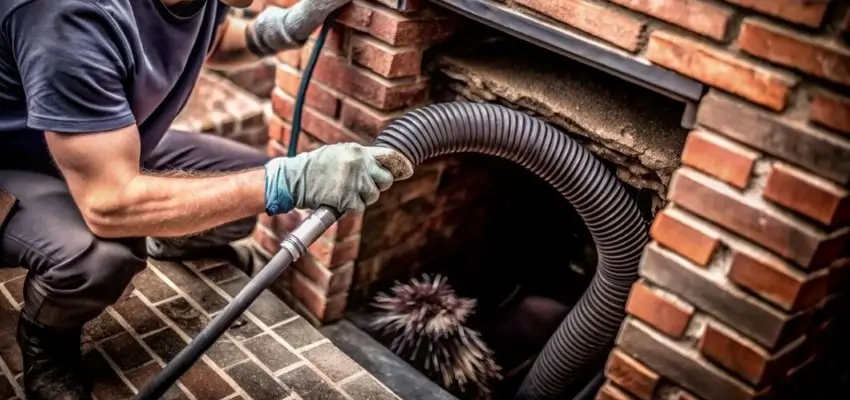
Less smoky smell, steadier flames: Chimney Cleaning around Chilliwack
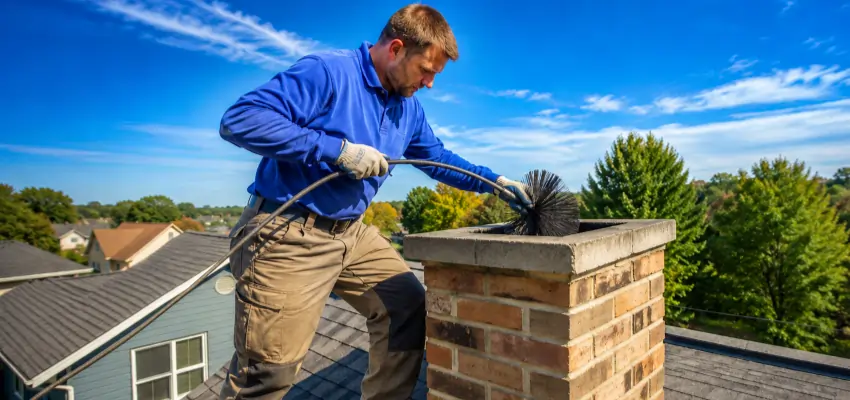
Chimney Sweep visits that leave Chilliwack living rooms clean
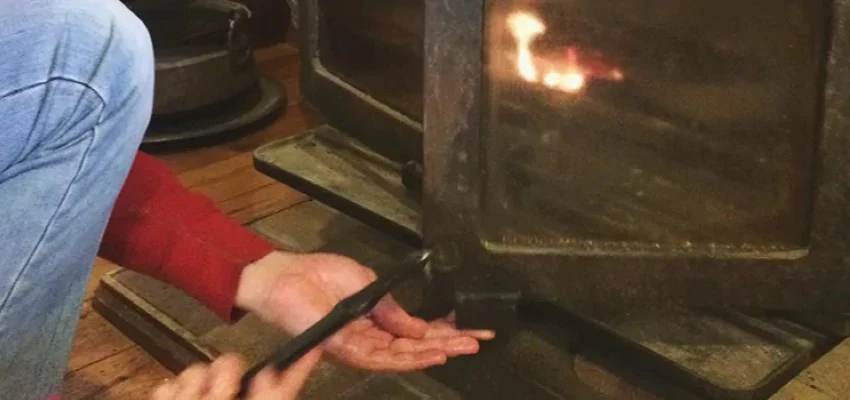
Swept and checked: Chimney Sweep Services in Chilliwack
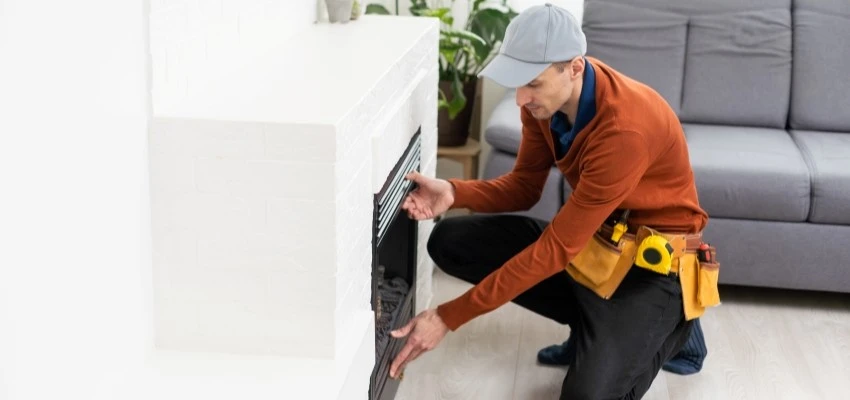
What Fireplace Experts check in your Chilliwack chimney
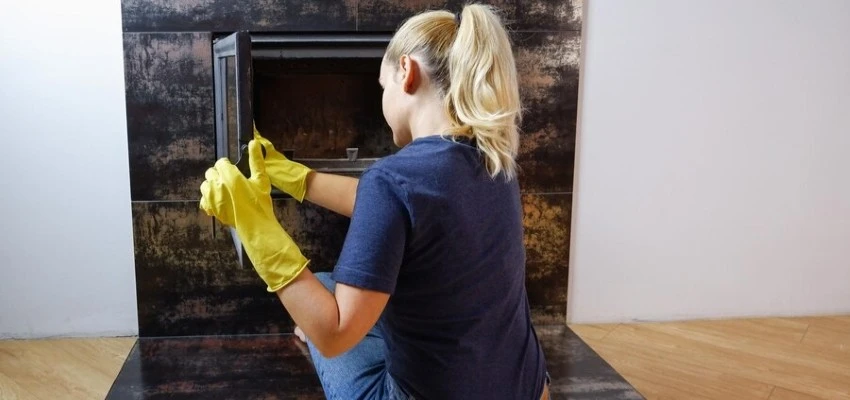
Hazy glass and dusty logs? Gas Fireplace Cleaning in Chilliwack
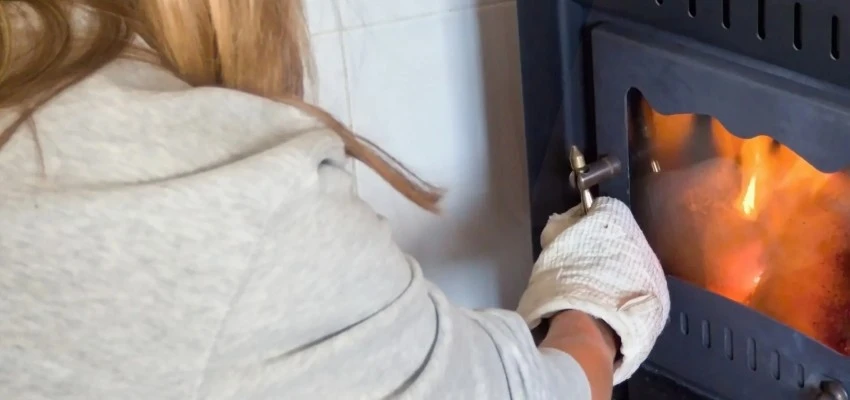
Catch a weak thermocouple early with Gas Fireplace Maintenance

