A chimney stands out in the open all year, taking rain, wind, sun and, in many places, hard freezes with no shelter at all. Sooner or later something on it needs attention, whether that is a loose cap, a tired mortar joint or a part inside the flue. If you searched for “cracked chimney bricks repair”, this page gathers the questions homeowners in Chilliwack ask most often about chimney brick repair, answered plainly so you can judge what your own chimney needs and what can wait.
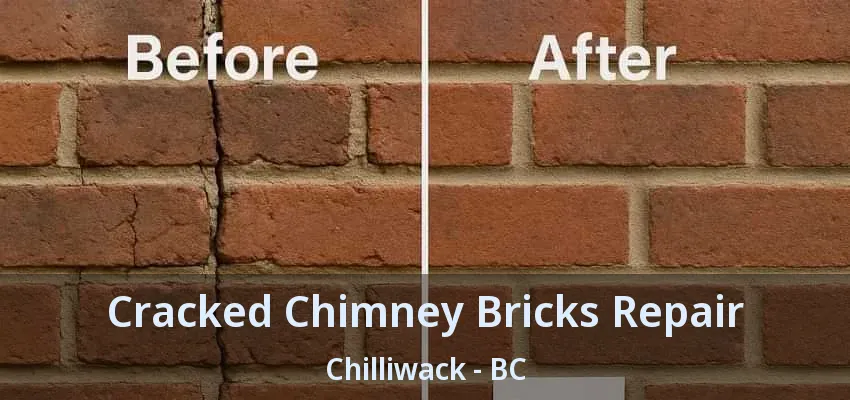
Most cracks come from movement or moisture. Settling of the footing, heat cycles from the fireplace, freezing water inside the brick and mortar that is harder than the brick all create stress that the brick relieves by cracking. Steel parts such as an old lintel or brackets can rust and swell, pushing bricks apart. Cracks that follow the mortar in a stair-step pattern often point to settlement, while cracks running straight through the face of bricks suggest stress or freeze damage. Knowing the cause is the first step in any “cracked chimney bricks repair” plan, since fixing the source keeps new bricks from cracking too.
It depends on the damage, so the safe default is to hold off until someone has looked at it. Cosmetic problems on the outside, such as a stained brick face, rarely affect how a fireplace works. Damage inside the flue, a cracked liner, a damper stuck shut or a blocked vent is different, because smoke and hot gases may not leave the house the way they should. If you notice smoke spilling into the room, a strong smell or soot where there was none before, stop using the fireplace. Keep working carbon monoxide alarms on every level of the home either way.
Chimney bricks usually crumble because water gets into them and then freezes, evaporates or carries salts to the surface. In cold weather, trapped moisture expands as it freezes and pops off the face of the brick, which is called spalling. In milder climates, repeated wetting and drying and salt deposits slowly break down the surface instead. Mortar that is harder than the brick, often from an earlier repair, makes things worse because it forces the brick to take the stress. Crumbling bricks are a signal to find and stop the water source, not just to swap out the damaged units.
Sometimes. If a crack runs only through the mortar, repointing those joints restores the seal. A fine hairline crack in a sound brick may be left alone or filled with a masonry repair product that matches the color. Bricks that are split through, loose or crumbling at the face should be cut out and replaced, because fillers do not restore their strength and usually fall out. Caulk and roofing tar look like quick fixes but trap water and stain the brick. A mason handling “cracked chimney bricks repair” jobs should explain which bricks can stay and which have to go.
Repointing is not a recurring yearly job; a properly matched and packed joint can last a generation. When we see fresh tuckpointing fail within a few years, it is usually for one of three reasons: the new mortar was too hard or too soft for the brick, it was smeared over old mortar instead of packed into cleaned-out joints, or water from a cracked crown kept soaking the stack. We address all three on our jobs. After that, the chimney top and the weather-facing side are the spots to watch, and touching up a handful of joints there keeps the rest sound.
Anything from a morning to several days, depending on the part, the access and the material. A damper repair or cap swap rarely keeps us past lunch. Flashing and chase covers depend on the roof, so a steep pitch or fragile shingles add hours. Masonry is the slow one, not because the work itself drags but because mortar and crown concrete need dry, mild weather and time to firm up between steps. A full rebuild above the roofline can stretch over several visits. When we quote, we give you a working estimate and tell you plainly what could push it longer, such as hidden damage.
Most chimney repairs are not do-it-yourself jobs, mainly because they involve working at height on a roof or inside the flue, where mistakes affect safety. What homeowners can do safely is watch and report: look at the chimney from the ground with binoculars, check the attic and walls near the chimney for stains after rain, keep the hearth area clear and open and close the damper now and then to make sure it moves freely. Leave masonry, flashing, caps, liners, fans and anything connected to a gas appliance to a professional. Patching with roofing tar usually hides a problem rather than fixing it.
The repairs we make hold up longest when the rest of the chimney system is looked after too. That means a cap that stays in place with clear mesh, a crown kept free of leaves and moss, flashing left alone by anyone doing roof work and regular sweeping if you burn wood, because creosote and moisture attack the inside of the flue. We tell homeowners exactly how long to wait before the first fire after masonry work. After that, a glance at the chimney from the yard after big storms and a professional look once a year usually keeps surprises to a minimum.
Local crews know the chimneys in the area, and that knowledge saves time and guesswork. Working the same streets season after season, we learn which subdivisions have tall chimneys on steep roofs, which builders used flat chase covers that rust and which older districts still have original clay liners. That history makes the first diagnosis faster and quotes more accurate. Being close by also means we can come back to check a repair after heavy rain without it becoming a major trip. When you call Chimney Sweep Chilliwack, you reach people who work on chimneys around Chilliwack every week.
If you already know the work needs doing, booking early gives you more choice of dates and less to think about later. Tell us roughly when you would like the visit in Chilliwack and we will hold a time for you. Reserve your visit.
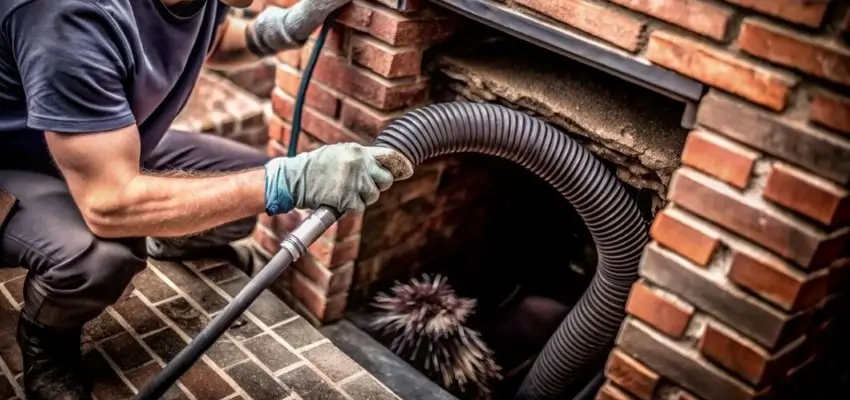
Less smoky smell, steadier flames: Chimney Cleaning around Chilliwack
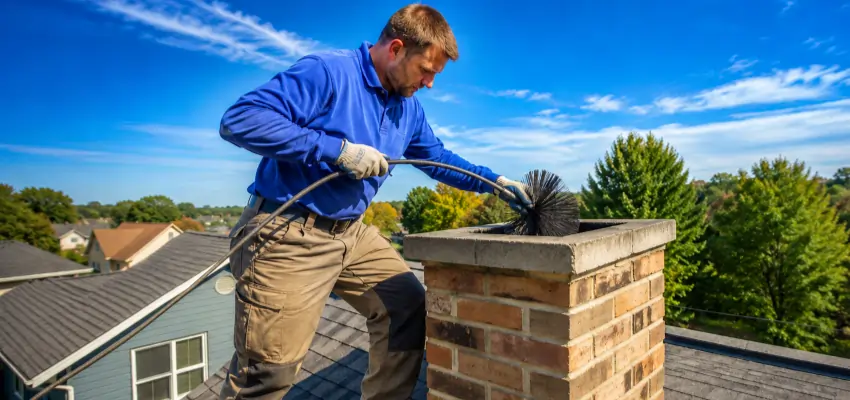
Chimney Sweep visits that leave Chilliwack living rooms clean
Swept and checked: Chimney Sweep Services in Chilliwack
What Fireplace Experts check in your Chilliwack chimney
Hazy glass and dusty logs? Gas Fireplace Cleaning in Chilliwack
Catch a weak thermocouple early with Gas Fireplace Maintenance