
Smoke, soot and heat are hard on masonry and metal, even when everything looks fine from the living room. Most of the wear happens inside the flue, where nobody notices it until a problem shows up. If “fireplace cleaning” is what brought you here, this guide walks homeowners in Chilliwack through fireplace cleaning in practical terms: what to watch for, what a visit involves and how to keep your fireplace in good working order.

Creosote is unburned fuel: tiny droplets of tar and gas that leave the fire, cool on the way up and stick to the flue walls. We grade it by texture on every job. A light, powdery coat brushes away easily. A thicker, flaky or bubbly layer takes more effort and tells us fires are running cool or the wood is wet. A glossy, glazed coating is the one that concerns us, because it is stubborn to remove and burns intensely if it catches. Where we find heavy deposits, we talk through wood and burning habits, since changing those is what slows the next round of buildup.
The signs fall into two groups: what you hear during the fire and what we find after it. A fast chimney fire is often described as sounding like a freight train or a jet engine, with popping as tiles and deposits heat up. In that moment, the only job is to leave the house and call the fire department. Afterward, we look for creosote that has swelled into a honeycomb texture, discolored or distorted metal, cracked liner sections and stains where smoke escaped through gaps. Those clues matter because a quiet chimney fire can damage a flue without anyone noticing.
Cleaning a fireplace properly relies on a handful of specialized tools. Brushes come in wire for masonry flues lined with clay tile and in stiff poly for metal flues that a wire brush could scratch, sized to match the shape of the flue. They attach to flexible rods that snap together to reach the full height of the chimney, and some technicians use rotary systems that spin the brush with a drill. A vacuum with fine filtration keeps soot contained, while lights, mirrors and inspection cameras show what the brushes have reached. Drop cloths and hand tools finish the smoke shelf and firebox.
A careful sweep should leave little or no mess, because the soot is contained and vacuumed as the work happens. Expect drop cloths around the hearth, the fireplace opening or stove door sealed off and a vacuum running for much of the visit. A little fine dust can still escape when the damper is opened or stovepipe comes apart, so clear the mantel and move rugs and furniture back a few feet. If you have light carpet or upholstery nearby, mention it when booking. A good crew leaves the hearth cleaner than they found it.
A routine cleaning or inspection usually takes about one to two hours, and a combined sweep and inspection can run a little longer. Time depends on how much creosote has built up, how tall the chimney is, whether the roof has to be accessed and whether a stovepipe must come apart. Glazed deposits and any small repairs agreed on during the visit add time, while larger masonry work is normally scheduled separately. Plan to be home for the whole visit and allow a few minutes at the end to go over the findings. Describing your setup when booking helps the company estimate the time.

It depends on the chimney, and the decision is made on the day. Plenty of flues are swept from the firebox upward with rods, which keeps us off delicate roofing. We still like to see the top, because the cap, the crown and the last few feet of flue are where weather and animals cause trouble. On steep or slippery roofs, we may set a ladder at the eave and use a camera instead of walking the surface. Rain, ice and strong wind mean the roof portion waits for a better day. Either way, you should hear what the top looks like, not just the bottom.
Usually, yes, and the stain is worth reading before you scrub it. Soot on the brick or stone above the opening often means smoke has been rolling out of the firebox, so the draft deserves a check along with the fireplace cleaning visit. For the stain itself, a dry soot sponge lifts loose residue without smearing it deeper, and a mild soap solution can follow on sealed or glazed surfaces. Avoid wire brushes and harsh acids, which can scar soft brick and mortar. Test any method on a hidden spot first, and leave stubborn or porous stone to a professional.
Everyday upkeep is a homeowner job, but sweeping and inspecting the chimney are better left to a professional. Safe tasks include removing cold ashes, cleaning glass doors with a product made for fireplace or stove glass, keeping the hearth area clear, checking that the damper opens and closes and testing smoke and carbon monoxide alarms. Brush kits are sold, but they cannot tell you whether the liner is cracked, the smoke chamber is coated or the cap is damaged, and climbing onto a roof brings its own risk. A professional visit includes a look at the parts you cannot see.
Local knowledge is the main reason: after enough visits in one area, we know its chimneys almost by heart. We learn which subdivisions have factory-built fireplaces from the same period, which older streets have unlined masonry flues and how local freezes, heat waves or storms treat crowns and caps. That background makes quotes more accurate and visits quicker. It also means Chimney Sweep Chilliwack is close by if something comes up later or you want a second look. For homeowners in Chilliwack, that familiarity usually saves time on the first visit and every one after it.
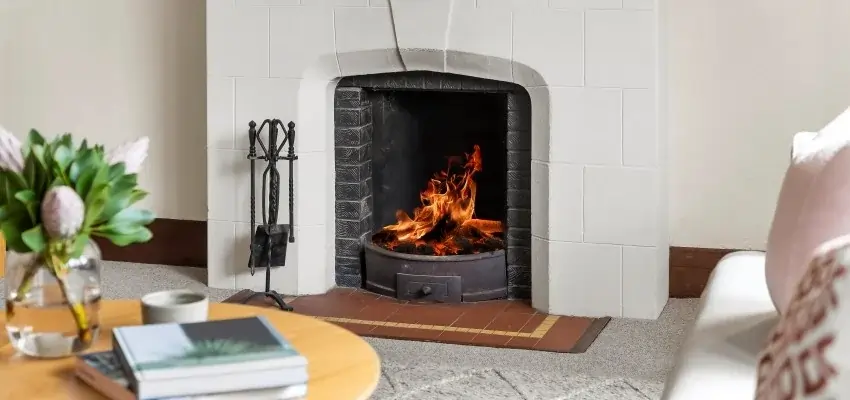
Start with whatever you noticed, even if it seems minor. A short description is enough for us to suggest the right kind of visit for your fireplace. Call (778) 608-3976 and the Chimney Sweep Chilliwack team will guide you from there.
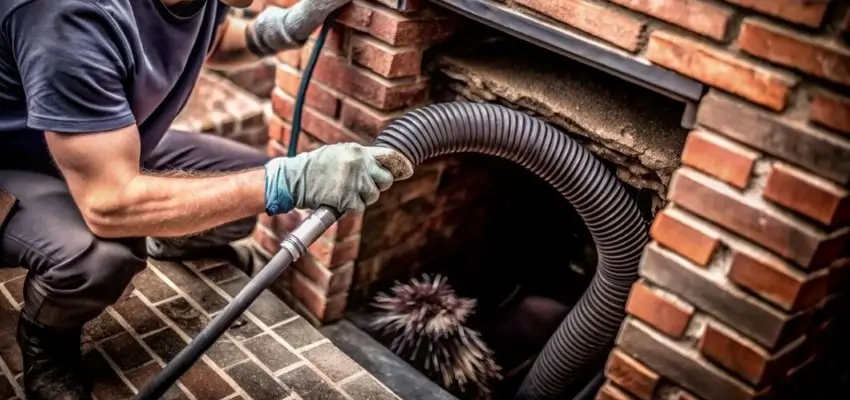
Less smoky smell, steadier flames: Chimney Cleaning around Chilliwack

Chimney Sweep visits that leave Chilliwack living rooms clean
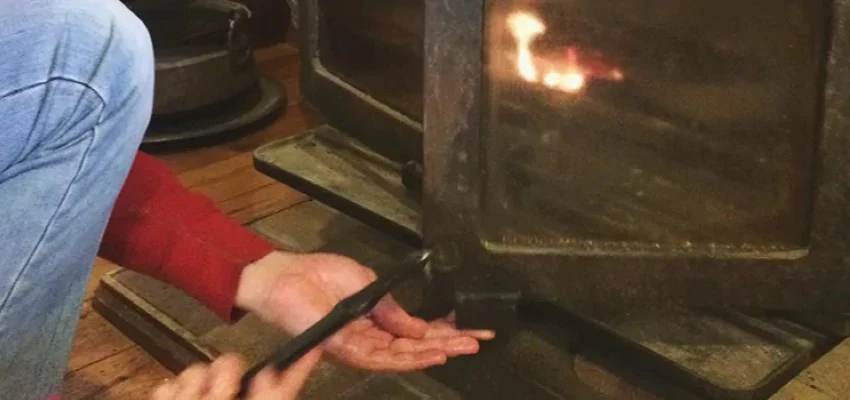
Swept and checked: Chimney Sweep Services in Chilliwack
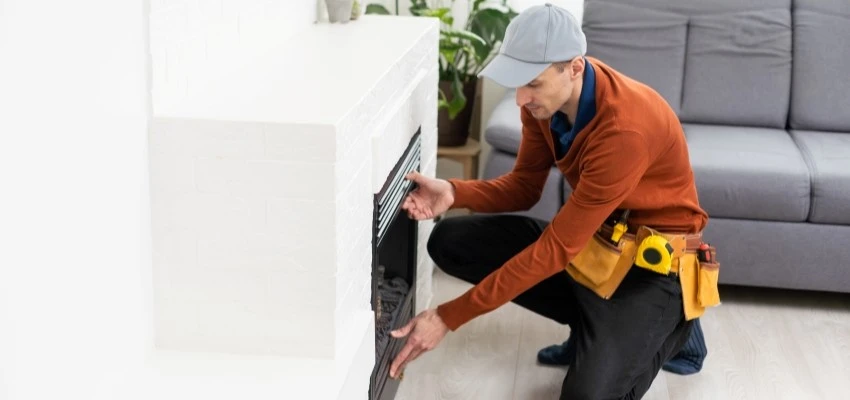
What Fireplace Experts check in your Chilliwack chimney
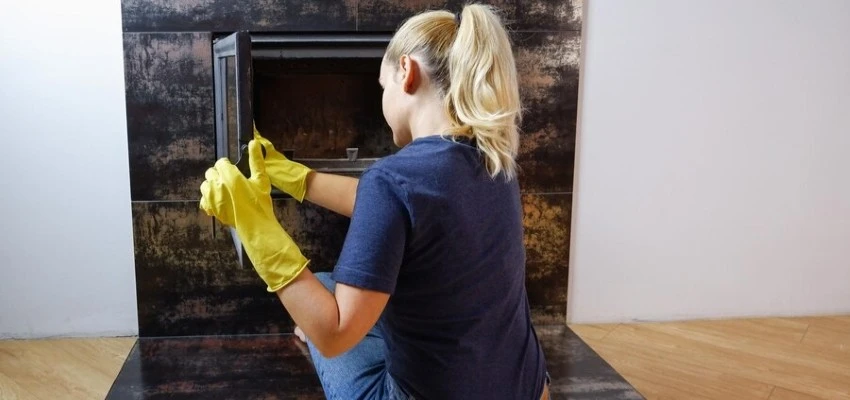
Hazy glass and dusty logs? Gas Fireplace Cleaning in Chilliwack
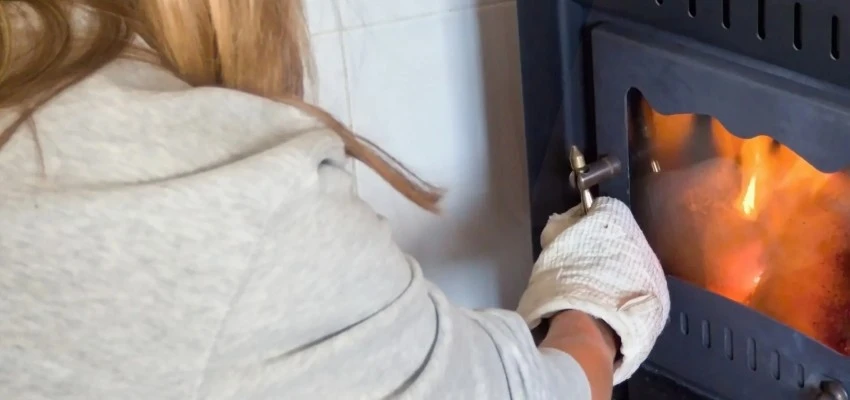
Catch a weak thermocouple early with Gas Fireplace Maintenance

