Most of what homeowners ask about wood fires comes down to three worries: is it safe, is it working properly and what will it take to fix? This page tackles all three for households in Chilliwack. If you arrived by searching for “fireplace contractors”, you will find fireplace repair and upkeep explained without jargon, with notes on what changes from one home to the next and which checks need no ladder or tools.
Creosote is the dark residue that forms when wood smoke cools and condenses inside a chimney or stovepipe, and it matters because it burns. It starts as dry, flaky soot, can thicken into a crunchy or sticky tar and at its worst becomes a hard, shiny glaze. A thick layer can ignite and cause a chimney fire. Creosote builds faster when wood is damp, when fires smolder with too little air and when the flue stays cold, as it often does in a chimney on an outside wall. Burning dry wood with a lively flame and having the flue swept when buildup appears keeps it under control.
You know it is time when the flue shows visible buildup or the fire starts behaving differently. With everything cold, shine a flashlight up past the open damper or into the stove outlet: a layer of soot or creosote that you can scrape with a poker is a common sign. Other clues include fires that are harder to start or keep going, smoke lingering in the room, a strong smoky smell, black flakes falling onto the hearth and stove glass that darkens quickly. If nobody remembers the last cleaning, that alone is a good reason to book one.
Good contractors treat dust control as part of the job. Expect plastic sheeting around the work area, covered floors along the route to the door and a vacuum or air scrubber running while old mortar and brick are removed. Cutting is often done outdoors or with tools fitted with dust collection. Debris goes out in sealed bags or tubs rather than loose armfuls, and roofing is protected with pads or boards when crews work up top. Before hiring “fireplace contractors” for a larger job, ask how they set up the room, and you will learn a lot about how carefully they work.
During a fireplace sweep, the technician cleans the full smoke path from the firebox to the top of the chimney while keeping soot out of your room. A typical visit starts with drop cloths and a sealed opening, with a vacuum running to hold fine dust back. Brushes on flexible rods are then run through the flue, from below, from the roof or both. The smoke shelf and smoke chamber above the damper are cleared, the damper is cleaned and tested, and ash and debris are removed from the firebox. You should get a short summary of what was found.
Quotes vary because no two chimneys take the same time, equipment or care. A single-story home with a short chimney and light buildup is quick work. A tall or steep roof needs more setup and safety gear. Heavy or glazed creosote takes extra passes and different tools. A camera scan adds time but leaves you with a record of the flue. Findings then become their own items: a missing cap, a damper that will not close or loose firebrick are priced separately. That is why we ask a few questions about your fireplace before giving any figure.
The most useful details are the type of appliance, the height of the house, when it was last serviced and what you have noticed. Say whether you have a masonry fireplace, a factory-built fireplace, an insert or a freestanding stove, and roughly how many stories the chimney passes. Mention how often you burn and any symptoms, such as smoke in the room, odors, loose bricks or a damper that sticks. Photos of the fireplace opening or stove and of the chimney top are a bonus. A steep roof or a shared wall in a townhouse is worth noting too, since access shapes the visit.
Remove ashes only when they are completely cold, using a metal shovel and a metal container with a tight lid. Ashes can hide live embers for several days, so wait well after the last fire and stir them gently to check for warmth. Set the closed container outside on a non-combustible surface, away from the house, decks and anything that burns, and never put ashes in a paper bag, plastic bin or household vacuum. In an open fireplace, a thin bed of ash can help the next fire, while stoves need more regular emptying so air can reach the coals.
Look for a company that explains its thinking and backs it with evidence; that is what we would want from anyone working on our own homes. A team that knows the work asks what kind of appliance you have, how you use it and what you have noticed. On the visit, it shows you the inside of the flue rather than handing down a verdict, and it tells you plainly when something can wait. Careful setup and clean-up say a lot about the rest of the job. Scare tactics are a red flag, because a real problem can be shown in a photo and explained calmly.
A written agreement should spell out the scope, materials, schedule and cleanup, so everyone shares the same picture of the job. Look for a description of what will be removed and rebuilt, the type of firebrick, mortar or tile planned, and how long the work and any cure time will take. It should explain how dust is controlled, how debris leaves the property and what happens if hidden damage turns up. Payment timing belongs in writing too. Clear paperwork protects both sides and makes it easy to check the finished work against what was promised.
We confirm the details of your home, suggest a visit window and explain what fireplace repair and upkeep will involve. On the day, the technician checks in before starting and walks you through the results at the end. Get started with a quote from Chimney Sweep Chilliwack.
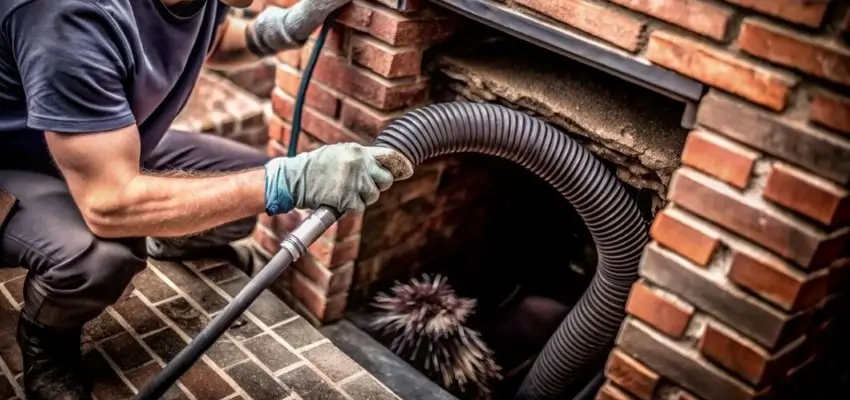
Less smoky smell, steadier flames: Chimney Cleaning around Chilliwack
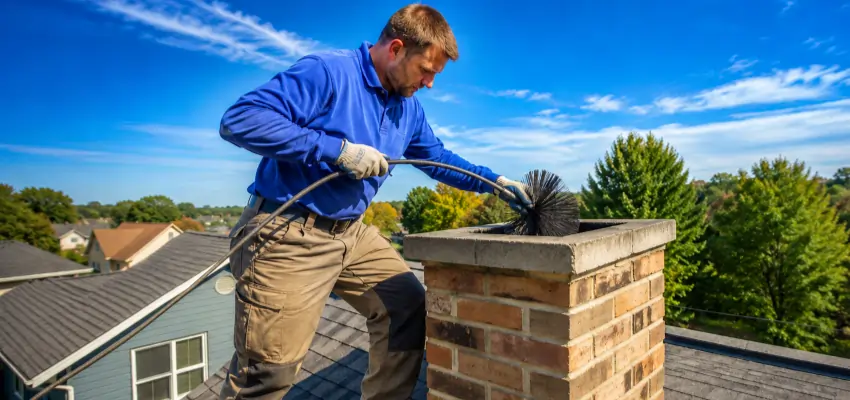
Chimney Sweep visits that leave Chilliwack living rooms clean
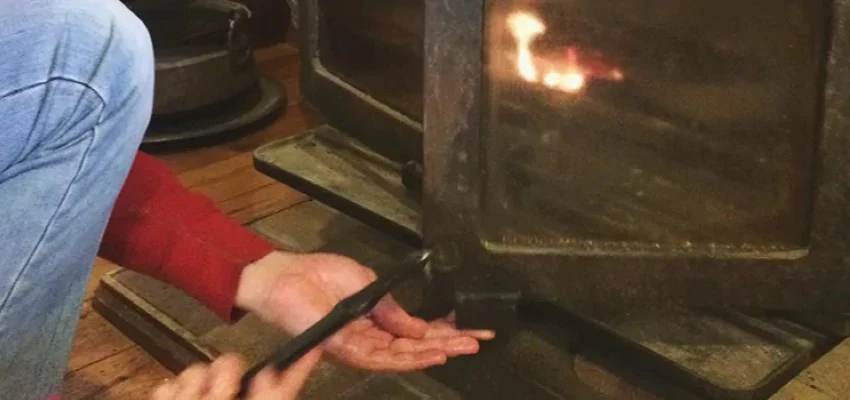
Swept and checked: Chimney Sweep Services in Chilliwack
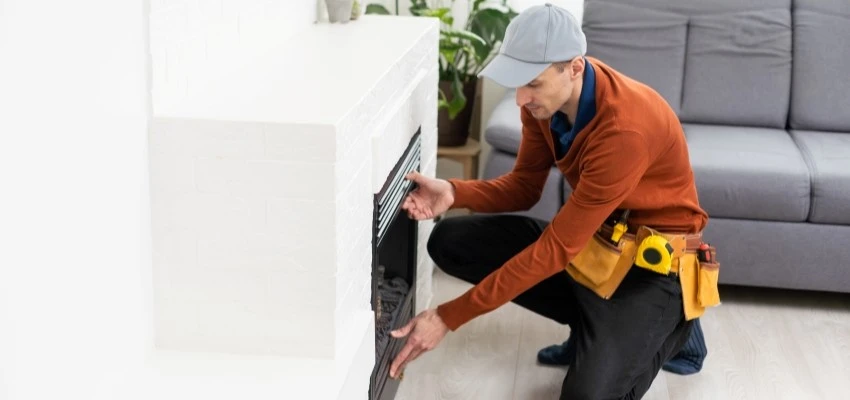
What Fireplace Experts check in your Chilliwack chimney
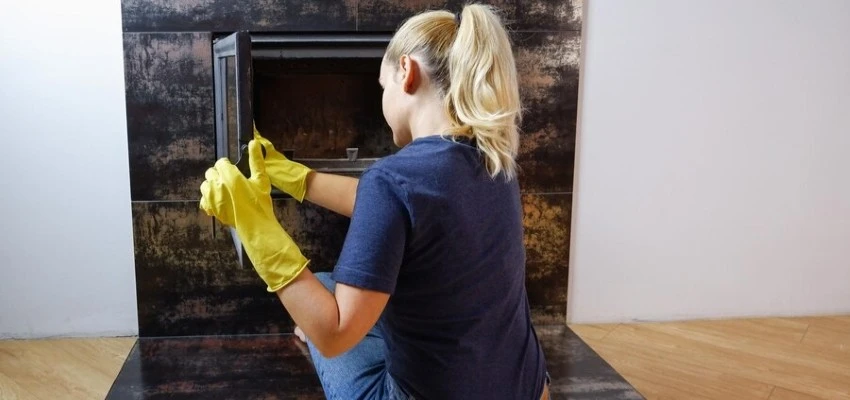
Hazy glass and dusty logs? Gas Fireplace Cleaning in Chilliwack
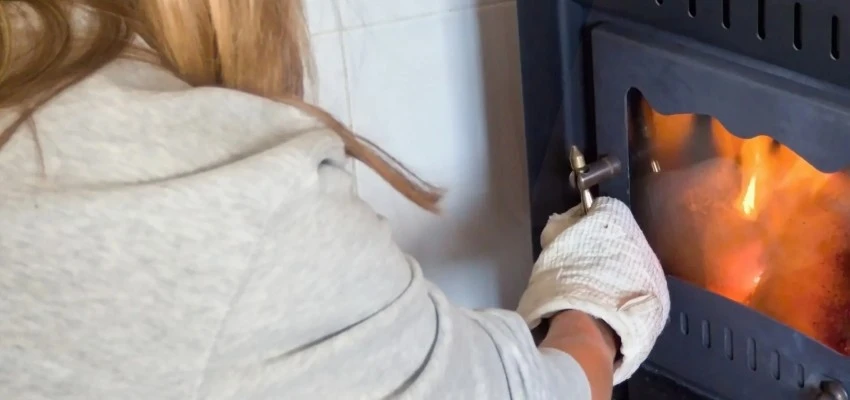
Catch a weak thermocouple early with Gas Fireplace Maintenance