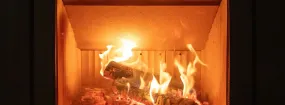
Some fireplace projects start with a wish for a fresh look; others start with a crumbling brick, a stuck damper or a smoky room. Either way, people around Chilliwack who search for “fireplace firebox services” tend to ask the same practical questions. This page answers them plainly, from what the work involves and how long it takes to how to prepare and what to ask before hiring anyone, so you can plan firebox repair with fewer surprises.

Remodeling changes how a fireplace looks or what it burns, while repair restores parts that have worn out or been damaged. Refacing, a new mantel or a wood-to-gas conversion are remodeling jobs. Fixing cracked firebricks, a stuck damper, a deteriorated smoke chamber or rusted metal parts is repair. Many projects include both: a makeover often uncovers damage that should be fixed while the area is open, and a repair can be a good moment to update the finish. Knowing which kind of work you need helps you find the right people and compare quotes fairly.
The firebox is the chamber where the fire actually burns: in a masonry fireplace, walls and a floor of firebrick set in refractory mortar; in a factory-built unit, a metal box lined with refractory panels. It takes more heat than any other part of the fireplace, so it wears first. Typical problems are cracked or flaking bricks, eroded mortar joints, a bulging back wall and, in factory-built units, cracked or crumbling panels. Anyone researching “fireplace firebox services” should know which type they have, since the repair methods for brick and panel fireboxes are quite different.
A factory-built firebox is repaired with parts made for that model rather than with bricks and mortar. Its refractory panels slot or screw into a steel shell, and when they crack through, crumble or go missing, they are replaced as a set or individually using the panels listed in the manual. The steel behind them is checked for warping, rust or burn-through, which can mean the unit is near the end of its life. Universal patches and loose firebricks should not be wedged into these units, because they change how heat moves through a tested system. Your firebox repair visit starts by reading the model label.
Most firebox damage is repaired by repointing worn joints and replacing cracked bricks, without rebuilding the whole firebox. Old, loose mortar is raked out and replaced with refractory mortar made for direct heat, since ordinary mortar breaks down quickly in a firebox. Bricks that are cracked through or crumbling are cut out and replaced with matching firebrick. When large areas are failing, or the back wall has bulged, a section or the full firebox lining is rebuilt. Afterward, the repairs need time to cure, and the first fires should be kept small.
Small repairs, such as replacing a few firebricks or fixing a damper, often take a single visit, while refacing, mantel work or a conversion can take several working days spread over a week or two. Masonry and mortar need time to cure before the fireplace is used, and some finishes must set before the next layer goes on. Ordering stone, tile, a mantel or a gas insert can add weeks before work starts. Ask for a schedule that shows working days, waiting time for curing or materials and the earliest date you can light a fire again.

Clear the area around the fireplace well beyond the hearth: furniture, rugs, artwork above the mantel, screens, tools and anything on the mantel shelf. Stop using the fireplace a day or two before so the firebox is cold, and remove ashes if the crew asks you to. Plan a clear path from the door to the room and a spot to stage materials, such as a garage or driveway. If you are choosing finishes, have samples approved before the start date. Keep pets and children away from the work area and agree on where the crew can wash tools.
It depends on where you live and what the work involves. Purely cosmetic changes, such as painting brick or swapping a mantel shelf, often need no permit, while gas line work, installing a new insert or fireplace, changes to the chimney or structural masonry frequently do. Rules differ from one municipality to the next, so check with your local building department or ask the contractor to confirm. A professional company should know the local requirements and tell you whether it will arrange the permit and inspection or whether that falls to you. Get that answer in writing before work begins.
Keep up the basics: have the chimney and fireplace inspected once a year and swept when needed, burn only dry, seasoned wood and keep the damper closed when the fireplace is not in use, unless it serves gas logs that need it open. Clean new stone or tile with products suited to the material, since harsh cleaners can stain or etch them. Avoid hanging heavy items from a new mantel unless it was built for that load. Check the firebox walls now and then for new cracks. A small problem caught early, like a single loose firebrick, is a quick fix rather than a project.
Compare quotes line by line rather than by the total. Each should describe the same scope: what is removed, what is repaired, what new materials go in and who handles any gas, liner or venting work. Look for the material types, the finish details, protection and cleanup, disposal of old materials and any permit costs. Check how hidden damage would be priced if it turns up. A quote that looks much lower may simply leave out repairs another contractor included. Ask each company to explain anything vague before you decide.

After the visit you get a short summary of what we found, what we did and anything worth planning for later. It makes future decisions about your fireplace much easier. Book with Chimney Sweep Chilliwack and keep it on file.
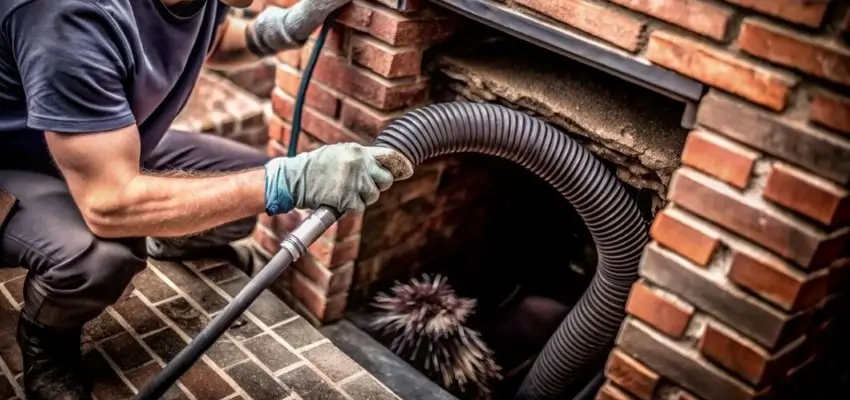
Less smoky smell, steadier flames: Chimney Cleaning around Chilliwack

Chimney Sweep visits that leave Chilliwack living rooms clean
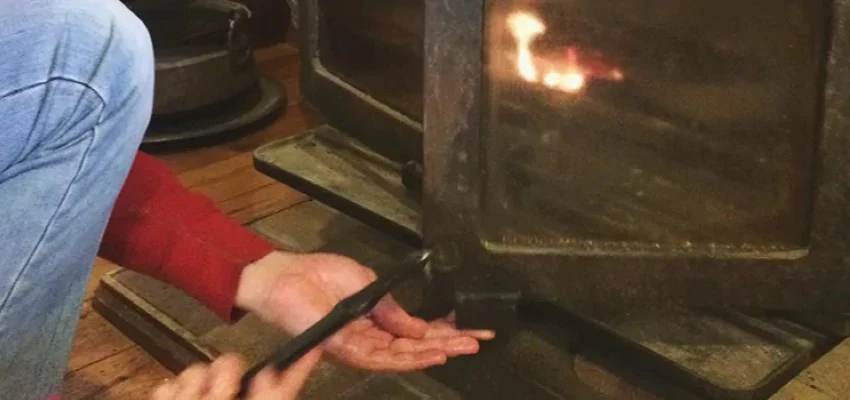
Swept and checked: Chimney Sweep Services in Chilliwack
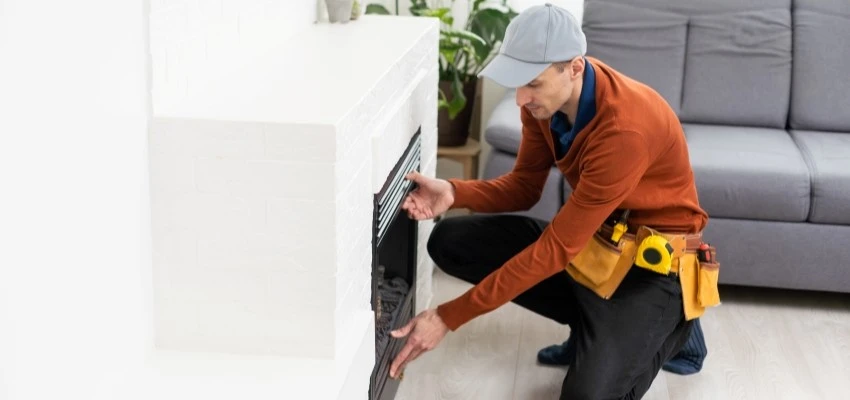
What Fireplace Experts check in your Chilliwack chimney
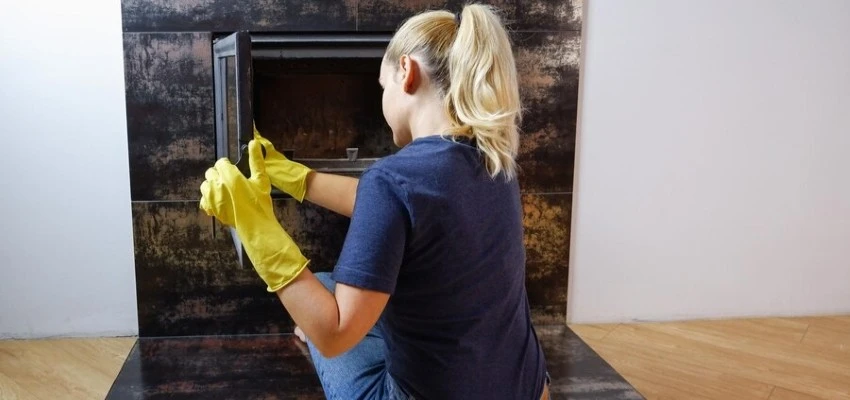
Hazy glass and dusty logs? Gas Fireplace Cleaning in Chilliwack
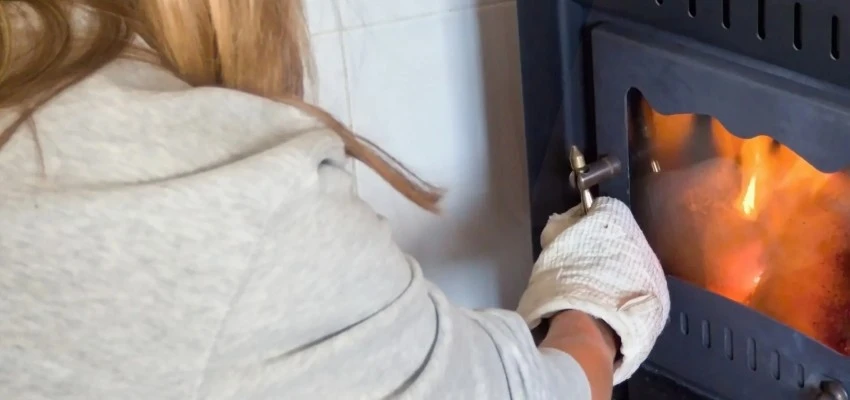
Catch a weak thermocouple early with Gas Fireplace Maintenance