
Plenty of people around Chilliwack inherit a fireplace or wood stove along with a house and have no idea when anyone last looked at it. Typing “fireplace fixing services” into a search bar is a sensible first move. The questions below are the ones homeowners raise most often about fireplace repair, answered in plain language and with the reasoning behind each answer, so you can judge what applies to your home and what does not.

Repairing is usually worth it, because the costly parts of a wood-burning setup, such as the chimney and the masonry around a fireplace, are built to last a very long time. Worn mortar, a rusted damper, cracked firebrick and tired door gaskets are all fixable. Replacement starts to make sense when the main body is failing: a stove with a cracked or badly warped body, a factory-built fireplace whose metal box has rusted through, or masonry so damaged that rebuilding approaches the cost of starting over. A technician can lay out both paths with their pros and cons so you can compare them calmly.
A chimney fire often announces itself with a loud roaring or rumbling sound, popping and cracking noises, thick smoke and a strong, hot smell, sometimes with flames or sparks shooting from the top. If you notice these, get everyone out of the house and call the fire department from outside. Not every chimney fire is dramatic, though. Slow-burning ones can go unnoticed and leave quieter clues: flaky, puffed-up creosote, a warped damper or cap, cracked flue tiles and debris on the roof or ground. After any suspected chimney fire, have the system inspected before it is used again.
A careful crew stops, shows you what it found and explains the options before going further. Hidden damage is common in fireplace work: removing a few firebricks can reveal heat-damaged backing, and opening the smoke chamber can uncover gaps nobody could see. You should get photos, a clear description and a revised price for the extra work, along with what would happen if you chose to leave it for later. Agree on this process before the job starts, so a “fireplace fixing services” project never grows without your knowledge or consent.
Cracked fireplace tiles are usually repaired by removing the damaged tile and grout, preparing the base and setting a new tile with heat-resistant adhesive and grout. Tiles crack from repeated heating and cooling, a hearth that has settled, a weak base underneath or something heavy dropped on them. Hearth tiles in front of the opening protect the floor from embers and heat, so cracks there deserve prompt attention. Matching older tiles can be tricky; when an exact match is not available, some homeowners retile the whole hearth or surround. Finding the cause first helps the new tile last.
The cost of fireplace repair depends on what is damaged, how far the damage has spread and how easy the area is to reach. A few loose firebricks or a new damper are smaller jobs; a full firebox rebuild, smoke chamber work or repairs to the chimney above the roofline involve more labor and materials. Matching older brick, tile or stone adds time, and so does fixing the cause, such as a leaking crown that let water in. Factory-built fireplaces depend on parts made for that model. Ask for a written scope so every quote covers the same work.

Plan for a longer, busier visit than a sweep. Clear the room around the fireplace, not just the hearth, since masons need space for mixing tubs, tools and material. Move valuables and electronics out of the room or cover them, and expect some noise from chiseling and cutting. Let the company know where an outdoor water tap and a power outlet are, and leave room in the driveway for a vehicle and materials. If the work involves the chimney top, keep the yard below clear. Pets and children are happier elsewhere while the work goes on.
Many chimneys can be cleaned from inside, through the fireplace opening or stove, but a complete job often includes a look from the roof as well. Working from below with flexible rods handles plenty of flues, especially with a vacuum holding the dust back. The roof is where the cap, crown, flue top and outside masonry can be checked, and some caps or tight bends make cleaning from the top easier. Technicians only go up when weather and roof conditions allow it safely. Mention steep pitches, fragile roofing or tight ladder space when you book.
It varies with the material, and we give every customer a specific answer before we leave. Mortar holds moisture after it is laid, and a roaring fire drives that water out too fast, which can crack fresh joints or pop new firebrick. That is why we suggest waiting through the full cure period and then building a few small, short fires to bring everything up to temperature gradually. Stove repairs follow the same idea on a smaller scale: a new rope gasket, for example, settles in over a couple of gentle burns. Caps, screens and dampers can be used immediately.
Evidence is how you tell: a repair that is truly needed can be shown in photos or footage and explained in plain words. We never mind being the second opinion, and we are happy when homeowners get one on our own quotes. A solid quote breaks the job into steps, lists materials and says what happens if more damage turns up once work begins. When a recommendation feels like a lot, ask what would happen if you waited a season. A straight answer to that question, with the risks spelled out, is one of the clearest signs of a trustworthy quote.

We would rather explain one thing clearly than list ten things you do not need. Ask us what matters for your home in Chilliwack and we will give you a straight reply. Get in touch with Chimney Sweep Chilliwack whenever you are ready.
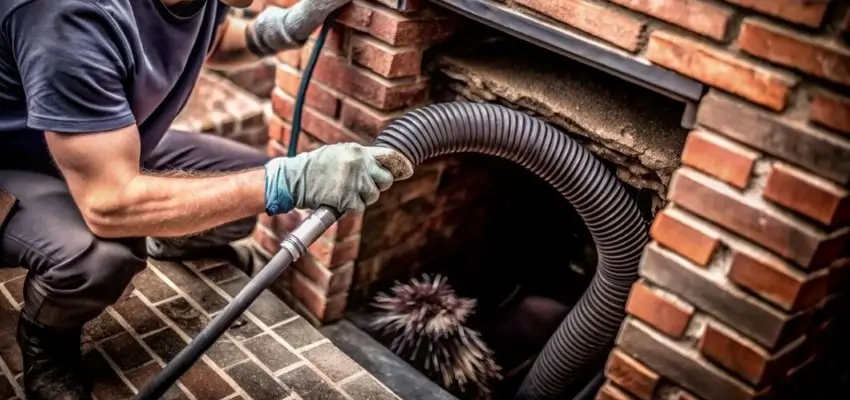
Less smoky smell, steadier flames: Chimney Cleaning around Chilliwack
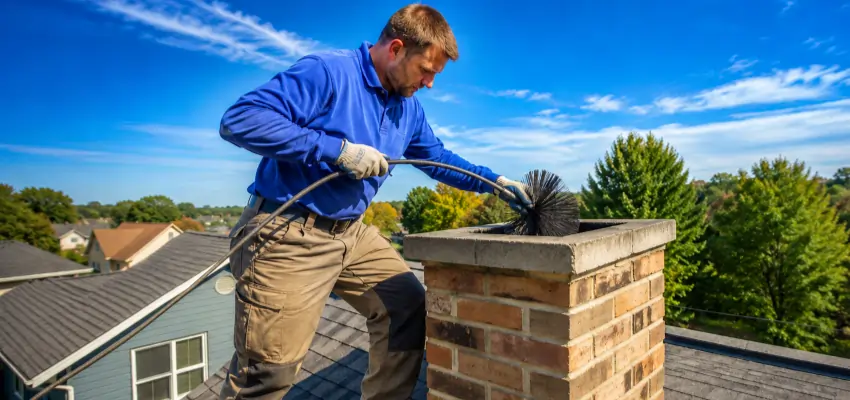
Chimney Sweep visits that leave Chilliwack living rooms clean
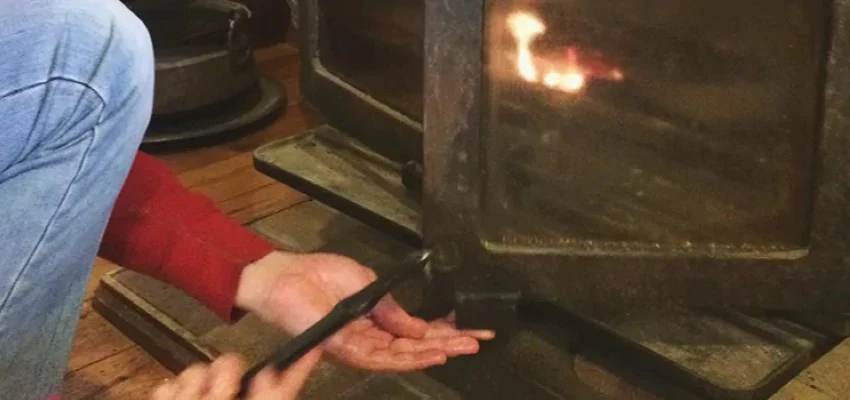
Swept and checked: Chimney Sweep Services in Chilliwack
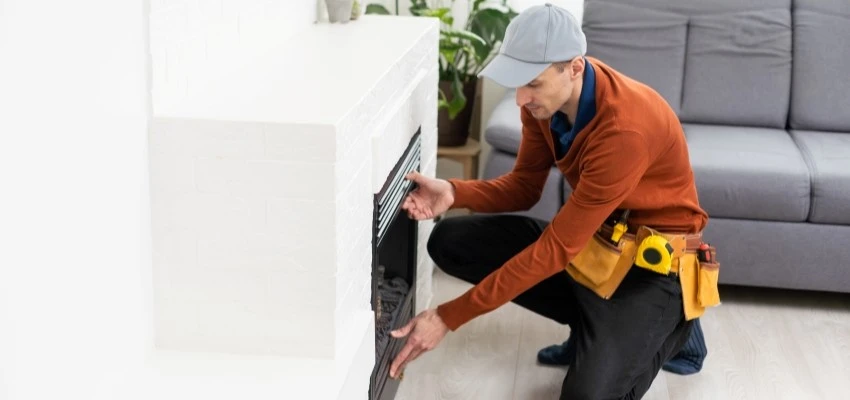
What Fireplace Experts check in your Chilliwack chimney
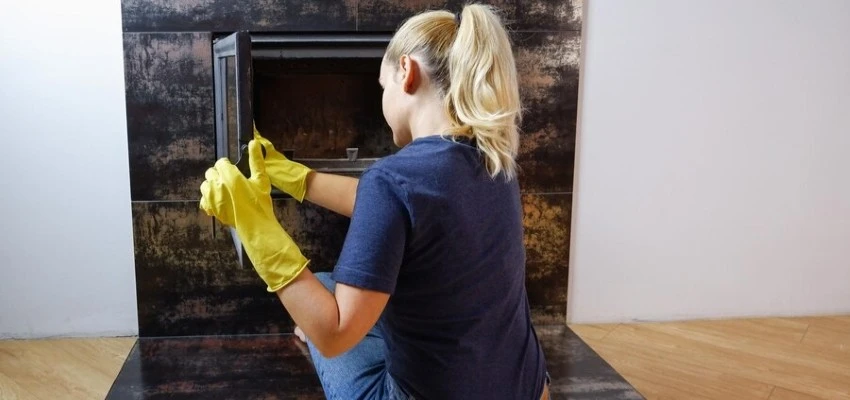
Hazy glass and dusty logs? Gas Fireplace Cleaning in Chilliwack
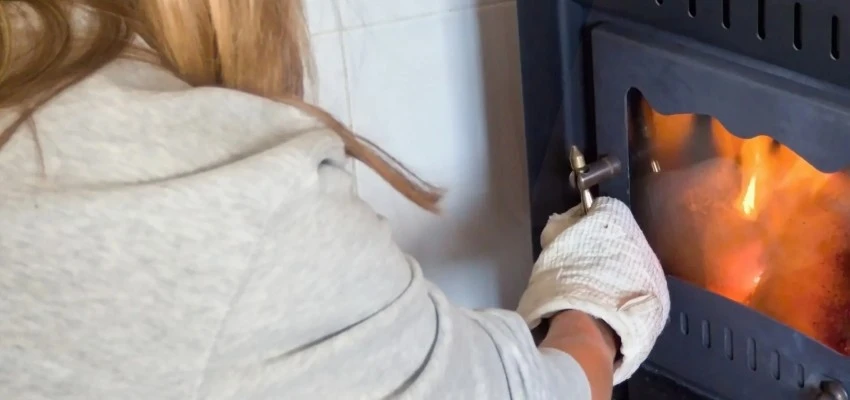
Catch a weak thermocouple early with Gas Fireplace Maintenance

