
Wood heat is simple in principle: the fire burns in the box and the smoke rises up the chimney. Keeping it that simple takes a clean flue, sound masonry and parts that seal the way they should. If “fireplace inspection” was your search, here is what households around Chilliwack usually want to know about fireplace inspection, explained in a straightforward way, so you can decide what your own fireplace needs.

A sweep removes soot and creosote, while an inspection checks the condition of the fireplace or stove and the chimney it vents into. Cleaning tells you how much buildup there was; an inspection tells you whether everything is sound and set up correctly. Many homeowners book both together, because a clean flue is easier to examine and the technician can spot cracks, gaps or worn parts that the deposits were hiding. If you can only schedule one, start with an inspection, since it shows whether a sweep or a repair is needed at all.
Odor in warm months is one of the most common calls we get, and the cause is nearly always creosote reacting with humidity. Those deposits absorb moisture and release a stale campfire smell, which drifts indoors whenever the house draws air down the flue. We clean the flue to remove the source, check whether the damper seals and look at the cap, since rain soaking into soot makes things noticeably worse. In homes around Chilliwack where the problem keeps returning, a top-sealing damper that closes at the very top of the chimney is often the change that settles it.
It can be, but only after a proper inspection and cleaning. A fireplace or stove that sits idle for years often collects things that make the first fire risky: bird or animal nests, leaves, fallen debris and old creosote in the flue, rust on the damper and cracks that formed as the masonry went through many seasons of heat and cold. Water may also have damaged the cap or crown. Have a technician inspect and clean the system, test the damper and look up the full flue before you light anything, so the first fire back is pleasant rather than smoky.
Clean, sound and set up correctly: those are the three verdicts a fireplace inspection should reach. Clean means the level of creosote in the flue and smoke chamber. Sound means the firebrick, mortar, damper, liner, crown and cap are intact, with no cracks or gaps that let heat or smoke escape. Set up correctly covers clearances to mantels, trim and framing, a hearth extension that protects enough floor and a cap that keeps rain and animals out. Where we cannot see, a camera goes up the flue. The report puts each finding in plain terms, with photos.
A visual check suits a fireplace that has been used and maintained regularly with no changes or warning signs. A camera scan is worth it when part of the flue cannot be seen, when there has been a chimney fire, a storm or a renovation, when a home is being bought or sold, or when smoke and odors have no obvious cause. The camera travels up the flue and shows cracks, gaps and deposits that a flashlight cannot reach. Ask the company which level of inspection they recommend for your situation and why.

A standard fireplace inspection usually takes under an hour for a single fireplace, sometimes less when the system is clean and easy to reach. More time is needed when the technician runs a camera through the full flue, checks the attic or roof, or has several flues to look at. A detailed inspection for a home sale or after a chimney fire can take noticeably longer, since every accessible section is documented. Allow some extra minutes at the end to go through the findings and photos, which is the part of the visit most worth your attention.
There is no need to clean the fireplace or stove before the visit, although clearing out a deep pile of completely cold ash is helpful. Technicians empty the firebox as part of the job and can learn something from what is there, such as how much creosote is falling or whether bricks are flaking. What matters most is that the ashes are cold, which can take several days after the last fire, since buried embers stay hot far longer than they look. Do take out unburned logs, kindling and decorations so the firebox is easy to reach.
Ashes are cleaned out safely by waiting until they are cold, scooping them into a lidded metal bucket and taking that bucket straight outside. Cold ash only, every time; any warmth deep in the pile means it waits. Once outside, the bucket belongs on bare ground or concrete, where a surviving ember can do no harm. We have seen ash buckets left on wooden decks and in garages, which is exactly where they should not be. Daily stove users may empty the pan every day or two, and ash vacuums made for the job are an option once everything is fully cold.
It turns into a to-do list: a failed inspection means specific fixes are needed, not that the fireplace is beyond saving. For each finding, we explain where it is, why it matters and how urgent it is, with photos so you can see it yourself. A missing cap or a sticky damper is a minor note. A cracked liner, a firebox with open joints or a mantel too close to the opening is something we ask homeowners not to use the fireplace with until it is fixed. For home sales, the report gives both sides a clear list to work from.

Most problems with your fireplace start small and grow when they are left alone for a few seasons. If something on this page sounded familiar, have it checked while it is still minor. Call Chimney Sweep Chilliwack at (778) 608-3976 to arrange a visit in Chilliwack.
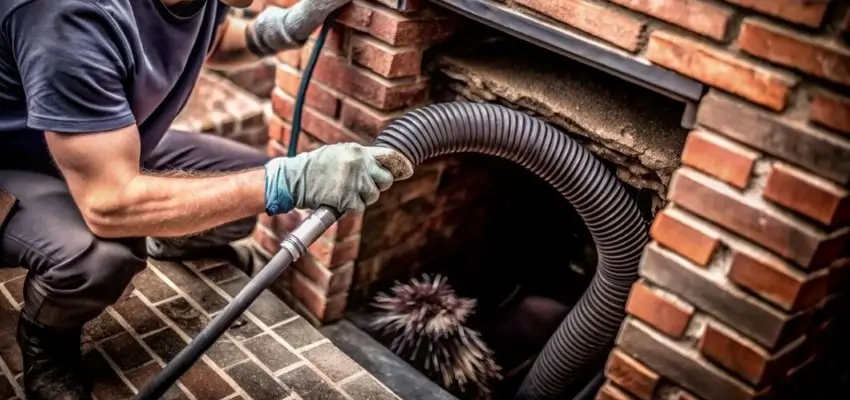
Less smoky smell, steadier flames: Chimney Cleaning around Chilliwack
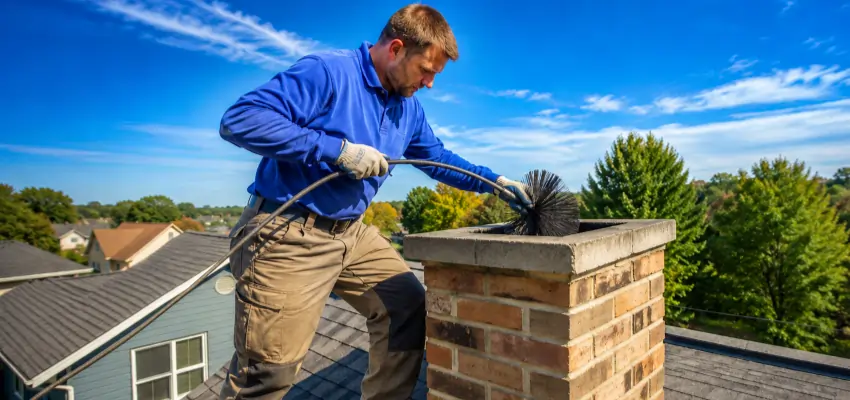
Chimney Sweep visits that leave Chilliwack living rooms clean
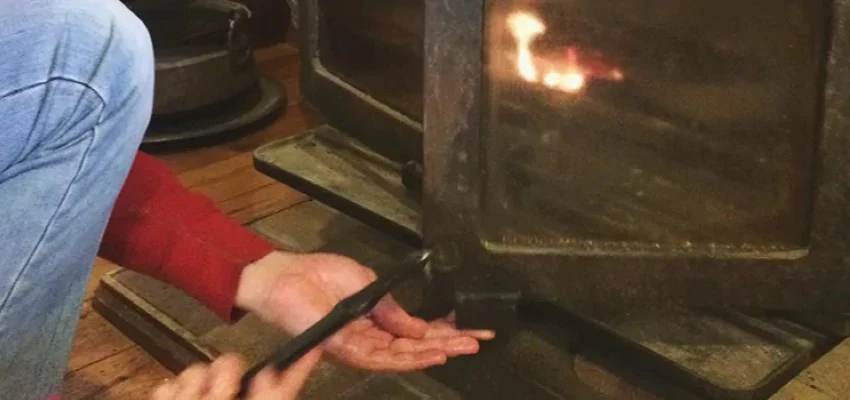
Swept and checked: Chimney Sweep Services in Chilliwack
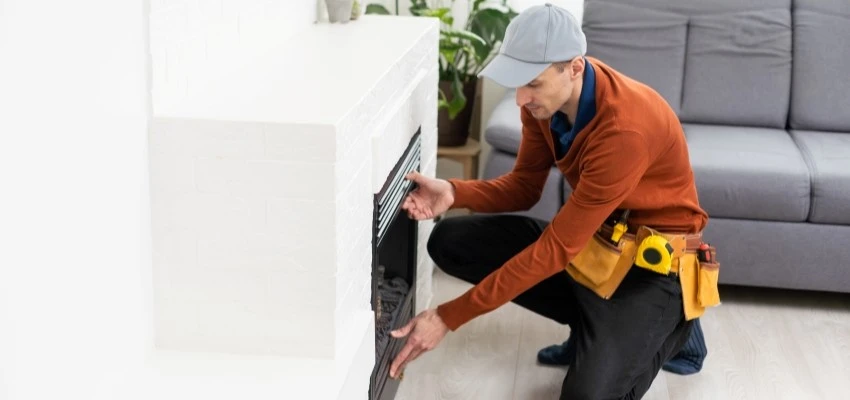
What Fireplace Experts check in your Chilliwack chimney
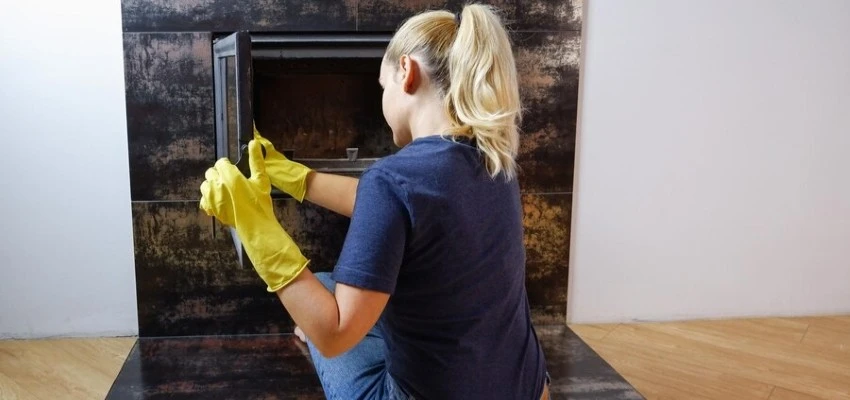
Hazy glass and dusty logs? Gas Fireplace Cleaning in Chilliwack
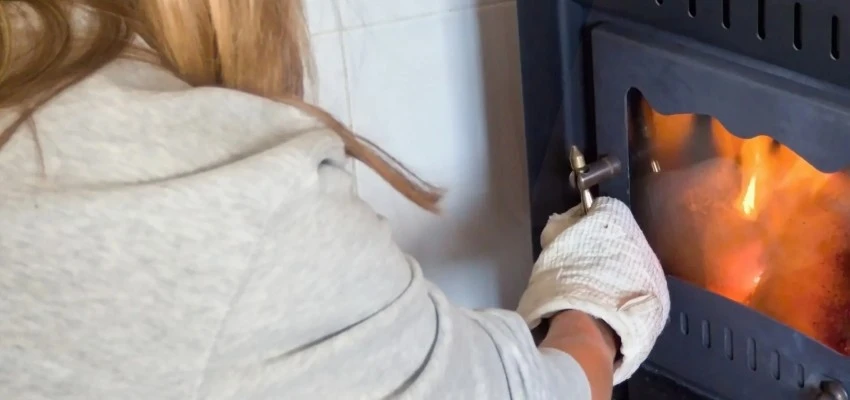
Catch a weak thermocouple early with Gas Fireplace Maintenance

