
Before the next fire, it helps to know what is happening above the flames. Every load of wood leaves a little residue in the chimney, and every season of heating and cooling tests the mortar, metal and seals that keep smoke where it belongs. People in Chilliwack who look up “fireplace maintenance” usually want to know whether their own fireplace needs attention. The answers on this page explain fireplace maintenance plainly, without scare tactics.
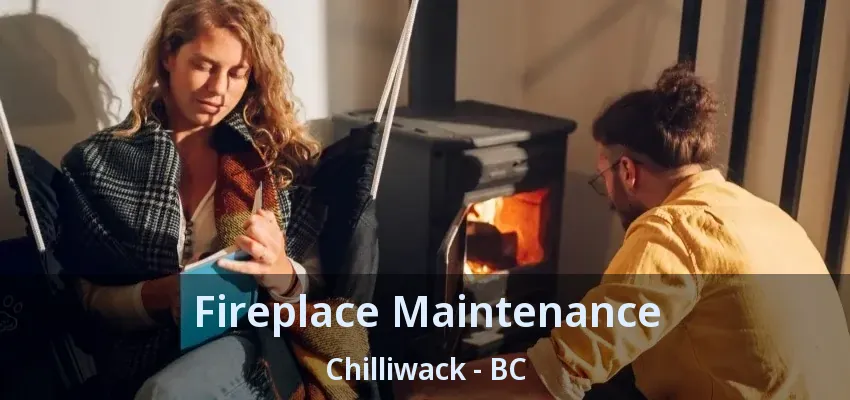
Regular care catches problems that build slowly and out of sight, and a fireplace that has gone years without a visit shows exactly that pattern. The flue carries a crust of creosote, the cap is clogged with leaves or missing, and joints in the firebox have eroded from repeated heating. None of it happened overnight, and most of it would have been a simple fix earlier on. Neglect also hides things like a cracked flue tile or a rusted damper, which only show up when someone looks. Routine service is really about knowing the condition of a system you trust with an open flame indoors.
A fireplace or stove usually smells when it is not in use because creosote and soot in the flue give off odor, especially in humid weather. Moist summer air reacts with those deposits and makes the smell stronger, and rain coming down an uncapped chimney adds a damp, musty note. The house can make it worse: kitchen and bathroom fans or a running dryer can pull air down the chimney and into the room. A sweep removes most of the source, a cap keeps rain out and a tightly closing damper cuts the downdraft. A sharp, rotten smell is different and can mean an animal in the flue.
During a fireplace sweep, the technician cleans the full smoke path from the firebox to the top of the chimney while keeping soot out of your room. A typical visit starts with drop cloths and a sealed opening, with a vacuum running to hold fine dust back. Brushes on flexible rods are then run through the flue, from below, from the roof or both. The smoke shelf and smoke chamber above the damper are cleared, the damper is cleaned and tested, and ash and debris are removed from the firebox. You should get a short summary of what was found.
In most cases it does, because the expensive fireplace problems usually grow out of small ones left alone. A cap that costs little to replace keeps water out of the damper, the smoke chamber and the mortar joints. A sweep that removes creosote reduces the chance of a chimney fire that can crack a flue. Loose firebrick reset early avoids a full firebox rebuild later. Routine fireplace maintenance will not stop every repair, but it spreads costs out, gives you warning and keeps the big projects rarer.
The season matters mostly for scheduling: late spring and summer are often the easiest times to book, because demand is lower and any repairs can be finished well before you need a fire. Many homeowners still schedule in early fall as a pre-season check, and that works too, although calendars fill quickly once the weather cools. Booking soon after the burning season ends has a bonus: deposits come out before humid weather turns them into odors. If something already seems wrong, book when it suits you rather than holding out for a particular month.

There is no need to clean the fireplace or stove before the visit, although clearing out a deep pile of completely cold ash is helpful. Technicians empty the firebox as part of the job and can learn something from what is there, such as how much creosote is falling or whether bricks are flaking. What matters most is that the ashes are cold, which can take several days after the last fire, since buried embers stay hot far longer than they look. Do take out unburned logs, kindling and decorations so the firebox is easy to reach.
Check the parts that sat untouched all summer, the alarms and the wood supply; our own pre-season list is that short. Dampers can rust or stick, so work them open and closed. Caps and screens may have gathered leaves or a nest. Glass door latches and stove gaskets should still close snugly. A carbon monoxide alarm with a dead battery protects nobody, so test it. Then comes the fire itself: dry kindling, seasoned logs and a modest first burn while you watch how the smoke behaves. If it rolls into the room or smells odd, let it die down and call for a check.
Dry, seasoned wood that has been split and stored for six months to a year or longer burns cleanest, because it lights easily and produces less smoke and creosote. Wet wood wastes heat boiling off water, smolders and coats the flue faster. Well-seasoned pieces are lighter, show cracks across the ends and sound hollow when knocked together, and an inexpensive moisture meter takes out the guesswork. Splitting and stacking wood in spring, off the ground and covered on top, usually has it ready for the colder months. Never burn painted or pressure-treated lumber, trash or cardboard boxes.
A simple yearly routine covers most of what a wood-burning fireplace needs. Before the burning season, have the chimney inspected and swept as needed, test smoke and carbon monoxide alarms and stock dry wood. During the season, remove cold ashes regularly, keep the hearth clear and watch for smoke, odors or flakes falling from above. After the last fire, clean out the firebox, close the damper and consider booking any repairs for the warmer months. Following this kind of fireplace maintenance calendar keeps small issues small and makes each professional visit quicker.

Sometimes the right call is a small fix, sometimes a bigger job and sometimes nothing at all. We tell you which one applies to your fireplace and why. Ask Chimney Sweep Chilliwack for advice and decide in your own time.
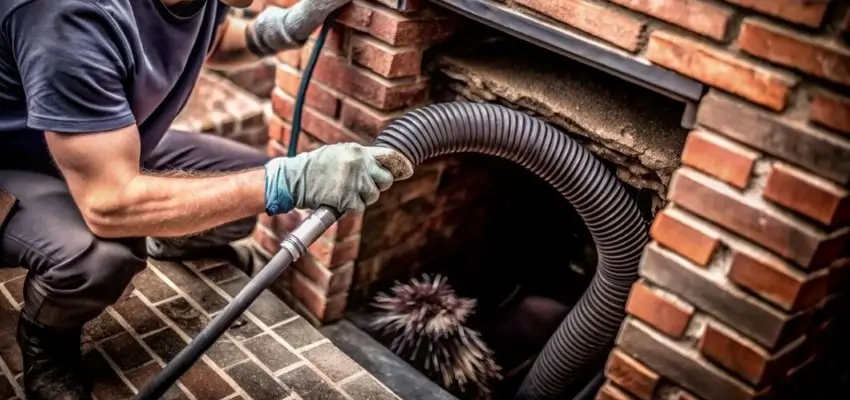
Less smoky smell, steadier flames: Chimney Cleaning around Chilliwack

Chimney Sweep visits that leave Chilliwack living rooms clean
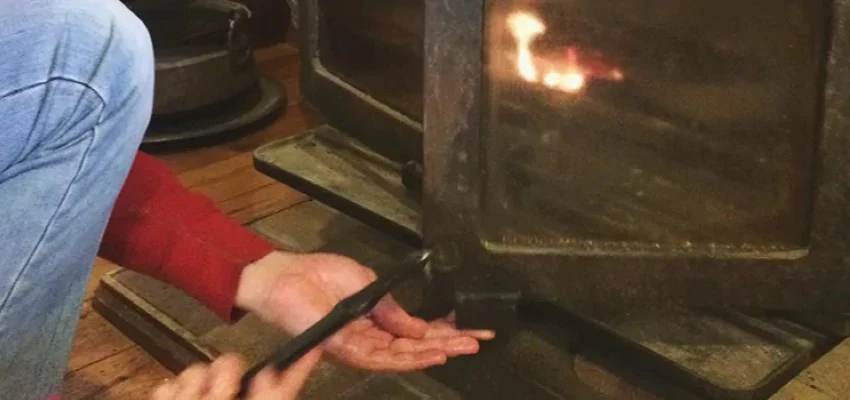
Swept and checked: Chimney Sweep Services in Chilliwack

What Fireplace Experts check in your Chilliwack chimney
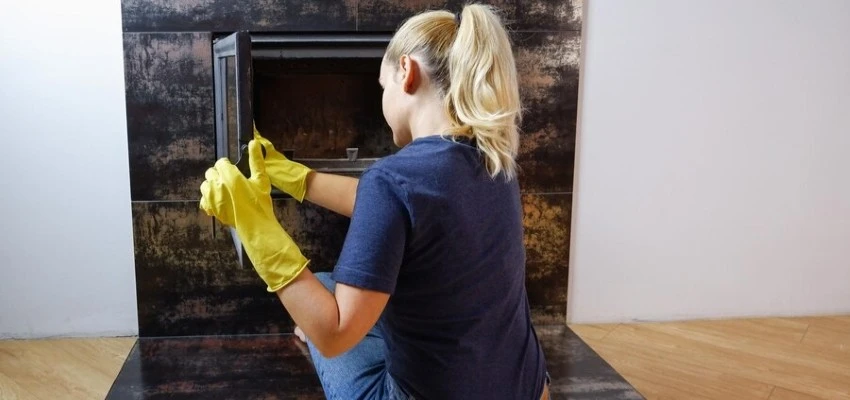
Hazy glass and dusty logs? Gas Fireplace Cleaning in Chilliwack
Catch a weak thermocouple early with Gas Fireplace Maintenance

