
Fireplace vocabulary can be confusing: firebox, throat, smoke chamber, surround, hearth extension. This page cuts through it. If you are in Chilliwack and found us by looking up “fireplace makeover services”, you will find straightforward explanations of fireplace renovation in everyday words, without jargon or pressure. Start with the parts that match your project and keep the rest for later, when the next question comes up.

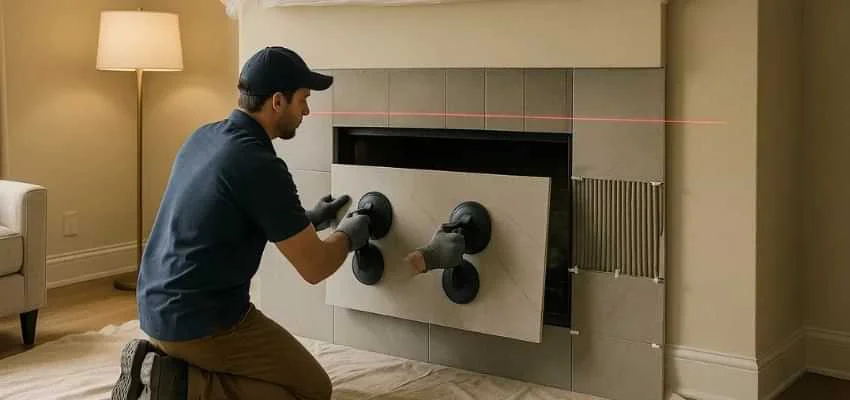
Most surround materials can work, and each one changes the job differently. Stone veneer, real or manufactured, gives depth but adds weight, so we check that the wall and hearth can carry it. Porcelain tile is thin, durable and easy to wipe down, and large-format pieces give a modern look with few grout lines. Thin brick suits traditional rooms without the bulk of full brick. Plaster and limewash refresh existing brick with very little demolition. Whatever you choose, the material closest to the firebox must handle heat, which is where specialty adhesives and mortars come in.
A makeover can be as small as fresh paint on the brick or as large as a new surround, hearth and mantel. Common pieces are refacing with stone, tile or plaster, a new or refinished mantel, a raised or extended hearth, new glass doors and a modern insert or gas conversion. Built-in shelving or lighting on either side often comes into the plan too. People searching for “fireplace makeover services” usually have a look in mind, and the job is turning it into a scope that suits the fireplace, the room and the budget. Any repairs found along the way should come first.
Far enough that heat never reaches the wood, and the exact figure comes from the fireplace manufacturer for factory-built units and from local rules for masonry ones. Projection matters: a deep mantel shelf needs more height above the opening than a slim trim piece. We measure before anything is ordered, because one of the most common problems we correct is a mantel installed too low on an otherwise sound fireplace. Long exposure to heat can darken and dry out wood well before it ever burns, so a scorched underside is a sign the distance is too short.
Yes. A makeover covers the face of the fireplace, so anything wrong behind it, such as cracked firebricks, loose mortar, a damaged damper or a deteriorated smoke chamber, becomes harder and costlier to reach afterward. Fixing those problems first also protects the new finishes from heat and moisture coming through. That is why an inspection should open the project, whichever company your search for “fireplace makeover services” leads you to. If the inspection turns up repairs, ask for them to be priced separately from the cosmetic work, so you can see what is needed for safety and what is part of the new look.
Because what we find inside often changes the plan, every project should begin with an inspection. A makeover quote means little if the firebox behind it is cracked, and a gas conversion depends on the condition of the flue it will vent through. We look at the masonry joints, the damper and its frame, the smoke chamber walls above it and the liner or flue tiles, and we measure the opening. Then we tell you what the existing fireplace can support. Doing this first also avoids the worst outcome: covering damage that someone later has to tear out again.

In many cases we go right over it, which saves demolition, dust and time. The deciding factors are condition and flatness. Brick with solid joints can be cleaned, patched and given a bonding coat or cement board where the new material needs it, then tiled or veneered. If the face is badly uneven, coated in slick paint or shedding mortar, we deal with that first. We also check how far a new layer will project, because thicker finishes change the depth of the hearth and the relationship to the mantel. Removal is reserved for brick that cannot support the new finish.
Sometimes, and it is a question worth settling at the planning stage rather than afterward. Heat rising from the opening is the main concern, especially above a wood fireplace with no mantel to deflect it. During planning, we look at the fireplace type, the mantel depth and what the manufacturer allows above the unit. We also plan the mounting: lag bolts into framing or anchors into solid brick, and a recessed box for cables so nothing runs across warm stone. The last question is comfort, since a screen mounted high can strain the neck. We help homeowners weigh both.
Ask the contractor for a specific date, because it depends on the materials used. Mortar, refractory cement and some adhesives need time to cure before they face heat, and lighting a fire too soon can crack fresh joints or loosen new finishes. After masonry work, the first fires are usually kept small to drive out remaining moisture gradually. Gas conversions are tested by the installer before handover. Keep the first few fires modest, watch for smoke in the room and make sure your smoke and carbon monoxide alarms work.
When homeowners show us competing quotes, the gap usually comes from scope. One quote may cover a new surround but say nothing about the cracked firebricks behind it; another includes the repair and the curing time. We suggest laying them side by side and asking three questions of each: what exactly is being fixed, what exactly is being installed and what happens if something unexpected turns up when the old finish comes off. Clear, specific answers point to a contractor who has thought the job through. Vague ones usually mean extras later.
A quote is easier to trust when it is based on your actual home. Share the basics, such as the type of home and what prompted the call, and we will explain what fireplace renovation would involve. Ask for your quote here, with no obligation to book.
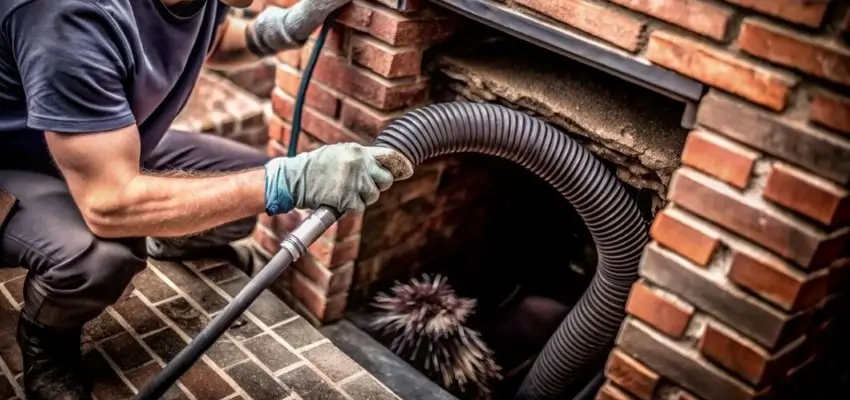
Less smoky smell, steadier flames: Chimney Cleaning around Chilliwack

Chimney Sweep visits that leave Chilliwack living rooms clean
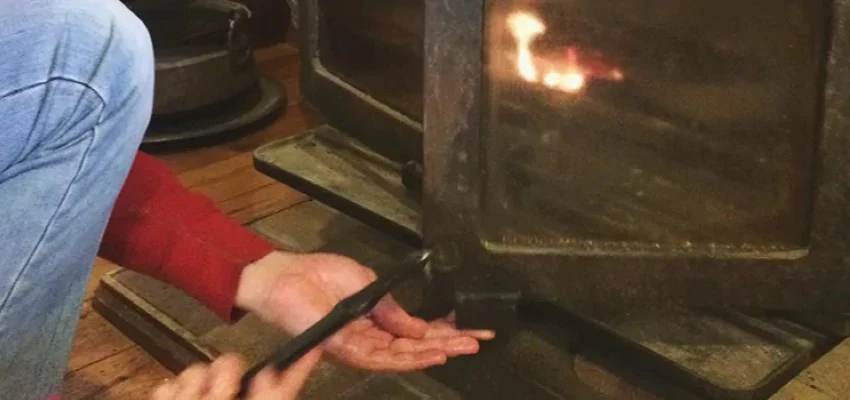
Swept and checked: Chimney Sweep Services in Chilliwack

What Fireplace Experts check in your Chilliwack chimney
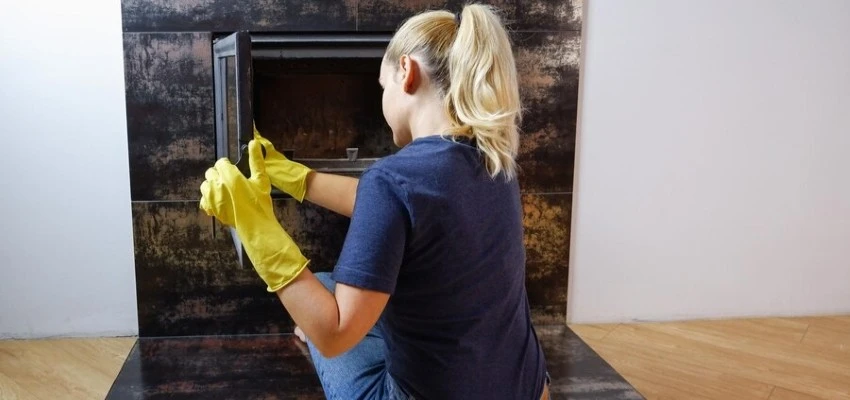
Hazy glass and dusty logs? Gas Fireplace Cleaning in Chilliwack
Catch a weak thermocouple early with Gas Fireplace Maintenance

