
Fireplace work sits where looks and safety meet. A new surround has to cope with heat, a repaired firebox has to contain fire and every change has to leave the smoke a clear path out. If “fireplace refacing” brought you here, the following answers give homeowners in Chilliwack a grounded view of surround and hearth refacing: what is involved, what can go wrong when corners are cut and how to prepare for a smooth job.
The line we draw is between the parts you see and the parts that handle fire and smoke. Remodeling deals with surfaces and fuel: tile, stone, mantels, surrounds and conversions. Repair deals with the working core: the firebox, the throat and damper, the smoke chamber and the metal components that seal or protect them. On real jobs the two often overlap. Pull off an old surround and you may find gaps that let heat reach framing; open the damper and you may find a crumbling smoke shelf. We sort each finding into must-fix and nice-to-have so you can plan sensibly.
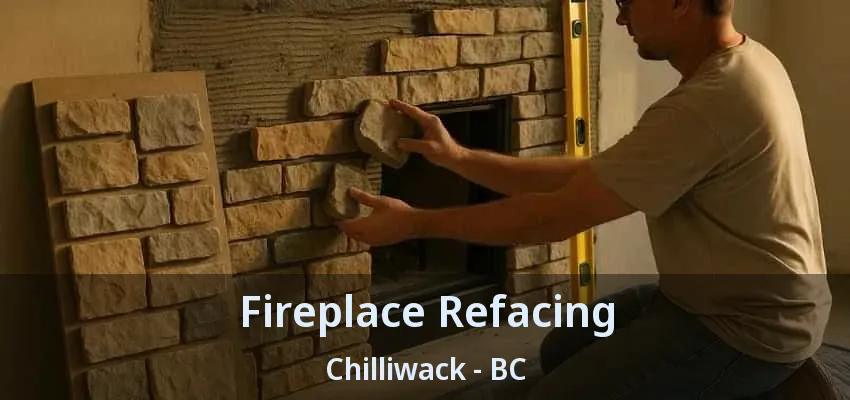
Fireplace refacing means covering or replacing the visible face around the opening, the surround and often the hearth, without changing the firebox or chimney behind it. It is a way to update a dated brick, tile or stone fireplace in a matter of days rather than rebuilding it. New materials can go over sound existing brick or replace it where needed. Homeowners searching for “fireplace refacing” usually want a modern or cleaner look, and refacing delivers that as long as the working parts behind the new face are healthy, which an inspection should confirm first.
Common refacing materials include natural or manufactured stone veneer, ceramic and porcelain tile, thin brick, plaster or stucco finishes and painted or limewashed existing brick. The area right around the opening needs noncombustible materials suited to the heat, while wood trim and mantels must sit farther back, as the fireplace manufacturer or local rules require. Each material affects weight, cost and upkeep: natural stone is heavy and may need extra support, tile is easy to clean and paint is the quickest refresh. Samples viewed in your own room’s light make the choice easier.
Yes, and doing both at once usually gives a more unified look. A hearth can be covered with tile, stone slab or thin brick, or rebuilt as a raised or extended hearth. The material must be noncombustible and able to cope with heat and the occasional dropped log or ember. Watch the height change: adding thickness to a floor-level hearth can create a small step that is easy to trip on, while a raised hearth may need new support underneath. The hearth extension in front of a wood-burning fireplace also has to keep its protective depth. Ask about these details when planning surround and hearth refacing.
Often, yes. Sound, clean brick can usually take tile, thin stone or a plaster finish directly, once it is cleaned, any loose mortar is repaired and a bonding layer or backer is added where needed. Painted or glazed brick may need extra preparation so new adhesive grips. Heavy natural stone may need support at the base or ties into the wall. Tearing out the old surround is necessary when the brick is crumbling, badly out of plumb or hiding damage. A contractor should check the surface first and explain whether an overlay or removal makes more sense for your fireplace.

An inspection comes first because it shows whether the fireplace is safe to use and sound enough for the planned work, so you do not spend money on a new face over a failing core. A technician typically checks the firebox walls and floor, the damper and throat, the smoke chamber, the flue and the clearances around the opening, often with a camera for the hidden parts. If problems turn up, they can be fixed before finishes go on, when access is easiest. It is a sensible routine on its own too: many homeowners have the fireplace and chimney inspected once a year.
It depends on where you live and what the work involves. Purely cosmetic changes, such as painting brick or swapping a mantel shelf, often need no permit, while gas line work, installing a new insert or fireplace, changes to the chimney or structural masonry frequently do. Rules differ from one municipality to the next, so check with your local building department or ask the contractor to confirm. A professional company should know the local requirements and tell you whether it will arrange the permit and inspection or whether that falls to you. Get that answer in writing before work begins.
Ask the contractor for a specific date, because it depends on the materials used. Mortar, refractory cement and some adhesives need time to cure before they face heat, and lighting a fire too soon can crack fresh joints or loosen new finishes. After masonry work, the first fires are usually kept small to drive out remaining moisture gradually. Gas conversions are tested by the installer before handover. Keep the first few fires modest, watch for smoke in the room and make sure your smoke and carbon monoxide alarms work.
Knowing the area saves time on almost every fireplace job. In older and newer neighborhoods alike, we see the same brick styles, the same original dampers and the same surround materials again and again, so we can often predict what is behind a finish before it comes off. We also know which suppliers stock matching brick, stone and refractory materials and how long their orders take. Projects that need several visits, with curing time in between, run more smoothly when the crew is close by. And if a question comes up after the work, you can reach us directly.

Tenants rely on things working, and owners want clear records. We coordinate access, keep the visit short where we can and send a plain summary afterward. Request surround and hearth refacing for your property and tell us how to reach the occupants.
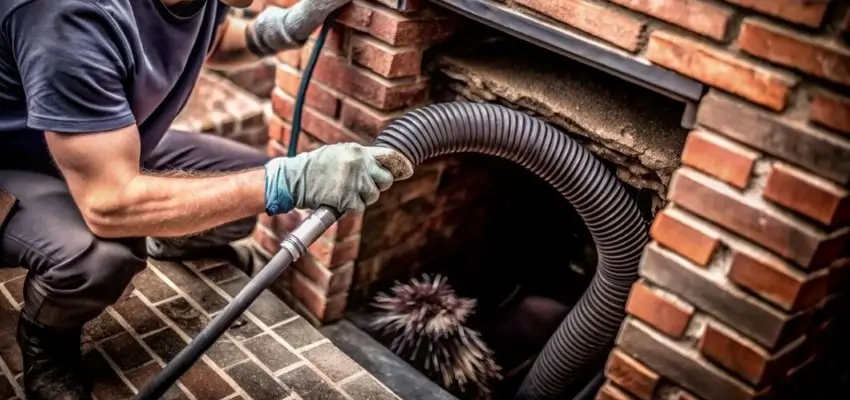
Less smoky smell, steadier flames: Chimney Cleaning around Chilliwack
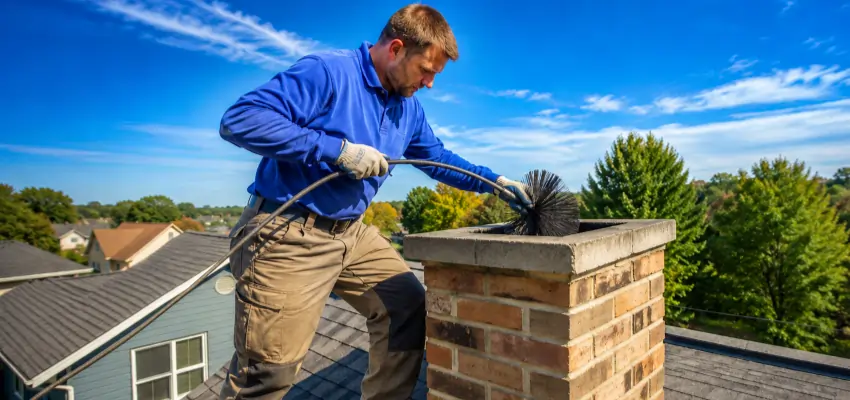
Chimney Sweep visits that leave Chilliwack living rooms clean
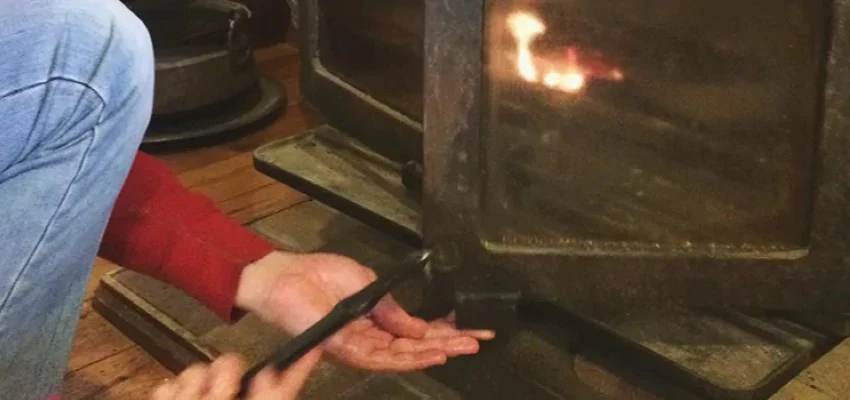
Swept and checked: Chimney Sweep Services in Chilliwack
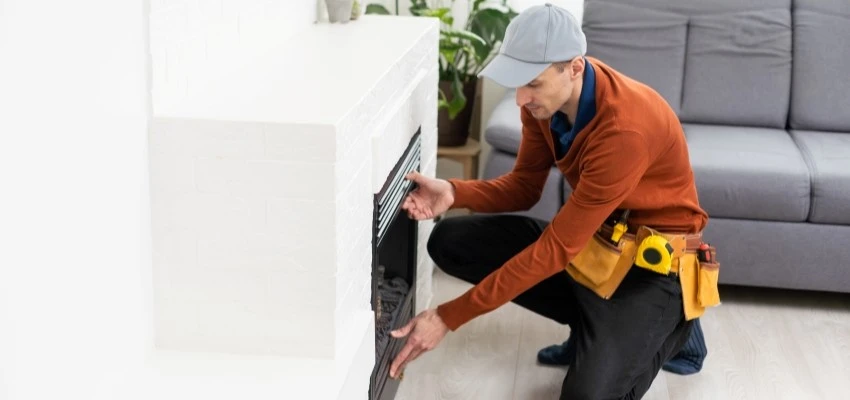
What Fireplace Experts check in your Chilliwack chimney
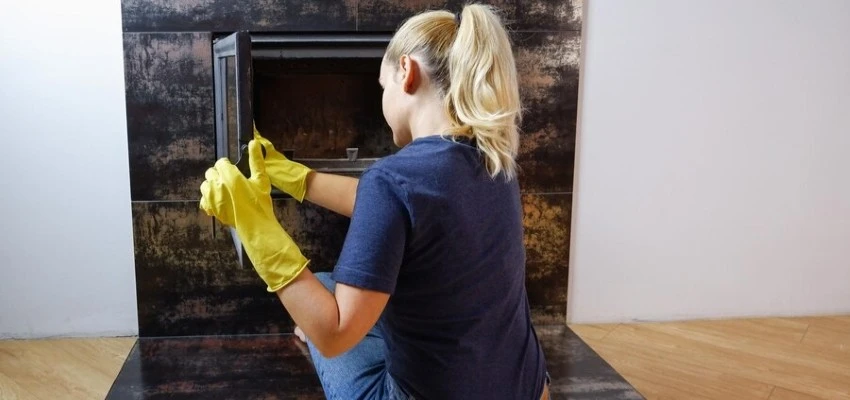
Hazy glass and dusty logs? Gas Fireplace Cleaning in Chilliwack
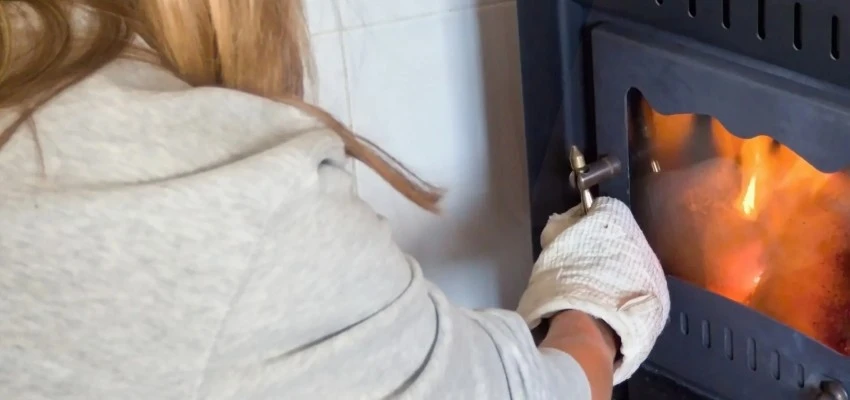
Catch a weak thermocouple early with Gas Fireplace Maintenance

