
A hazy room after the last fire, a campfire smell on a warm afternoon, a brick that wobbles when you touch it: small things like these send many homeowners in Chilliwack looking for “fireplace repair”. Sometimes they mean nothing serious, and sometimes they are an early warning. The answers on this page explain fireplace repair clearly, so you can tell the difference and decide what your fireplace needs.
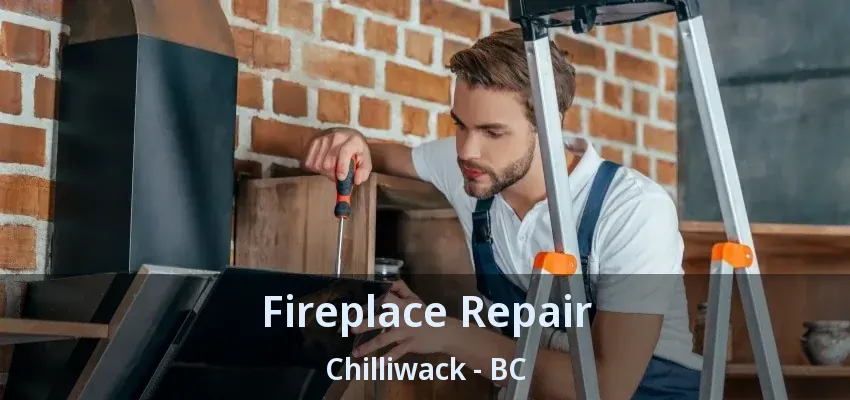
Repair work covers the parts that hold and guide the fire: the firebox and its firebrick, the mortar joints, the damper, the smoke chamber above it, the hearth and surround, and fittings such as glass doors and screens. Many companies also handle the chimney top, including the cap and crown, since water entering there often causes damage below. Factory-built units have their own parts, such as refractory panels and metal flue sections. When you book fireplace repair, describe what you have noticed so the visit focuses on the right area from the start.
Our rule of thumb is to repair what is wearing and replace what is failing. Worn parts are expected after many fires: joints that need repointing, a damper handle that seized, a door rope that no longer seals. Failing parts are another matter. A stove top cracked from overfiring, a prefabricated firebox with burned-through panels and no parts available, or a chimney that needs rebuilding along with the fireplace all push the math toward replacement. Some owners of old masonry fireplaces choose a wood insert instead, which reuses the chimney while giving a tighter, more controllable fire.
You know it is time when the flue shows visible buildup or the fire starts behaving differently. With everything cold, shine a flashlight up past the open damper or into the stove outlet: a layer of soot or creosote that you can scrape with a poker is a common sign. Other clues include fires that are harder to start or keep going, smoke lingering in the room, a strong smoky smell, black flakes falling onto the hearth and stove glass that darkens quickly. If nobody remembers the last cleaning, that alone is a good reason to book one.
A chimney fire often announces itself with a loud roaring or rumbling sound, popping and cracking noises, thick smoke and a strong, hot smell, sometimes with flames or sparks shooting from the top. If you notice these, get everyone out of the house and call the fire department from outside. Not every chimney fire is dramatic, though. Slow-burning ones can go unnoticed and leave quieter clues: flaky, puffed-up creosote, a warped damper or cap, cracked flue tiles and debris on the roof or ground. After any suspected chimney fire, have the system inspected before it is used again.
A firebox rebuild, the step taken once patching can no longer keep up, means removing the worn firebrick and mortar and laying new firebrick with refractory mortar made for high heat. It is usually recommended when many bricks are cracked, loose or crumbling, when gaps run through the back or side walls, or when earlier patches have failed. The work is done from inside the opening, with the room protected from dust. Afterward, the mortar needs time to cure before the first fire, and the first few fires should be small. Done properly, a rebuilt firebox can handle many seasons of regular use.

In most cases, yes. Firebox, damper and smoke chamber repairs are done through the fireplace opening, and chimney top work is done from the roof, so the surround and mantel usually stay where they are. The surround comes off only when the damage sits behind it, such as a cracked hearth slab, heat-damaged framing or a gap between the firebox and the facing that cannot be reached otherwise. If someone suggests removing it, ask to see why. Careful fireplace repair work protects the finished surfaces with covers and tape while the job is underway.
The repairs wood-burning fireplaces need most often are replacing damaged firebrick, repointing worn mortar joints, fixing or replacing the damper and repairing the chimney cap or crown. Firebrick cracks and joints erode after many fires, which can let heat reach the surrounding structure. Throat dampers rust, warp or seize, and many are replaced with a damper mounted at the top of the chimney. Caps blow off, and crowns crack and let water in. Hearth tiles, glass doors and screens need attention now and then as well. Most of these jobs are fixed in a single visit.
Repair quotes differ mostly because of scope, materials and access. Scope is the big one: replacing a damper handle and rebuilding a back wall are very different jobs. Materials matter because refractory mortar, firebrick and heat-rated tile are not the same as everyday masonry supplies, and matching a decades-old surround takes searching. Access matters when the problem sits high in the chimney or above a steep roof. When two quotes are far apart, one company is often fixing only the visible symptom while the other also fixes the cause. Asking each to explain what they found usually clears it up.
You can keep things tidy between visits, but the flue is where do-it-yourself efforts fall short. We regularly find chimneys that were brushed from below with a kit that missed the smoke shelf, pushed debris onto a closed damper or knocked soot loose without anyone noticing a cracked tile. Any work on the liner or masonry belongs with a professional. A sensible split is simple: ashes, glass, alarms and firewood are yours; sweeping, inspection and anything structural go to a technician. That division keeps you safe and puts experienced eyes on the parts that matter.

Sometimes the most useful thing is simply knowing whether there is a problem at all. A visit from Chimney Sweep Chilliwack gives you that answer, along with practical advice for keeping things in order. Call (778) 608-3976 to set one up.
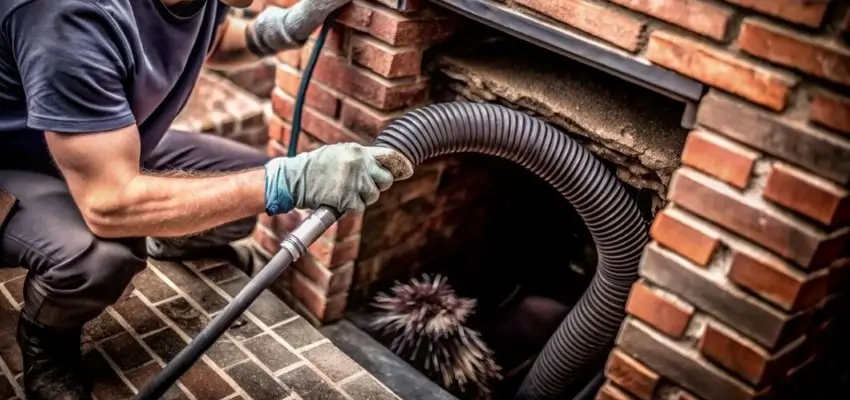
Less smoky smell, steadier flames: Chimney Cleaning around Chilliwack
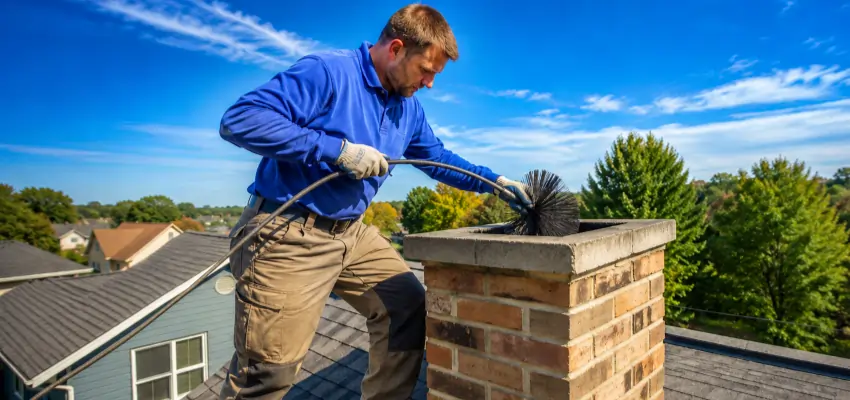
Chimney Sweep visits that leave Chilliwack living rooms clean
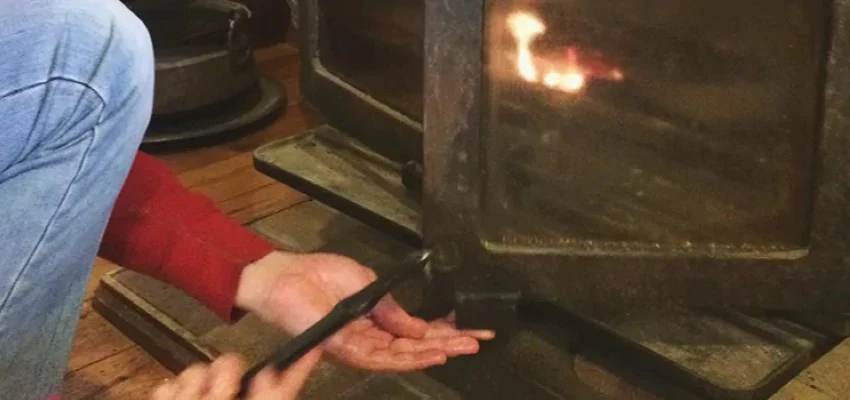
Swept and checked: Chimney Sweep Services in Chilliwack
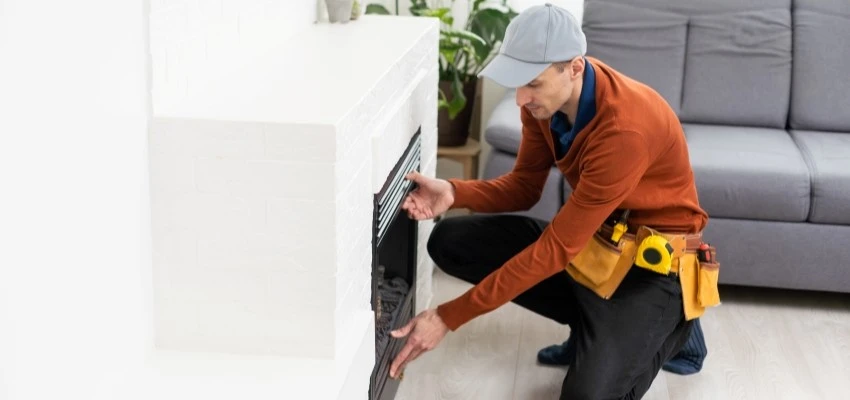
What Fireplace Experts check in your Chilliwack chimney
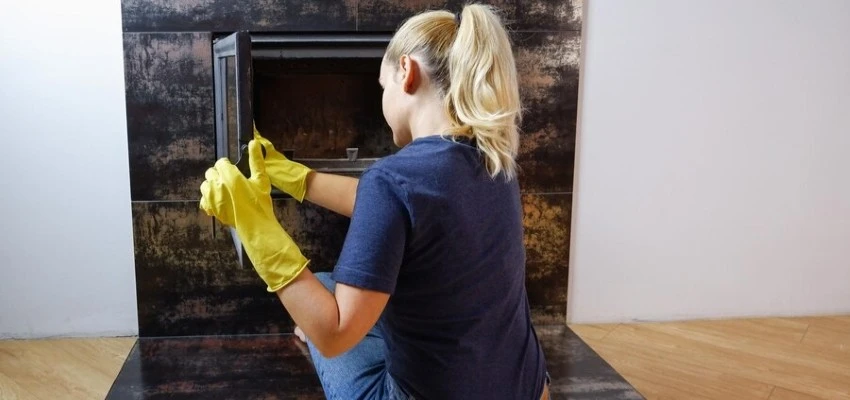
Hazy glass and dusty logs? Gas Fireplace Cleaning in Chilliwack
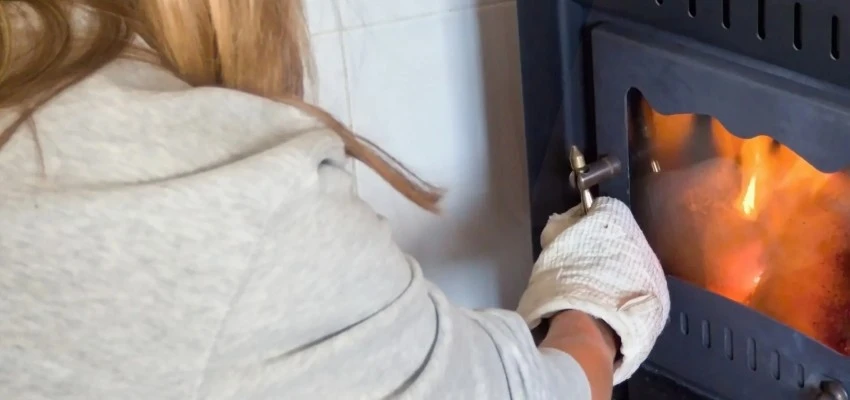
Catch a weak thermocouple early with Gas Fireplace Maintenance

