
A fireplace or wood stove is part heater, part centerpiece and part exhaust system, and each part needs its own kind of attention. Homeowners in Chilliwack who search for “fireplace sweep” often start with one problem and discover that the whole picture matters. Here you will find straightforward answers about fireplace sweeping, from the basics of creosote and drafts to choosing who works on your home. Dip into whichever answers match your situation.

A wood-burning fireplace or stove needs regular care because every fire leaves residue behind, and that residue builds up where you cannot see it. Smoke cools as it rises and coats the flue with soot and creosote, which narrows the passage and can catch fire. Heat also slowly wears down mortar, firebrick, door seals and metal parts. Left alone for years, those small changes add up to poor drafts, smoky rooms and costly repairs. A yearly check, plus a sweep when buildup calls for it, keeps the fire drawing well and catches problems while they are still minor. Working smoke and carbon monoxide alarms complete the picture.
The term usually refers to cleaning the chimney flue above a fireplace, and sometimes to the person who does it. The work removes soot and creosote from the flue, the smoke chamber and the smoke shelf, then clears the firebox below. Many people search for “fireplace sweep” when they mean a chimney cleaning, and the two are essentially the same job for a wood-burning fireplace. A thorough sweep also includes a look at the damper and cap, since the technician is already examining the whole smoke path.
A proper cleaning includes the chimney, because that is where most of the soot and creosote collects. The firebox or stove interior is cleared of ash and loose debris, but the main work happens in the flue above it, along with the smoke chamber of a fireplace or the pipe that connects a stove. Some quick-clean offers stop at the visible parts, so ask what is included before booking. A complete job also looks at the cap at the top, works the damper and finishes with a vacuumed hearth, so the whole path the smoke travels has been covered.
The signs fall into two groups: what you hear during the fire and what we find after it. A fast chimney fire is often described as sounding like a freight train or a jet engine, with popping as tiles and deposits heat up. In that moment, the only job is to leave the house and call the fire department. Afterward, we look for creosote that has swelled into a honeycomb texture, discolored or distorted metal, cracked liner sections and stains where smoke escaped through gaps. Those clues matter because a quiet chimney fire can damage a flue without anyone noticing.
Not usually in one pass. Glazed creosote is a hard, shiny coating that standard brushes tend to skate over. Removing it may take rotary tools with chains or carbide heads, chemical products that change the glaze into a brittle form that can be brushed off, or several visits spaced over a season. The approach depends on the flue type and condition, since aggressive tools can damage a weak liner. If a technician finds glaze during a “fireplace sweep” visit, expect a conversation about options, cost and why it formed, so it does not build up again.

A smoky odor is handled by removing the creosote and soot that cause it, then stopping air from carrying what remains into the room. A thorough sweep of the flue and firebox is the first step and takes care of most of the smell. After that, a damper that seals properly, a cap that keeps rain off the deposits and glass doors on an open fireplace all help. Some homeowners leave a tray of baking soda or activated charcoal in the cold firebox during warm months to absorb lingering odor. A sharp or rotten smell points to an animal in the flue instead.
Many chimneys can be cleaned from inside, through the fireplace opening or stove, but a complete job often includes a look from the roof as well. Working from below with flexible rods handles plenty of flues, especially with a vacuum holding the dust back. The roof is where the cap, crown, flue top and outside masonry can be checked, and some caps or tight bends make cleaning from the top easier. Technicians only go up when weather and roof conditions allow it safely. Mention steep pitches, fragile roofing or tight ladder space when you book.
Remove ashes only when they are completely cold, using a metal shovel and a metal container with a tight lid. Ashes can hide live embers for several days, so wait well after the last fire and stir them gently to check for warmth. Set the closed container outside on a non-combustible surface, away from the house, decks and anything that burns, and never put ashes in a paper bag, plastic bin or household vacuum. In an open fireplace, a thin bed of ash can help the next fire, while stoves need more regular emptying so air can reach the coals.
The questions that reveal the most are about scope and evidence: what is cleaned, what is inspected, how findings are shared and how extra work is priced. It is also reasonable to ask who will do the work, whether they handle masonry repairs themselves and how long any repair would need before the first fire. Asking how they deal with glazed creosote or a stovepipe that has to come apart shows quickly whether they have done it before. A technician who knows wood-burning systems answers each of these in a sentence or two, without hedging or upselling.
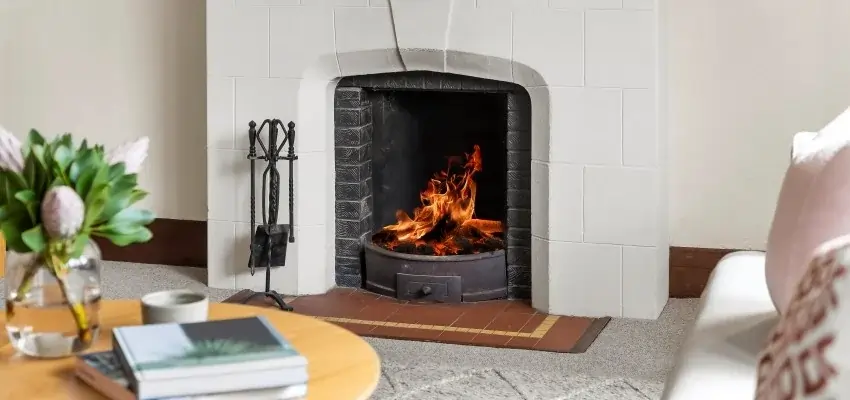
When we know what to expect, we can usually plan everything for a single appointment. Share a few details about your home and your fireplace ahead of time. Plan fireplace sweeping with Chimney Sweep Chilliwack and keep the disruption small.
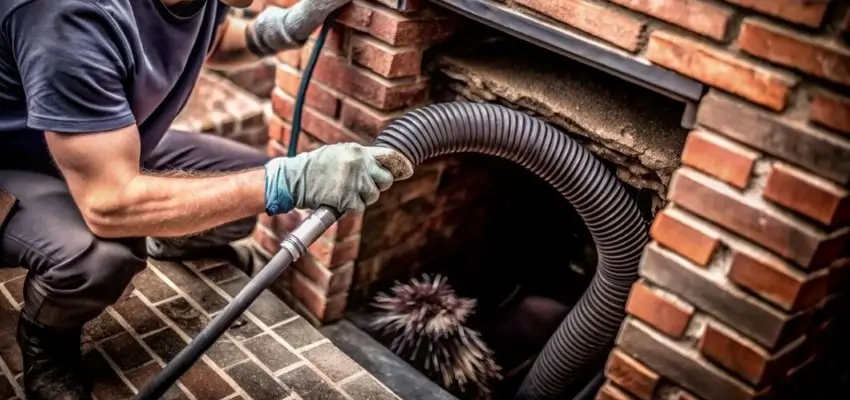
Less smoky smell, steadier flames: Chimney Cleaning around Chilliwack
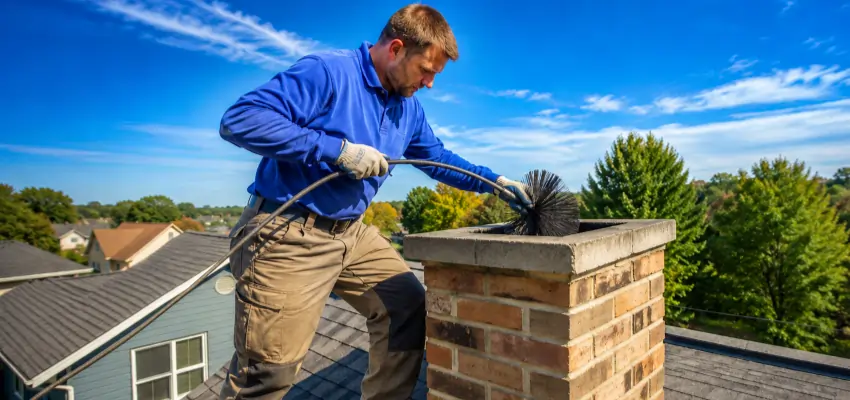
Chimney Sweep visits that leave Chilliwack living rooms clean
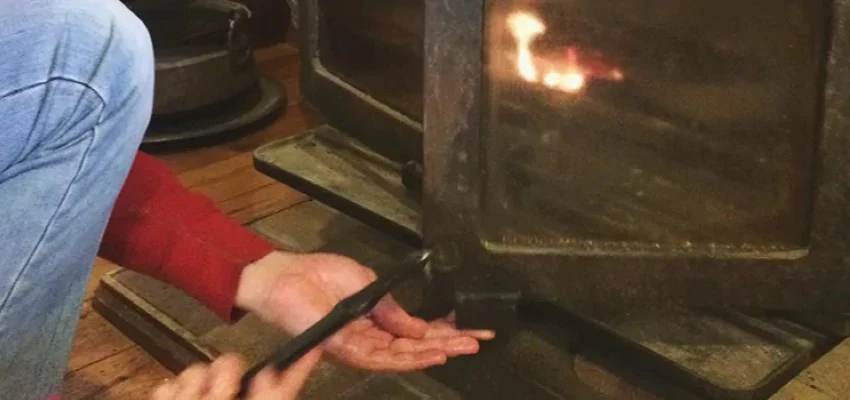
Swept and checked: Chimney Sweep Services in Chilliwack
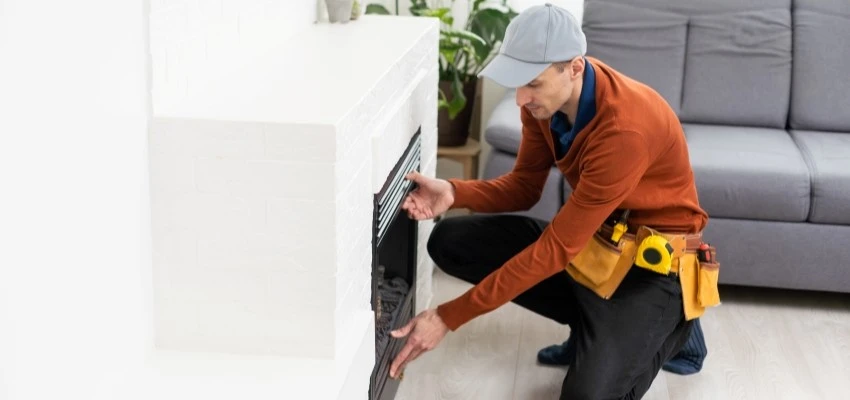
What Fireplace Experts check in your Chilliwack chimney
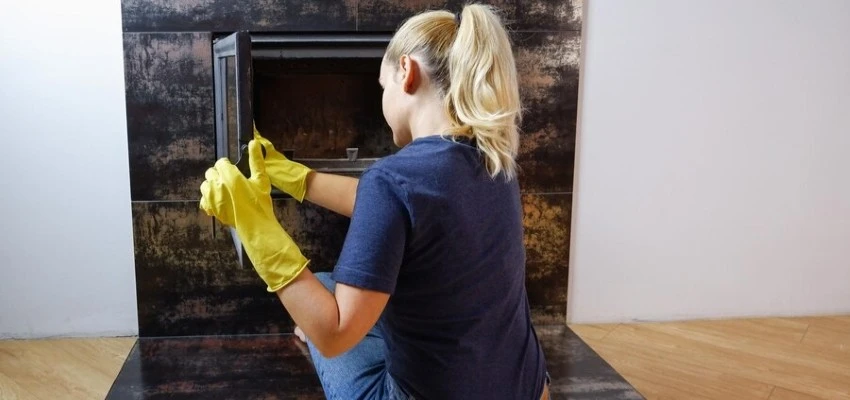
Hazy glass and dusty logs? Gas Fireplace Cleaning in Chilliwack
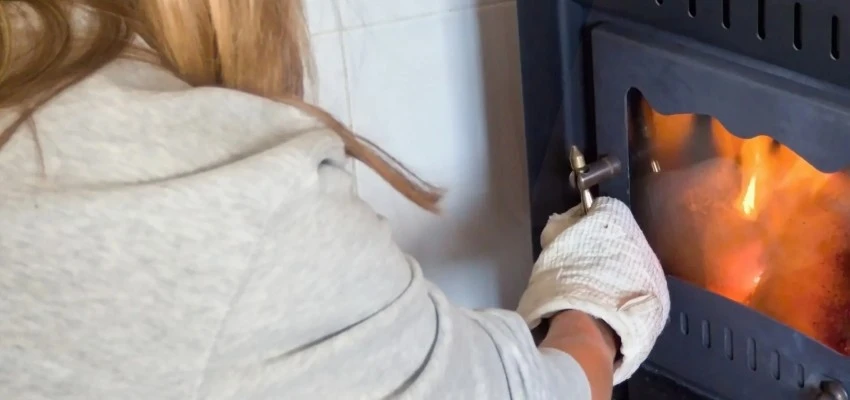
Catch a weak thermocouple early with Gas Fireplace Maintenance

