Not every fireplace needs a big project. Sometimes a few bricks and fresh mortar do the job; sometimes a dated surround is all that stands between you and a room you love. Searching for “fireplace throat services” is a sensible first step toward telling those situations apart. The answers below help homeowners around Chilliwack understand fireplace throat repair, set realistic expectations and decide what their fireplace actually needs.
It is the transition zone between the throat and the flue, and it does more work than most people realize. Shaped like an inverted funnel, it gathers smoke and guides it into the flue opening. When we look up past the damper with a camera, we often find corbelled brick steps, missing mortar or a layer of glazed creosote clinging to rough walls. Those surfaces slow and swirl the smoke, which can push it back into the room and let deposits build. A smooth, sound chamber helps the fireplace draft properly and keeps hot gases away from the house structure.
The throat is the narrow opening at the top of the firebox where smoke leaves the fire and enters the chimney system. In most masonry fireplaces, the damper sits in the throat, and just behind it is the smoke shelf, with the smoke chamber above. The shape of the throat helps the fireplace draft, so damage or poor construction there can cause smoke to spill into the room. People searching for “fireplace throat services” are usually dealing with a damper that sticks, debris on the shelf or crumbling masonry around the opening, all of which are part of throat work.
The smoke shelf is the flat or slightly curved ledge behind the damper, at the base of the smoke chamber. Its shape helps turn back cold downdrafts, but it also catches whatever falls down the chimney: soot, creosote flakes, leaves, nest material, mortar crumbs and rain. A shelf piled with debris can restrict draft, hold moisture against the masonry and, with creosote, add fuel near the fire. It is out of sight from the room, so it gets overlooked. Clearing and checking it is a standard part of fireplace throat repair and of a thorough sweep.
A damper that sticks, will not open or close fully, rattles in the wind or lets cold air and odors into the room when the fireplace is off is usually worn or damaged. Look for rust flakes falling into the firebox, a handle or chain that moves without the plate following, light visible around a closed plate and smoke in the room even with the damper open. Rust, warping from heat and debris lodged on the smoke shelf are the common causes. A damper stuck closed is a safety issue, so do not light a fire until it has been checked.
An inspection comes first because it shows whether the fireplace is safe to use and sound enough for the planned work, so you do not spend money on a new face over a failing core. A technician typically checks the firebox walls and floor, the damper and throat, the smoke chamber, the flue and the clearances around the opening, often with a camera for the hidden parts. If problems turn up, they can be fixed before finishes go on, when access is easiest. It is a sensible routine on its own too: many homeowners have the fireplace and chimney inspected once a year.
A damaged smoke chamber is usually repaired by cleaning it, resetting any loose bricks and coating the walls with a heat-resistant mortar, a process called parging. The coating fills the steps between bricks and seals cracks, leaving a smooth, sloped surface that guides smoke into the flue. The work is done from inside the fireplace and from above with specialized trowels and tools, and the result is checked with a camera. Because the surfaces must be clean for the coating to bond, a sweep comes first. The new surface then needs time to cure before the fireplace is used.
Small repairs, such as replacing a few firebricks or fixing a damper, often take a single visit, while refacing, mantel work or a conversion can take several working days spread over a week or two. Masonry and mortar need time to cure before the fireplace is used, and some finishes must set before the next layer goes on. Ordering stone, tile, a mantel or a gas insert can add weeks before work starts. Ask for a schedule that shows working days, waiting time for curing or materials and the earliest date you can light a fire again.
The ideal start is an empty room around a cold fireplace. We need space to set up dust protection, a route for heavy materials such as stone or a mantel and somewhere to mix or cut outside. Take down pictures or a TV mounted above the opening, since vibration from chipping can loosen them. Let us know about alarms, pets and parking. If a gas line is involved, the gas technician may need access to the meter or the basement. Final finish choices, like grout color or stain, should be settled before day one so the job does not stall.
We give every customer a first-fire date, and it is set by the slowest-curing material in the job. Fresh mortar and refractory products hold water, and heating them too fast turns that water to steam inside the joint, which can crack it before it has hardened. So after firebox, throat or smoke chamber work, we recommend a few small fires before a full one. Tile and stone surrounds have their own adhesive cure times. Gas units are lit and tested on installation day, then left ready to use. Call us if anything looks or smells unusual during those first fires.
Once you know the work is due, the next step is simple. Tell us a little about your fireplace and the days that suit you, and we will suggest a time that works. Request a quote and the Chimney Sweep Chilliwack team will follow up with details.
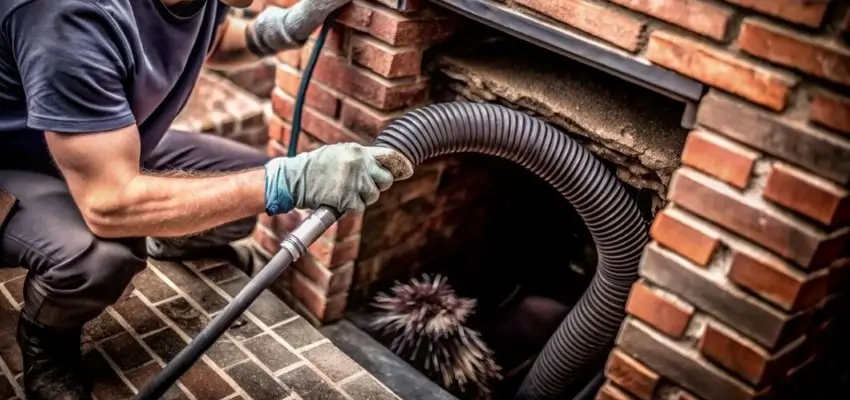
Less smoky smell, steadier flames: Chimney Cleaning around Chilliwack

Chimney Sweep visits that leave Chilliwack living rooms clean
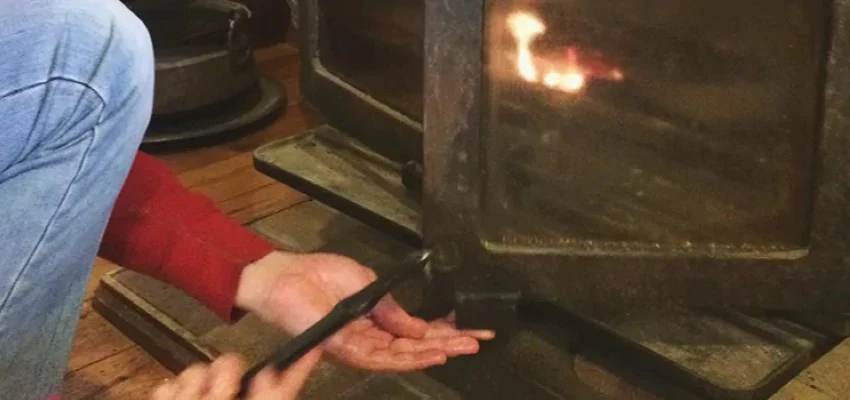
Swept and checked: Chimney Sweep Services in Chilliwack
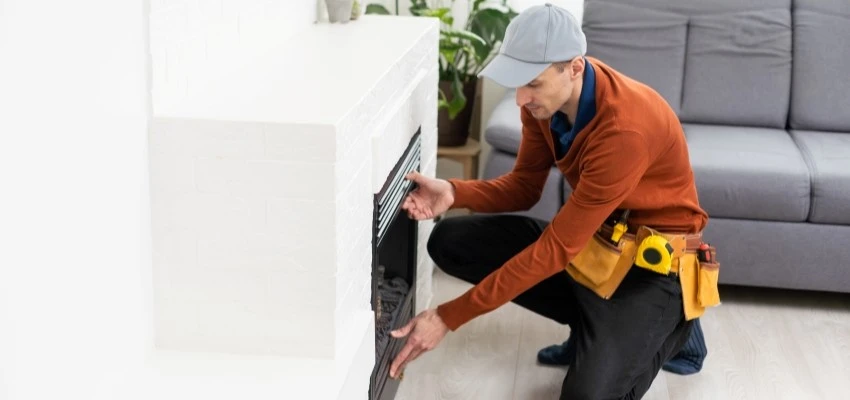
What Fireplace Experts check in your Chilliwack chimney
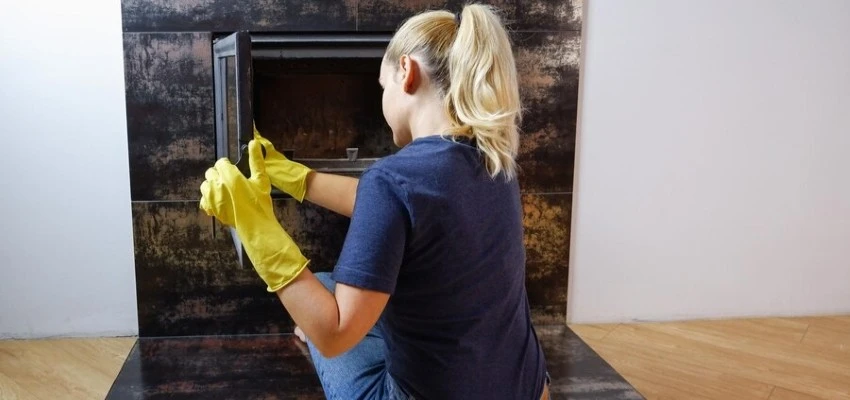
Hazy glass and dusty logs? Gas Fireplace Cleaning in Chilliwack
Catch a weak thermocouple early with Gas Fireplace Maintenance