Chimney care attracts plenty of half-truths: that gas never leaves anything behind, that a roaring fire burns the flue clean, that a sweeping log does the whole job. A search for “flue cleaning” tends to turn up all of them at once. The answers here sort fact from folklore for anyone in Chilliwack with a fireplace, stove or other appliance venting through a chimney, and they explain what flue cleaning can and cannot do for yours.
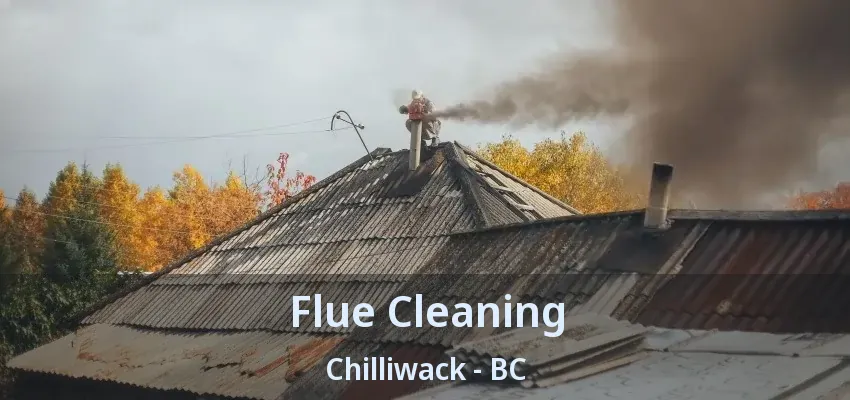
The flue is the passage inside the chimney that smoke and gases actually travel through, while the chimney is the whole structure around it, including the brick or framing, crown and cap. A single chimney can hold several flues side by side, for example one for a fireplace and another for a furnace or water heater. Each flue has its own liner and needs its own cleaning and inspection. When people search for “flue cleaning”, they are usually talking about clearing that inner passage, which is where soot and creosote collect.
Signs of a chimney fire include a loud roaring or popping sound, dense smoke, a strong hot smell and sparks or flames from the top of the chimney, but many chimney fires burn quietly and are only discovered later. Afterward you might notice puffy, honeycomb-like flakes of creosote on the roof or ground, a warped damper or cap, cracked flue tiles or discolored metal. If you think a fire is happening, get everyone outside and call the fire department. If you suspect one happened in the past, stop using the fireplace or stove until the chimney has been inspected.
About an hour covers a typical single flue; when a visit runs longer, the chimney is almost always the reason. Laying drop cloths, setting up the vacuum, sweeping, cleaning the smoke chamber and packing up form the core. A wood stove or insert adds time because pipes and baffles come apart. Steep or slippery roofs slow everything down, since roof safety is not something we rush. Heavy creosote or a camera inspection add more. When we book, a few questions about the appliance and the roof let us give you an arrival time and an honest estimate of how long we will need.
Late spring and summer are often the easiest times to have a chimney swept. The burning season is over, so the flue holds a full year of deposits, and sweeping then clears them before humid weather brings out odors. Appointments are also easier to get than in early fall, when many people remember their chimney at the same moment. Fall still works if you book ahead and leave time for any repairs the visit turns up. Heavy wood burners may add a midwinter check. If something already seems wrong, book right away instead of holding out for a particular month.
Preparing for a chimney visit mostly means letting the fireplace or stove cool and clearing space around it. Skip fires for at least a day beforehand so the ashes and flue are cold. Move furniture, rugs, screens and decorations a few feet back from the hearth, and take fragile items off the mantel. Outside, make sure the technician can reach the roof: unlock gates, move vehicles away from the walls where a ladder may go and keep pets indoors. Note anything unusual you have noticed, such as smells, sounds or smoke, and have the date of the last cleaning handy if you know it.
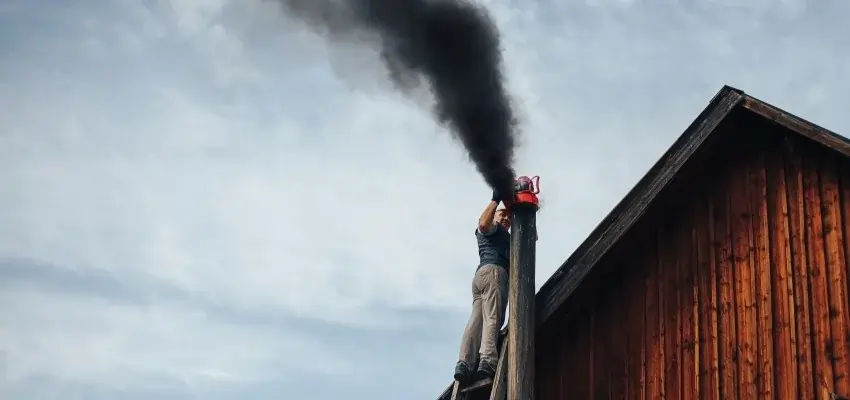
Yes. A flue narrowed by buildup draws less air through the fire, so the fire burns cooler and smokier, which in turn deposits more creosote. With a stove, you may notice it is harder to reach a good operating temperature, the glass blackens quickly and the room takes longer to warm. Open fireplaces may smoke at the front and struggle to stay lit. After flue cleaning, many owners find fires start more easily and burn more steadily, simply because the draft is back to what the appliance was designed for.
You can reduce creosote buildup mostly by burning dry wood in hot, lively fires. Use firewood that has been split and stacked under cover for several months, longer for dense hardwoods, and consider an inexpensive moisture meter to take the guesswork out. Give the fire enough air instead of letting it smolder, and avoid packing a stove full and shutting the air down overnight. Never burn trash, cardboard, painted or pressure-treated wood, or a holiday tree. Smaller, hotter loads leave less behind than big, smoky ones. These habits will not replace sweeping, but they slow the buildup noticeably.
Some owners do sweep their own chimneys, but we see enough DIY mishaps to suggest leaving the flue to a professional. Wire brushes can scratch stainless steel liners, and rods pushed from below without a vacuum spread soot through the room. Falls from roofs are a real risk. Sweeping logs can make loose creosote flakier so it drops more easily, which helps between visits, yet the debris still has to come out and the flue still needs a look. The parts we encourage owners to handle are good burning habits and visual checks; cleaning and inspecting are where trained eyes and proper tools pay off.
Look for a company whose technicians explain what they are doing as they do it; in our experience, that habit says more than any advertisement. Good chimney work is mostly visible only to the person on the roof, so the way a company shares photos, measurements and findings is your window into its standards. Ask how it protects floors and furniture, whether a camera check is included and who will actually come. Notice whether it separates urgent issues from ones that can wait. How a company handles your first phone call tends to match how it will handle your chimney.
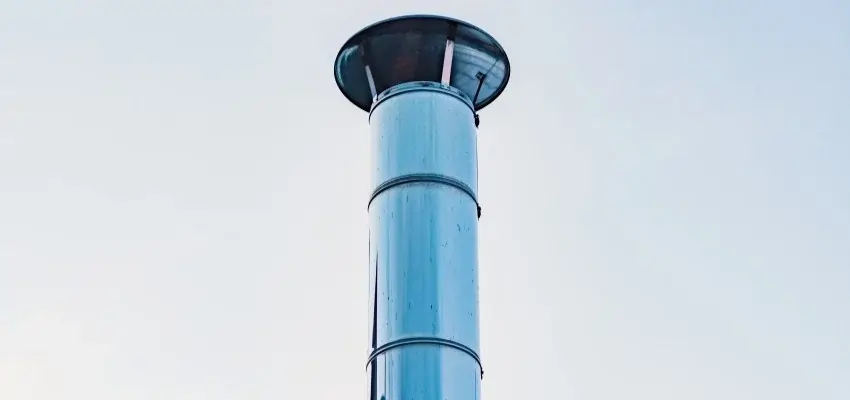
The quote form takes a minute or two. Add your address in Chilliwack, a line about what you need and how you would like us to reach you. Fill in the form and we will get back to you with a price and the next available times for flue cleaning.
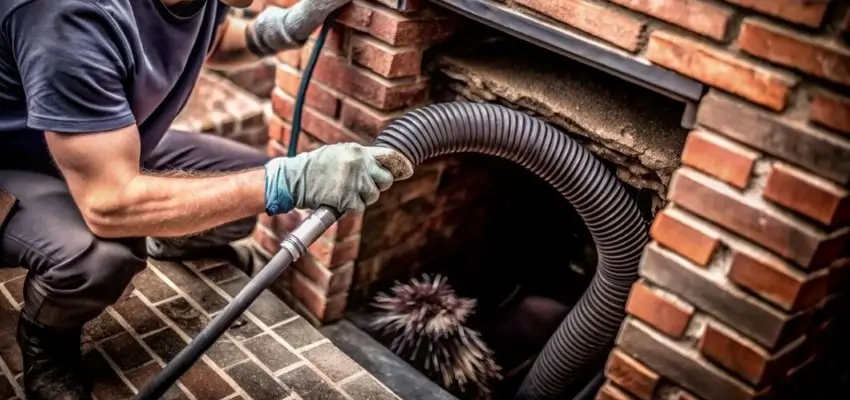
Less smoky smell, steadier flames: Chimney Cleaning around Chilliwack
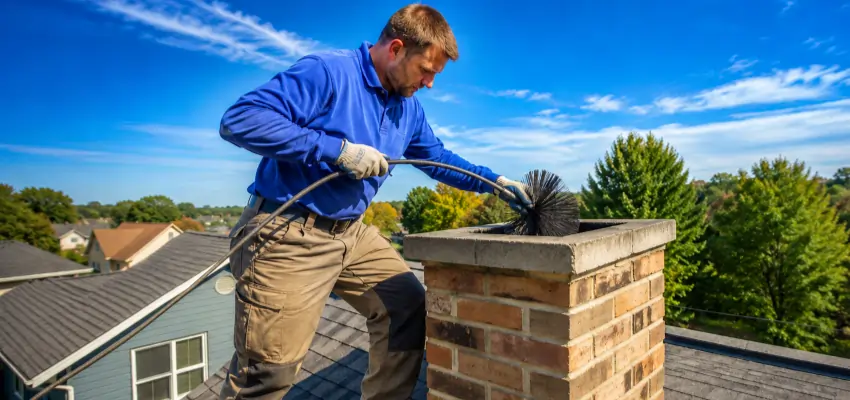
Chimney Sweep visits that leave Chilliwack living rooms clean
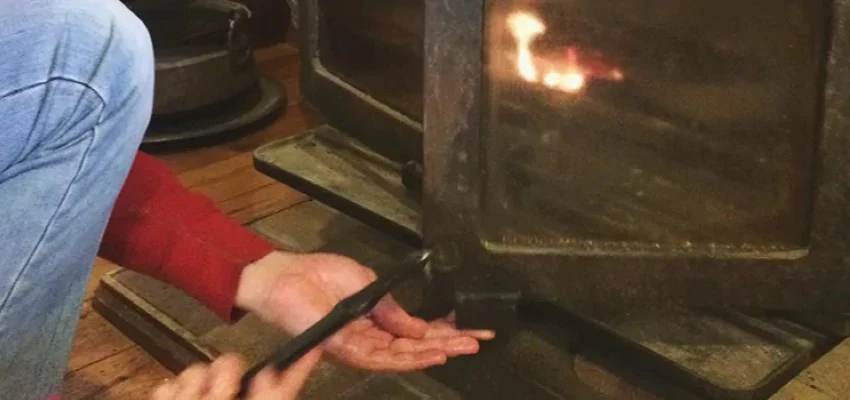
Swept and checked: Chimney Sweep Services in Chilliwack
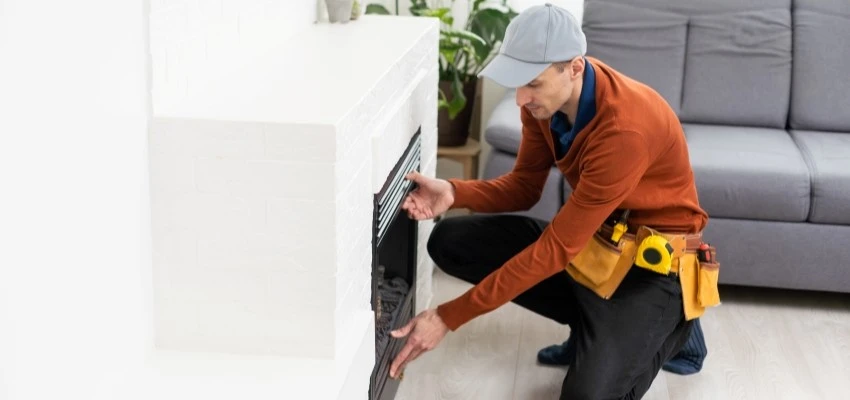
What Fireplace Experts check in your Chilliwack chimney
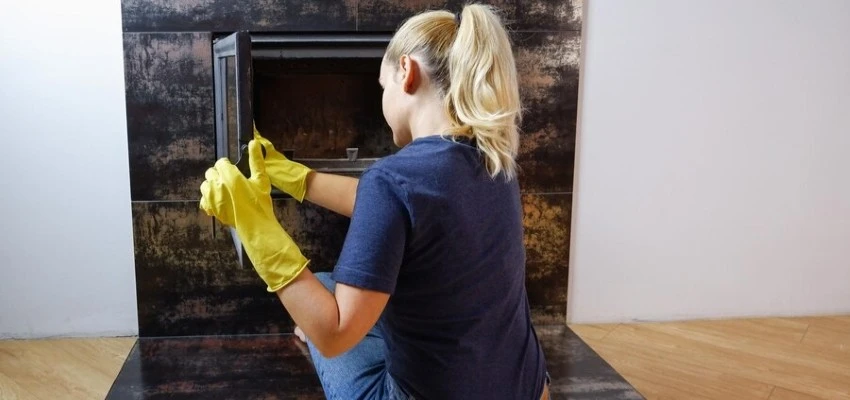
Hazy glass and dusty logs? Gas Fireplace Cleaning in Chilliwack
Catch a weak thermocouple early with Gas Fireplace Maintenance