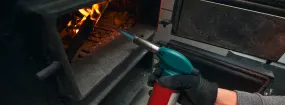
Gas appliances reward a careful approach, and a fireplace is no exception. Most problems turn out to be minor, yet a few signs call for stepping back and letting a qualified gas technician take over. This page was written for homeowners in Chilliwack who searched for “gas fireplace maintenance” and want straight information before deciding what to do next. It explains how annual gas fireplace service works, which checks are safe for you and which jobs belong to a professional.
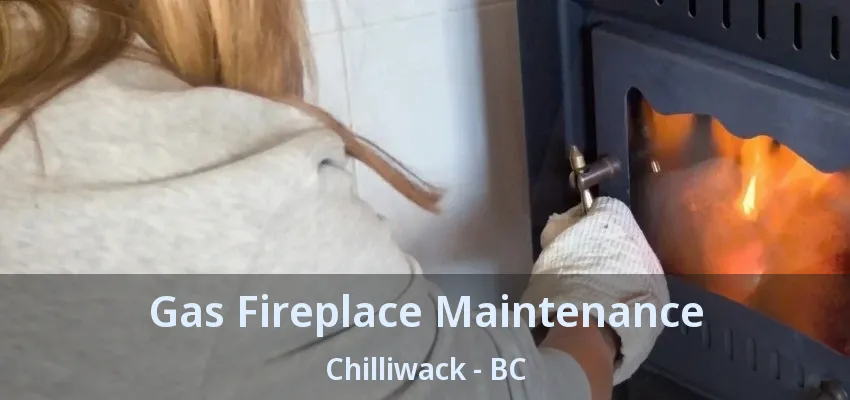
Most remotes that stop working have a simple cause, usually power or pairing, and remote complaints are among the most frequent calls we get. Receivers are often tucked into the warm space under the firebox, and their batteries drain faster there than people expect. A handheld that was dropped, or fresh batteries inserted the wrong way round, can also lose its link. We check battery voltage at both ends, confirm the receiver switch setting and resynchronize the pair. If that fails, we test whether the valve responds when the receiver is bypassed, which tells us whether the fault lies in the remote system or in the fireplace itself. Sometimes a worn receiver simply needs replacing.
Gas fireplace logs should be arranged exactly as the manufacturer’s diagram shows, because each log is shaped and placed to sit clear of specific burner ports. The diagram is usually in the owner’s manual, and many logs have notches or pins that match marks on the grate. Moving a log even slightly can push flames into it, which leads to soot and poor burning. The same goes for embers and decorative media: a thin layer in the right spots looks good, while too much can block the gas flow. If a log is cracked, crumbling or missing, ask for a replacement made for your model.
Late summer is the window we suggest most often, because the fall rush is real in our line of work. As soon as the weather turns, calls about pilots and remotes multiply and appointment slots fill faster. Homeowners who book in late summer usually get the time they want and have the fireplace ready before they need it. We also like spring visits for fireplaces that saw heavy use, because problems noticed during the winter are still fresh in everyone’s mind. In milder climates a fireplace may only run on a handful of evenings, but a yearly visit at a quieter time still keeps it dependable.
The outdoor vent cap is the one most people forget, because it is out of sight. Nests, overgrown shrubs, stacked firewood or a new deck can all crowd it. Receiver batteries are another, since they hide behind the lower panel and fail without warning. Carbon monoxide alarms have a replacement date printed on them that often slips by. Gaskets, embers and log placement only get attention when someone looks closely, which is why the yearly visit matters. Keeping a short checklist with your “gas fireplace maintenance” records makes these easier to remember.
A routine gas fireplace service usually takes about an hour, sometimes a little longer for a large unit or one that has not been cleaned in years. Repairs vary more. A simple part swap may fit into the same visit, an intermittent fault can take longer to track down, and a part that has to be ordered means a second appointment. The fireplace also needs time to cool before the glass can come off, so if it has been running, switch it off well before the technician arrives. Plan to be home for the whole visit and for the final test run.
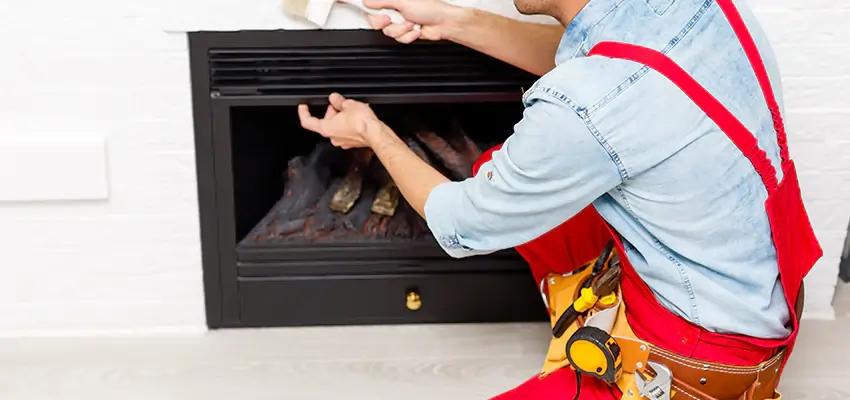
Alarms belong near bedrooms and on every floor, and we ask about them at nearly every gas fireplace visit because they are the only reliable way to know if exhaust ends up indoors. A well-kept, properly vented fireplace should not cause a problem, but vents can be blocked by nests and seals can fail without warning. In the homes we visit, the gaps we see most are alarms missing from bedroom hallways, units with dead batteries and alarms well past their replacement date. Pressing the test button once a month takes seconds. Combination smoke and carbon monoxide alarms are a convenient choice where only one device fits.
A simple routine splits the year into a few small habits and one professional visit. Before the cooler months, book the yearly service, replace remote and receiver batteries and test your carbon monoxide alarms. During the season, glance at the flames and glass now and then, keep the hearth area clear and vacuum the outside louvers once or twice. In spring, look at the outdoor vent cap for nests or overgrown plants and note anything that seemed off during the winter. That rhythm keeps “gas fireplace maintenance” manageable, and most of it takes only minutes.
Fireplace glass gets as hot as the firebox it seals, which is hot enough to burn skin on contact. On the job we are careful to let it cool before touching it, and we encourage families to treat it the same way. If your fireplace has a barrier screen, keep it on; if it does not, ask whether the manufacturer offers one that fits. We also notice what sits nearby: rugs, toy bins and dog beds pushed up against the hearth are common. A clear zone in front of the glass protects people and pets as well as the room itself.
Choose by listening closely to the first phone call, because technicians worth hiring tend to reveal themselves before they ever arrive. On the phone they ask about the fuel, the ignition type and what the fireplace is doing, rather than quoting blind. They describe the visit step by step, bring up the leak check without being asked and mention carbon monoxide alarms out of habit. At your home, they show you what they found and separate urgent items from things that can wait. Patience with your questions on that first call is usually a fair preview of how carefully the work itself will be done.
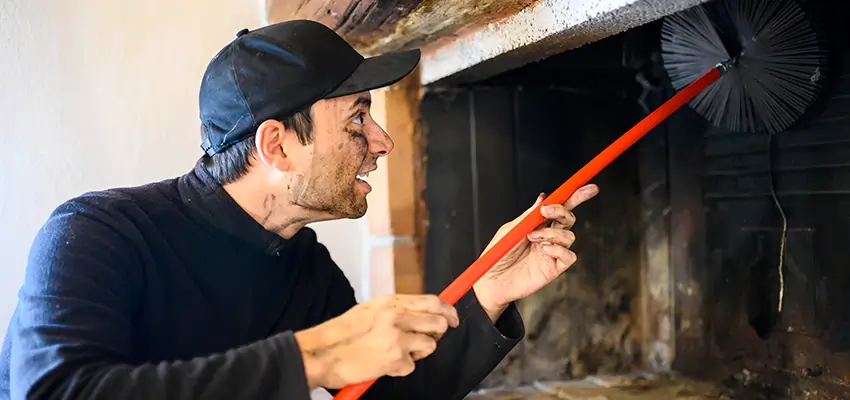
Not every issue makes a noise or a smell before it grows. A routine look at your gas fireplace is the simplest way to find out where things stand. Call (778) 608-3976 and book annual gas fireplace service with the Chimney Sweep Chilliwack team.
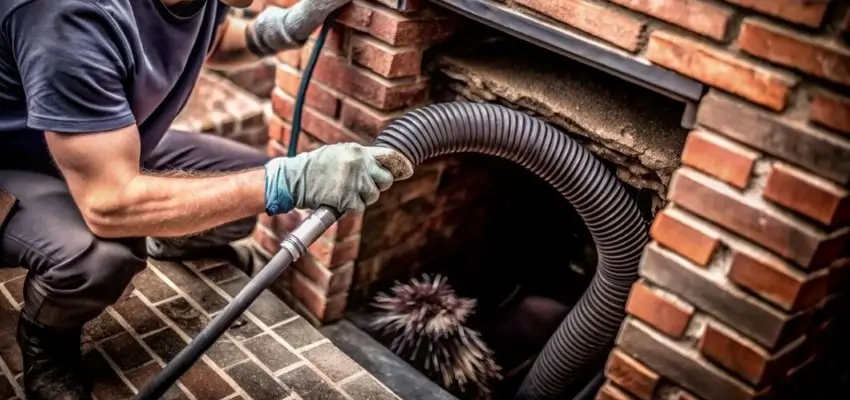
Less smoky smell, steadier flames: Chimney Cleaning around Chilliwack
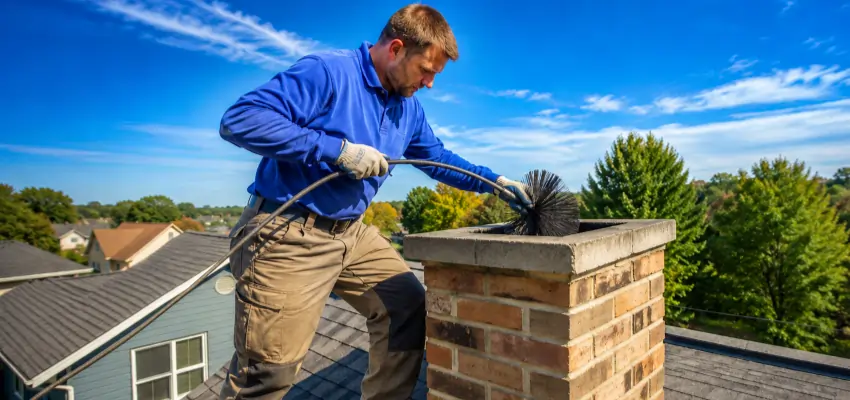
Chimney Sweep visits that leave Chilliwack living rooms clean
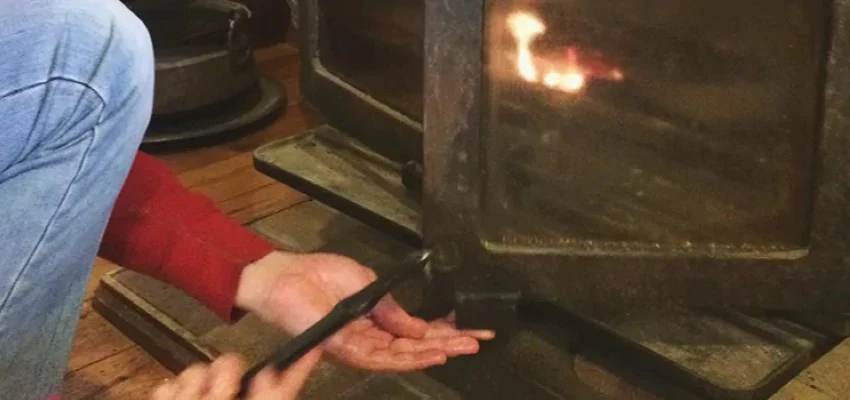
Swept and checked: Chimney Sweep Services in Chilliwack
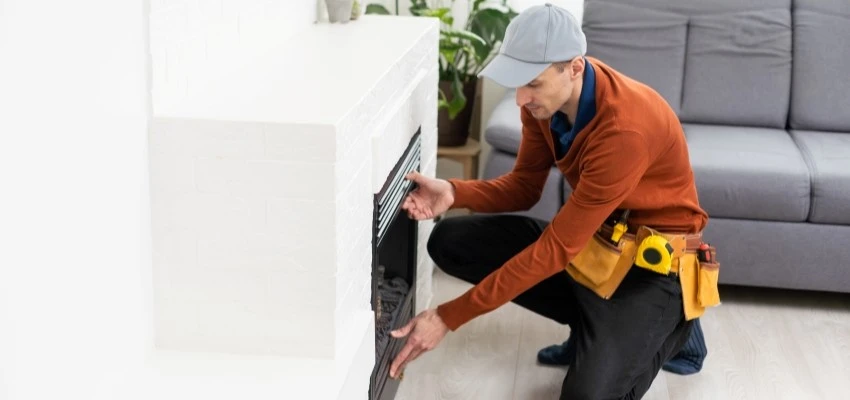
What Fireplace Experts check in your Chilliwack chimney
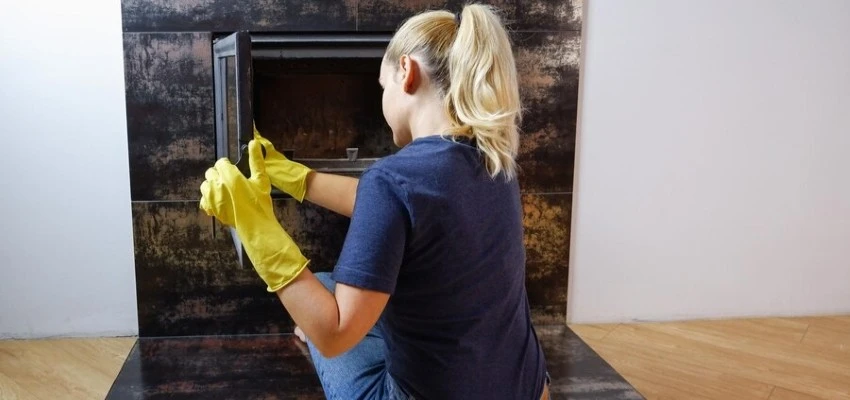
Hazy glass and dusty logs? Gas Fireplace Cleaning in Chilliwack
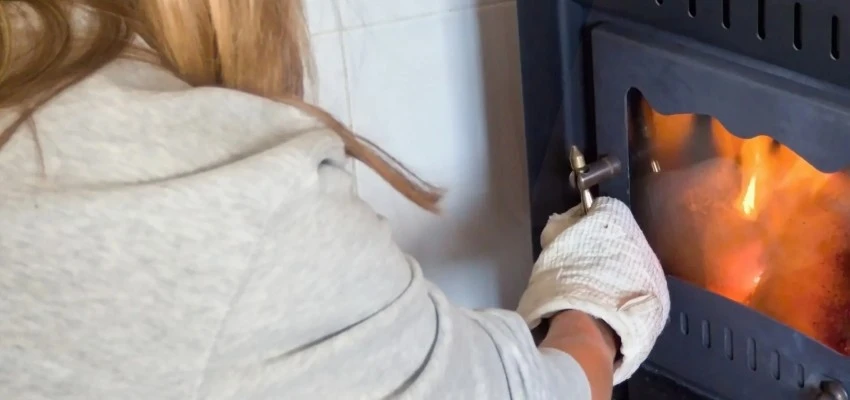
Catch a weak thermocouple early with Gas Fireplace Maintenance