
Looking after a chimney comes down to a few ideas that are easy to grasp once someone lays them out. Every answer below leads with the point and then gives the reasoning, so you can read one or all of them. It is written for anyone in Chilliwack who arrived after searching “industrial chimney services” and wants to understand industrial chimney maintenance well enough to ask good questions and spot a vague answer.
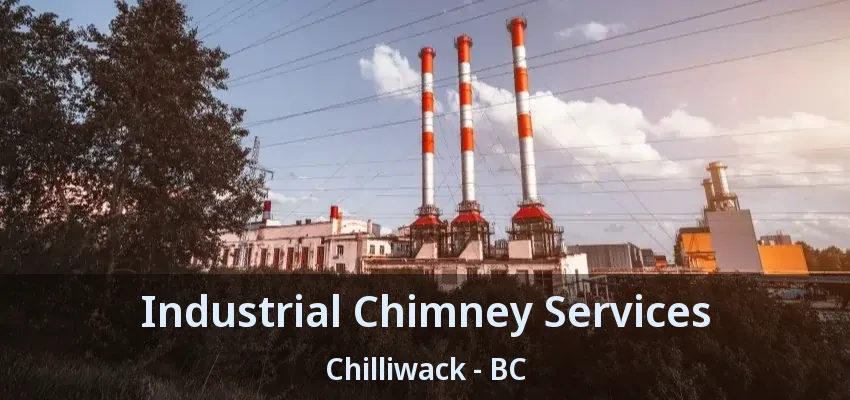
From our side, commercial work covers the same kinds of flues we see in homes plus several that only businesses have: pizza and bread ovens that burn wood, banks of fireplaces in a lodge and boiler stacks heating a whole building. What changes is scale and record keeping. A building may have a dozen flues that need labeling so each one is tracked separately, and managers usually want photos and dated reports for their files. Access takes more planning as well, since a commercial roof can involve hatches, parapets or heights a house never does. The core job is still clearing deposits and checking condition.
Black flakes dropping from the damper, a sluggish fire and a campfire smell that hangs around are the signs we see most, and any owner can spot them. When we open a damper and a shower of debris comes down, the flue is overdue. A fire that sulks, needs constant coaxing or leaves a haze in the room tells us the draft is restricted somewhere. A sharp odor long after the last fire usually comes from deposits in the flue. We also ask about the calendar: if nobody remembers when the chimney was last swept, that alone is reason enough to book a look before the next fire.
Tall stacks are inspected from the ground, the top and sometimes the inside, depending on their height and design. Ground surveys with binoculars and cameras look for cracking, leaning or loose material. Access to the top may involve lifts, scaffolding or rope access, and some providers use drones for a first look. Inside, cameras lowered from the top or entered through a cleanout door show the condition of the lining. Findings are usually documented with photos and measurements so they can be compared at the next visit. Ask any industrial chimney maintenance provider which of these methods it uses and what it subcontracts.
Commercial chimneys are cleaned on a schedule set by how hard they work: a busy wood-fired oven may need attention every month or two, while boiler flues and seasonal fireplaces are often checked once a year. Kitchens that burn wood daily build deposits quickly, so many have the flue inspected frequently and swept as needed. Hotel, lodge and apartment fireplaces used through the colder months usually follow a yearly inspection and sweep. Boiler and furnace flues are commonly checked alongside the appliance service. Your building owner, property manager or local fire officials may set additional expectations, so ask them as well.
A cold firebox and a bare hearth help us more than anything else. Clear a few feet of floor for the vacuum and drop cloths, and lift screens and ornaments off the hearth itself. Warm ash is the most common reason a job starts late, since we cannot clean safely until it has cooled. Outside, we need a stable spot near the chimney for the ladder, so mention soft ground, flower beds or a deck that might be in the way. Tell us about alarm systems, a dog that dislikes visitors or a roof that is easier to reach from the back. Those small details save time on the day.
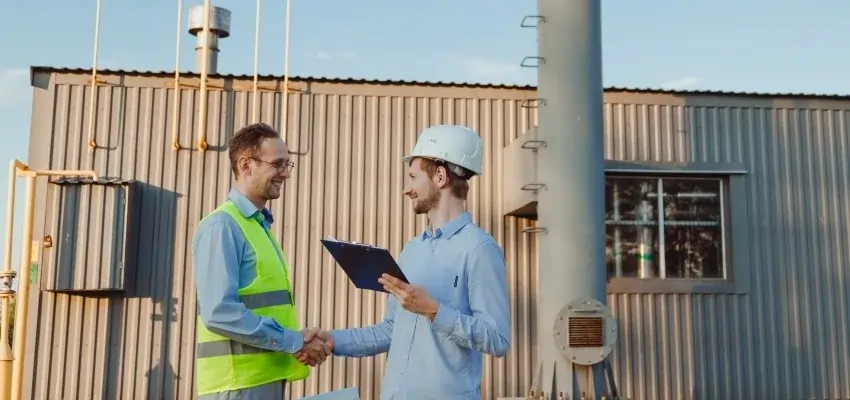
Commercial chimney work is usually scheduled before opening, after closing or during a quieter season, so customers, guests and tenants are disturbed as little as possible. Ovens and fireplaces need to be out and cool beforehand, which for a busy kitchen often means booking the morning after a closed day. Arrange roof access, keys and parking for the service vehicle ahead of time, and let staff or residents know when someone will be on the roof. Buildings with many flues can often be done in stages over several visits. Agree on the order of work and a contact person on site before anything begins.
The equipment the chimney serves must be shut down, isolated and allowed to cool, and the site’s own safety rules have to be agreed in advance. That usually means a planning meeting covering shutdown timing, lockout procedures, access routes, work zones on the ground and who has authority to stop the job. Weather limits for work at height should be set too. Your safety officer may require orientation for the crew. Choosing a provider of “industrial chimney services” that asks about these details unprompted is a good sign it has worked on similar sites.
A business should look for a chimney provider with experience in its type of system, the ability to work around opening hours and clear written records of every visit. Ask which commercial flues the company handles regularly, such as wood-fired ovens, boiler stacks or multi-unit fireplaces, and what access equipment it uses for tall or awkward roofs. Request a sample report to see how findings are documented. Ask whether its own staff do the work or subcontractors, and confirm whatever paperwork your landlord or property manager requires before anyone goes on the roof.
If the sweep finds damage, ask to see it, ask what it means for safety and get a written quote before you agree to anything, since a sound recommendation can always be shown and explained. Photos or camera footage should make the problem clear. Ask whether the fireplace or stove can be used in the meantime, and which repairs are urgent and which can be planned. Common findings include a cracked crown, loose flashing, a rusted damper, a missing cap or cracked flue tiles. For larger jobs, such as relining, a second opinion is reasonable. Avoid deciding under pressure on the doorstep.

We confirm the details of your home, suggest a visit window and explain what industrial chimney maintenance will involve. On the day, the technician checks in before starting and walks you through the results at the end. Get started with a quote from Chimney Sweep Chilliwack.
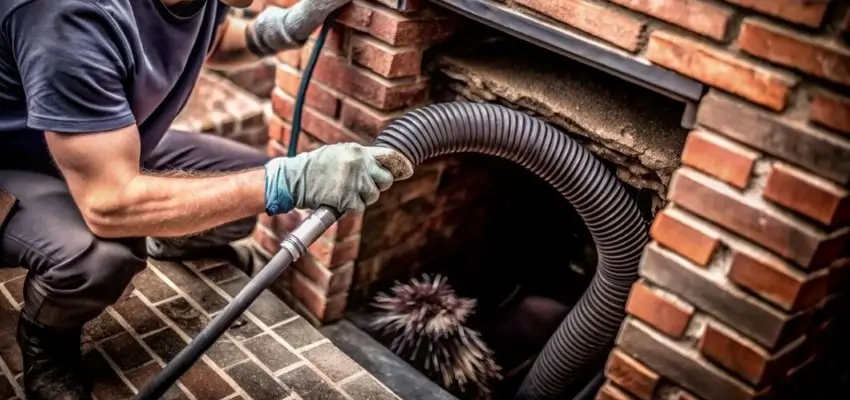
Less smoky smell, steadier flames: Chimney Cleaning around Chilliwack
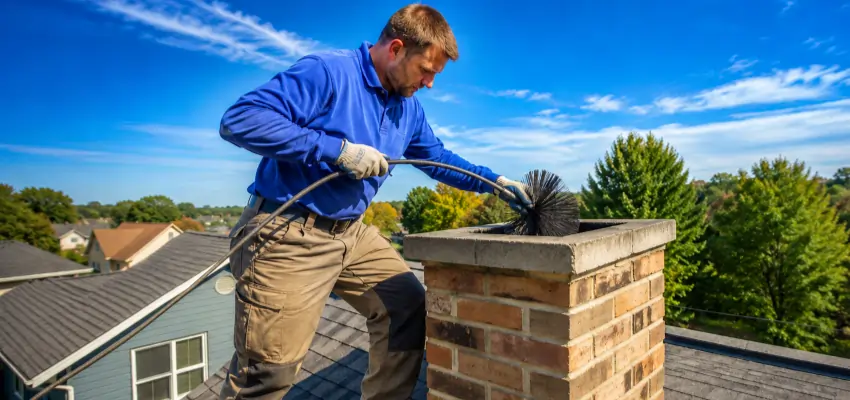
Chimney Sweep visits that leave Chilliwack living rooms clean
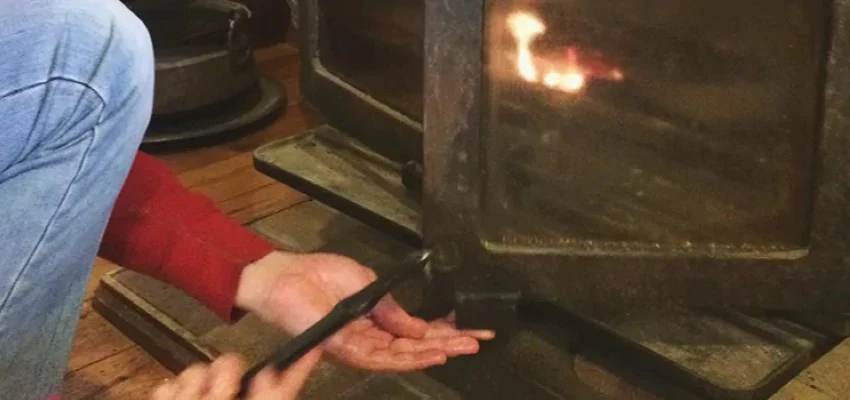
Swept and checked: Chimney Sweep Services in Chilliwack
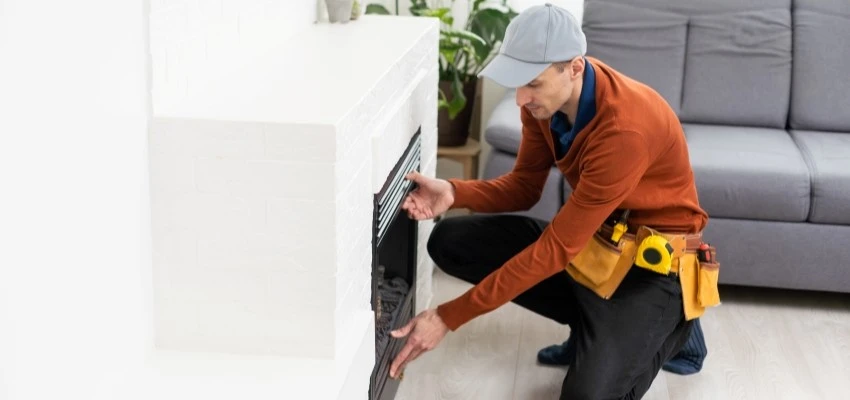
What Fireplace Experts check in your Chilliwack chimney
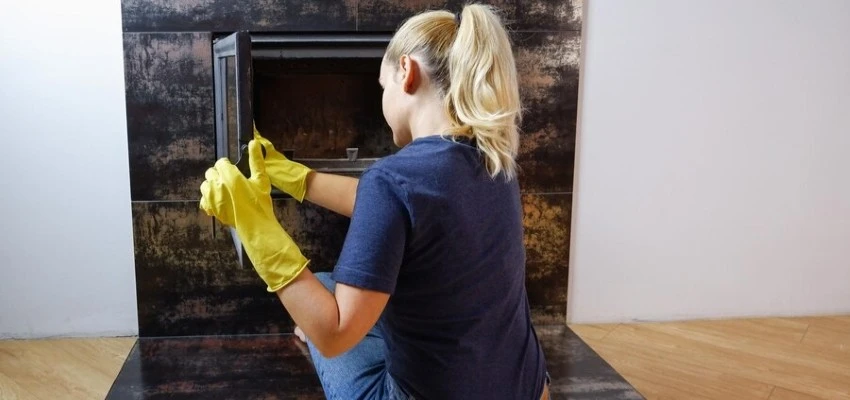
Hazy glass and dusty logs? Gas Fireplace Cleaning in Chilliwack
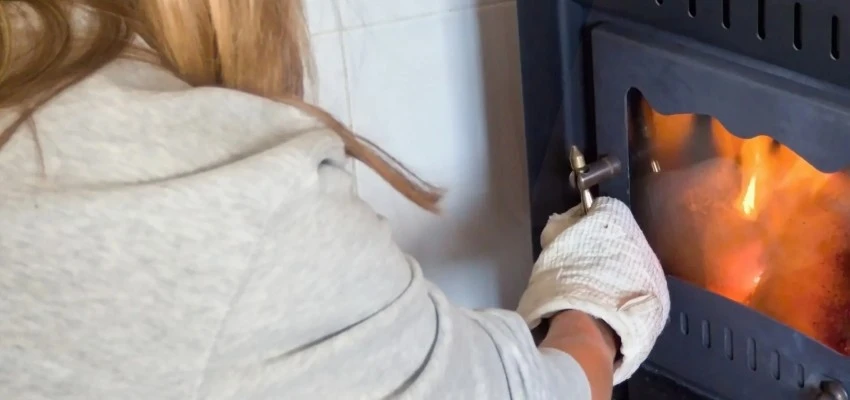
Catch a weak thermocouple early with Gas Fireplace Maintenance

