
A fireplace or stove is often the coziest heat source in a home, and also one of the least understood. Behind the glass and the decorative trim sit valves, sensors, gaskets and baffles that each wear out at their own pace. If “ortal fireplace repair” is the phrase that brought you here, what follows gives households around Chilliwack a practical overview of Ortal gas fireplace repair, from the first warning signs to the questions worth asking before any work begins.

Often, yes, especially when the body of the unit is sound and parts are still available. Worn gaskets, a tired thermocouple, a cracked firebrick or a noisy blower are routine repairs that can give an older fireplace many more seasons. Replacement deserves a conversation when the firebox is rusted through or cracked, when key parts such as the gas valve or ignition system are no longer made, or when the unit has been damaged by water or overheating. Ask the technician to explain both paths in plain terms, including how long each is likely to last, before you decide.
Corner, three-sided, see-through and island fireplaces have more glass, more seals and more ways for air to leak than a single-front unit. Ortal is a name many people connect with these open, architectural designs. During a repair, each glass panel may need to come off to reach the burner or clean the inside, and every gasket has to seat properly when it goes back so the sealed combustion chamber stays sealed. If your “ortal fireplace repair” search involves a unit with two or more glass sides, ask how the technician handles the glass and whether replacement gaskets will be on hand.
Fireplace glass gets hot enough to burn skin because it sits right in front of the flame, and on wide, frameless designs there is a lot of it within reach. Newer gas fireplaces usually come with a fine mesh barrier screen in front of the glass to reduce the risk of touching it. If your screen is missing or damaged, ask for a replacement made for your model rather than leaving the glass exposed, especially with children or pets at home. Glass that seems hotter than it used to, or a frame that discolors, is worth reporting during your next Ortal gas fireplace repair visit.
A rotten-egg smell, a strong smoky odor in the room, a bang or whoosh when the burner lights and a grinding blower are the ones to take seriously. If you smell gas, do not touch switches or the fireplace controls; leave the home and call your gas utility from outside. For a delayed, booming ignition or smoke that keeps escaping, stop using the unit and book a check. Some sounds and smells are normal, though: light ticking as metal heats and cools, and a paint or oil smell during the first fires after new parts are fitted. Working carbon monoxide alarms add an extra layer of protection.
The repairs we make most often follow the way each unit is used. Gas fireplaces that cycle on and off all winter wear out their ignition parts: thermocouples and thermopiles weaken, spark electrodes corrode and control modules eventually give up. Blower motors collect dust and start to rattle. Wood stoves take more physical punishment, so we replace door gaskets, firebricks and baffle boards that have cracked or sagged from heat. Glass gets attention on both types. None of this points to a bad brand; it is ordinary wear on equipment that works hard for months at a time.

For the parts that wear, generally yes. Manufacturers tend to support their common service parts long after a model leaves the showroom floor, and many older units share components with newer ones. The harder calls come with obsolete control modules, valves and trim. Our routine is to read the rating label, find the parts list for that exact model and look for the original or a substitute the manufacturer approves. We do not adapt gas parts from other units to make something work. If a key safety component simply no longer exists, we will tell you so rather than force a repair.
We work from the symptom backward. If a gas fireplace will not light, we watch what it does when you press the button or flip the switch: is there a spark, does the pilot form, does the main burner try? Each step narrows the problem to the ignition, the sensor, the valve or the supply. With a wood stove, the questions are about draft, sealing and wear, and the answers come from the gaskets, the baffle and how the fire behaves. Testing comes before replacing anything, so you are not paying for parts that were never the problem.
A common guideline is to have a fireplace or stove serviced once a year, ideally before the heating season. Gas units benefit from a yearly look at the burner, ignition, glass and venting, and many owner’s manuals suggest that interval. Wood stoves and inserts need their chimney or liner inspected yearly and swept as often as buildup requires, which depends on how much you burn and how dry your wood is. Heavy use, a unit that sat idle for a long time or any change in how it behaves are good reasons to book sooner rather than stretch the interval.
Specific symptoms help most, along with the label information and the age of the unit if you know it. “It will not turn on” could mean no spark, a pilot that lights and drops out or a burner that never follows; each points somewhere different. Tell us whether the fireplace runs on a remote, a wall switch or a thermostat, whether it has power to it and when it was last serviced. For wood stoves, mention how the fire behaves and what wood you burn. Short videos of the startup are surprisingly useful, since they let us hear and see the sequence.

Most problems with your fireplace start small and grow when they are left alone for a few seasons. If something on this page sounded familiar, have it checked while it is still minor. Call Chimney Sweep Chilliwack at (778) 608-3976 to arrange a visit in Chilliwack.
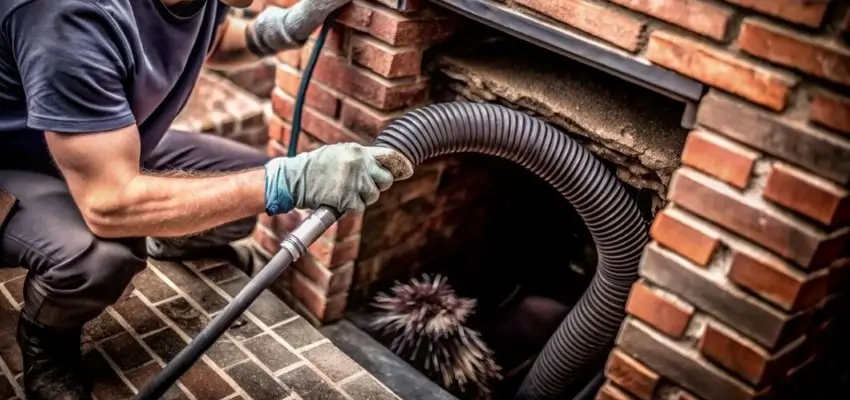
Less smoky smell, steadier flames: Chimney Cleaning around Chilliwack
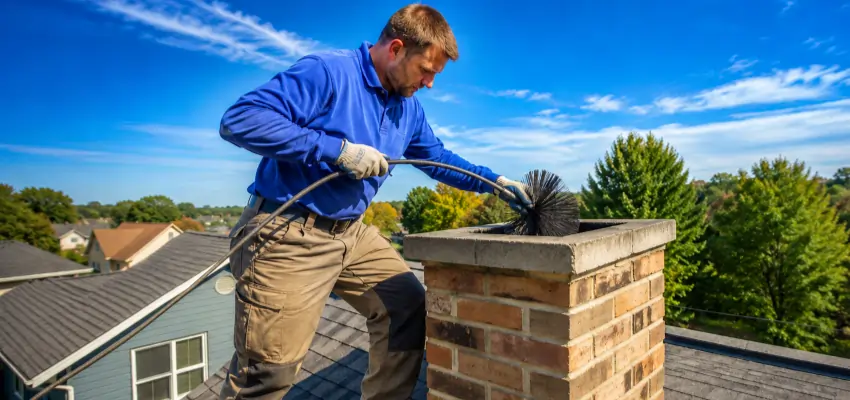
Chimney Sweep visits that leave Chilliwack living rooms clean
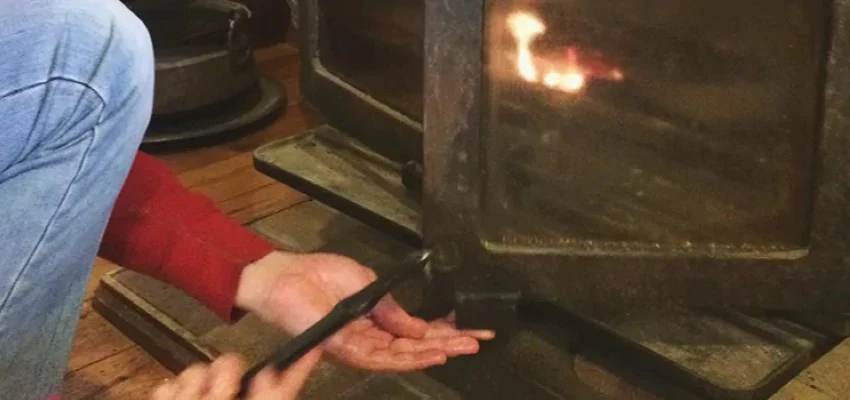
Swept and checked: Chimney Sweep Services in Chilliwack
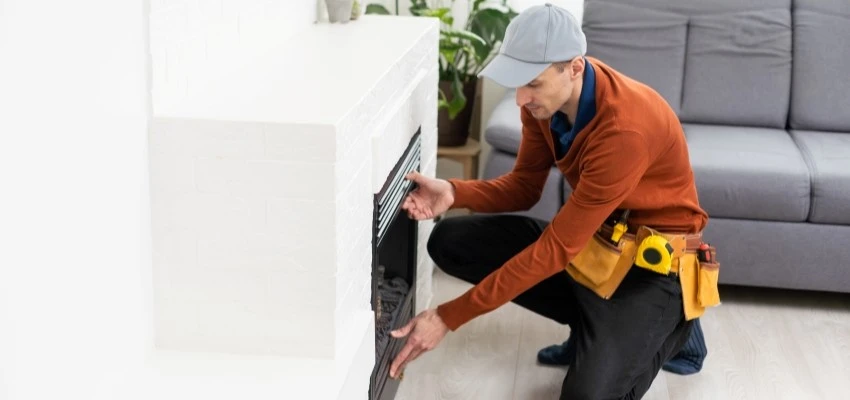
What Fireplace Experts check in your Chilliwack chimney
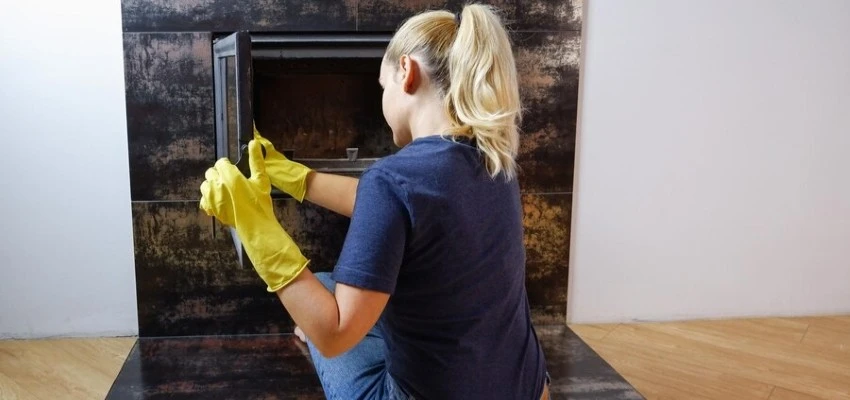
Hazy glass and dusty logs? Gas Fireplace Cleaning in Chilliwack
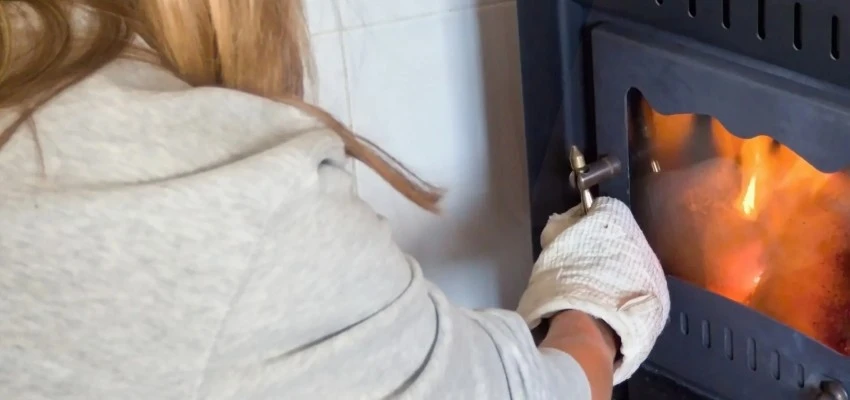
Catch a weak thermocouple early with Gas Fireplace Maintenance

